El Nino 2026: INCOIS warns of reduced fish catch in Bay of Bengal, Arabian Sea
Synopsis
India's premier ocean information agency has issued its first dedicated El Nino bulletin, warning that warming seas could shrink sardine and mackerel catches, bleach coral reefs, and drive coastal flooding on the east coast — with the worst marine stress expected between March and May 2027 as El Nino peaks this winter.
Key Takeaways
INCOIS released its first specialised El Nino bulletin on 23 June 2026 , warning of reduced fish catch in the Bay of Bengal and Arabian Sea .
The El Nino event is expected to peak between November 2026 and January 2027 , with above-normal sea surface temperatures persisting through April/May 2027 .
Marine thermal stress is forecast to be highest between March and May 2027 , risking increased coral bleaching , marine heat waves , and reduced catch of sardine and mackerel .
The east coast of India faces heightened risk of coastal erosion and flooding due to rough Bay of Bengal conditions during the monsoon.
The west coast and Arabian Sea are expected to see calmer conditions, potentially benefiting marine operations.
The next INCOIS El Nino bulletin is due in the second week of July 2026 .
The Indian National Centre for Ocean Information Services (INCOIS) has warned that the ongoing El Nino event could significantly reduce fish catch along India's coastlines, particularly in the Bay of Bengal and the Arabian Sea, according to the agency's first specialised El Nino bulletin released on Tuesday, 23 June 2026. The bulletin marks the beginning of a dedicated series aimed at alerting maritime sectors to the cascading effects of the developing climate phenomenon.
El Nino Peak and Ocean Temperature Outlook
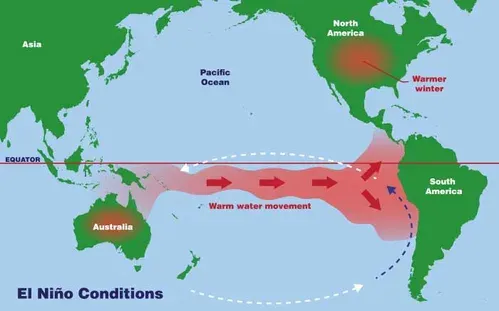
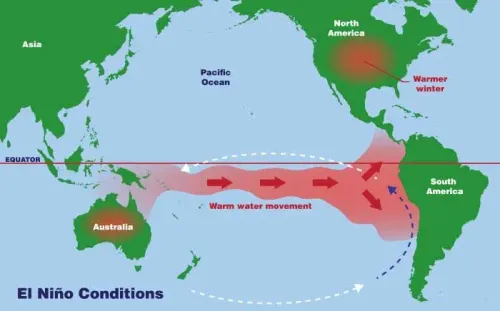
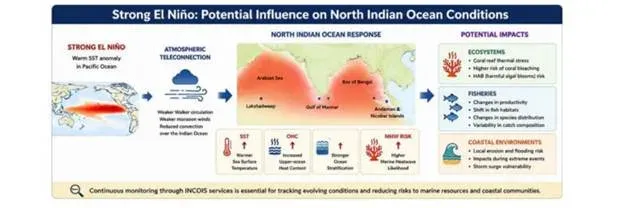
According to the bulletin, the El Nino event is still developing and is expected to peak during the winter season between November 2026 and January 2027. As a consequence, sea surface temperatures across the Indian Ocean are projected to remain above normal through April or May 2027, placing sustained thermal pressure on marine ecosystems in the northern Indian Ocean.
Impact on Marine Ecosystems and Fish Catch
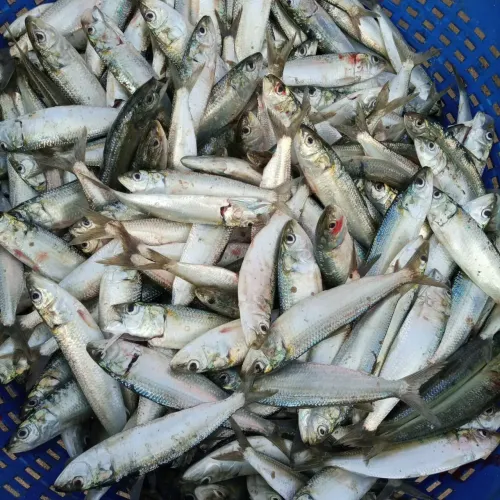
The bulletin warns that the marine ecosystem across both the Arabian Sea and the Bay of Bengal is likely to face significant thermal stress, particularly between March and May 2027. This elevated ocean heat is forecast to trigger increased coral reef bleaching, more frequent marine heat waves, and a notable reduction in catch volumes — especially for sardine and mackerel species.
The decline in catch is attributed to two key mechanisms: fish stocks migrating toward cooler, more suitable habitats, and a drop in fish recruitment — meaning fewer juvenile fish surviving to harvestable size. Additionally, INCOIS has flagged that fish may fail to reach commercially viable sizes due to altered marine environmental conditions driven by the developing El Nino.
Coastal Erosion and Sea State Warnings
The east coast faces a different set of risks. The bulletin states that sea conditions in the Bay of Bengal will remain rough through the monsoon season, raising the probability of increased coastal erosion and flooding along India's east coast. In contrast, the Arabian Sea and the west coast are expected to experience calmer-than-usual sea states, which could widen the operational window for marine sector activities and reduce coastal inundation risks on the west coast during the current monsoon season.
INCOIS Advisory and Next Steps
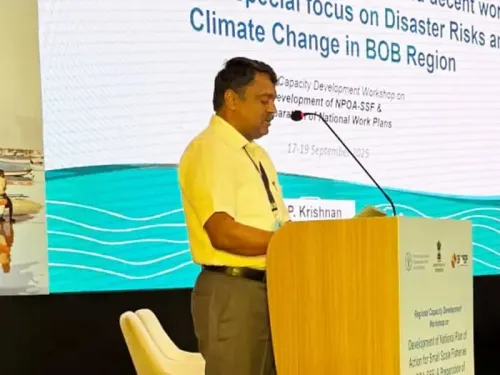
The first specialised bulletin was formally released by Konda Vishweshwar Reddy, Bharatiya Janata Party (BJP) Member of Parliament from Chevella, Telangana. INCOIS has advised all maritime operators to closely monitor its ongoing alerts, warnings, and advisories. The next specialised El Nino bulletin is scheduled for release in the second week of July 2026.
This bulletin series represents a proactive step in translating large-scale climate signals into sector-specific guidance — a critical need for India's fishing communities, coastal administrators, and maritime operators who remain directly exposed to El Nino's downstream effects.
Point of View
Sector-specific risk — something Indian maritime advisories have historically struggled to do in a timely manner. The warning about sardine and mackerel stocks is particularly significant: these are among the most commercially fished species along India's west coast, and any sustained decline will hit small-scale fisherfolk hardest, with little cushion from insurance or government support schemes. The east coast flooding risk, layered on top of an already active monsoon, compounds vulnerability for communities that are still recovering from recent cyclone damage. The real test will be whether this bulletin series translates into actionable preparedness at the district and panchayat level — or remains a technical document consumed only by maritime agencies.
NationPress
22 Sept 2026
Frequently Asked Questions
What is the INCOIS El Nino bulletin and what does it warn about?
The INCOIS El Nino bulletin is a specialised advisory series released by the Indian National Centre for Ocean Information Services to alert maritime sectors about the impacts of the ongoing El Nino event. The first bulletin, released on 23 June 2026, warns of reduced fish catch, coral bleaching, marine heat waves, and coastal erosion risks along India's coastlines.
How will El Nino affect fish catch in India?
El Nino is expected to cause thermal stress in the Arabian Sea and Bay of Bengal, particularly between March and May 2027, leading to a reduction in catch of sardine and mackerel species. Fish stocks may migrate to cooler habitats or fail to reach commercially viable sizes due to changes in marine environmental conditions.
When will El Nino peak and how long will its effects last?
The El Nino event is expected to peak during the winter season between November 2026 and January 2027. Sea surface temperatures in the Indian Ocean are forecast to remain above normal through April or May 2027.
Which parts of India's coast face the greatest risk from El Nino?
The east coast of India, particularly areas bordering the Bay of Bengal, faces heightened risk of coastal erosion and flooding due to rough sea conditions during the monsoon season. The west coast is expected to see calmer conditions, reducing inundation risks there.
When will the next INCOIS El Nino bulletin be released?
The next specialised El Nino bulletin from INCOIS is scheduled to be released in the second week of July 2026, continuing the agency's effort to provide regular maritime sector guidance on the evolving climate event.