South Africa faces hottest year on record in 2027 as El Nino intensifies

Synopsis
South Africa's weather authority is sounding its loudest climate alarm in years: the incoming El Nino could push sea surface anomalies past 3 degrees Celsius — potentially the strongest event in living memory — and, combined with global warming, make 2027 the hottest year South Africa has ever recorded.
Key Takeaways
The South African Weather Service (SAWS) warns that 2027 could be South Africa's hottest year on record.
The current El Nino may intensify to a sea surface temperature anomaly exceeding 3 degrees Celsius , surpassing the threshold for a very strong event.
SAWS forecasts below-normal rainfall and above-normal temperatures from October 2026 through January 2027 .
The 2015/16 El Nino brought unprecedented heatwaves to southern Africa; SAWS warns the current event could be worse.
Risks being closely monitored include heatwaves and water scarcity across the southern African region.
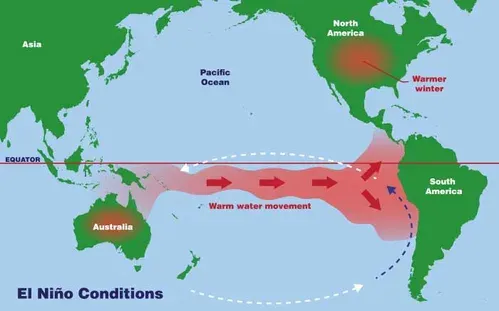
The South African Weather Service (SAWS) has warned that South Africa could experience its hottest year on record in 2027, driven by an intensifying El Nino event that forecasters say may become the strongest in living memory. The alert, issued by SAWS, comes as sea surface temperature anomalies in the eastern central tropical Pacific Ocean have already breached the threshold for a very strong El Nino.
How Severe Is This El Nino
A strong El Nino is defined as sea surface temperatures more than 1.5 degrees Celsius above normal, while a very strong event exceeds 2 degrees. According to SAWS, current forecasts indicate the anomaly could surpass 3 degrees Celsius — a level that would make this event exceptional by any historical measure. The weather service noted that the El Nino formed in the Pacific Ocean and is likely to intensify further during the Southern Hemisphere spring.
What SAWS Is Forecasting
SAWS's outlook for October to December 2026 points to below-normal rainfall and above-normal temperatures across most of South Africa, with similar conditions expected to persist from November 2026 to January 2027. The agency warned that the combination of a very strong El Nino and ongoing global warming makes it likely that 2027 will be the warmest year ever recorded for the country.
'Most El Nino events bring conditions of below-normal rainfall and above-normal temperatures to the southern African region,' SAWS said, while cautioning that not every El Nino event results in drought.
Lessons From the 2015/16 El Nino
SAWS drew a direct comparison with the 2015/16 El Nino, which brought unprecedented heatwaves to southern Africa. The agency warned that if the anticipated below-normal rainfall materialises, a high frequency of potentially severe heatwaves could accompany the current event — conditions that would place significant stress on agriculture, water infrastructure, and public health across the region.
Risks Being Monitored
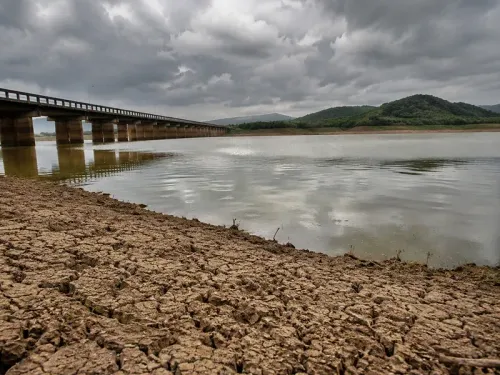
The weather service acknowledged that uncertainty remains over the eventual strength and precise regional impacts of the El Nino. SAWS said it would closely monitor risks including heatwaves and water scarcity as the season progresses. With South Africa already contending with structural water supply challenges in several provinces, a prolonged dry spell could compound existing vulnerabilities significantly.
Point of View
But El Nino layered on top of a decade of accelerating global warming. South Africa's water infrastructure, already under strain in provinces like the Western Cape and KwaZulu-Natal, is poorly positioned to absorb another 2015/16-scale shock, let alone a stronger one. The uncertainty SAWS flags is real, but the direction of risk is unambiguous — and the window for preparedness is narrowing.
NationPress
17 Oct 2026
Frequently Asked Questions
Why is South Africa at risk of its hottest year on record in 2027?
The South African Weather Service (SAWS) says a very strong El Nino, with sea surface temperature anomalies potentially exceeding 3 degrees Celsius, combined with global warming, is likely to make 2027 the warmest year South Africa has ever recorded. El Nino events typically bring below-normal rainfall and above-normal temperatures to the southern African region.
How strong is the current El Nino compared to past events?
SAWS describes the developing El Nino as potentially the strongest in living memory. A very strong El Nino is defined by sea surface anomalies above 2 degrees Celsius; current forecasts suggest this event could exceed 3 degrees Celsius, which would be exceptional by historical standards.
What does SAWS forecast for South Africa's rainfall and temperatures?
SAWS forecasts below-normal rainfall and above-normal temperatures across most of South Africa from October to December 2026, with similar conditions expected to continue from November 2026 to January 2027.
What happened during the 2015/16 El Nino in southern Africa?
The 2015/16 El Nino brought unprecedented heatwaves to southern Africa. SAWS has cited it as a reference point, warning that if below-normal rainfall accompanies the current event, a high frequency of potentially severe heatwaves could follow.
What risks is SAWS monitoring as the El Nino intensifies?
SAWS is closely monitoring the risks of heatwaves and water scarcity across the southern African region. The agency cautioned that uncertainty remains over the final strength and regional impacts of the El Nino, and that not every El Nino event results in drought.