CM Yogi, Rajnath Singh Review Gomti Flood Plan in Lucknow
Synopsis
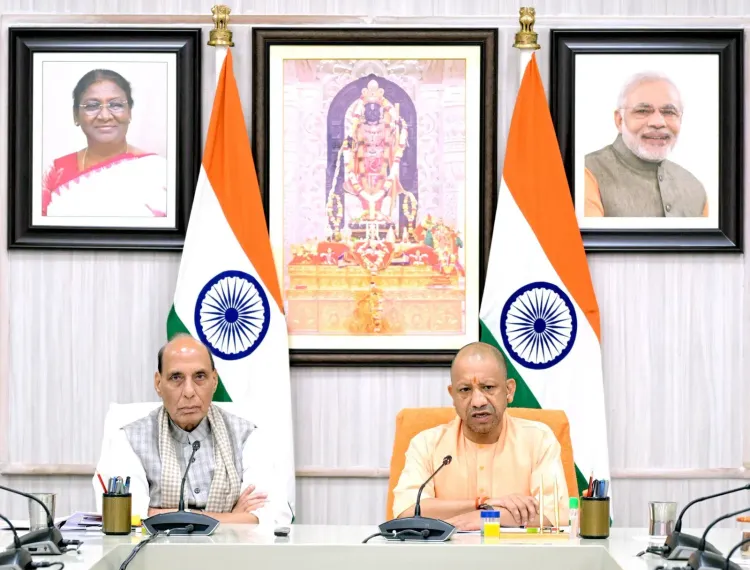
Chief Minister Yogi Adityanath and Defence Minister Rajnath Singh reviewed Lucknow's chronic Gomti waterlogging problem on 17 October 2026, approving a 5.5 km embankment, 12 new pumping stations, and an expanded drainage network from Nyay Vihar to Eldeco Drain.
Key Takeaways
CM Yogi Adityanath and Union Defence Minister Rajnath Singh held a joint review meeting in Lucknow on 17 October 2026 on Gomti River waterlogging.
A 5.5-kilometre embankment will be built along the Gomti's left bank from IIM Road to Pakka Pul (Harding Bridge) .
12 new pumping stations will be installed to ensure drainage even when the Gomti's water level rises and blocks natural outflow.
An expanded drainage network from Nyay Vihar to Eldeco Drain is planned to address internal urban flooding.
Immediate relief delivery to flood-affected families in low-lying areas including Faizullaganj was also reviewed.
The meeting reflects active central-state coordination , with Rajnath Singh holding both the Defence portfolio and the Lucknow parliamentary seat.
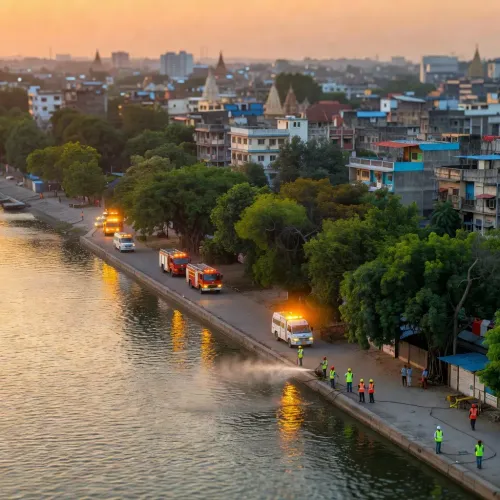
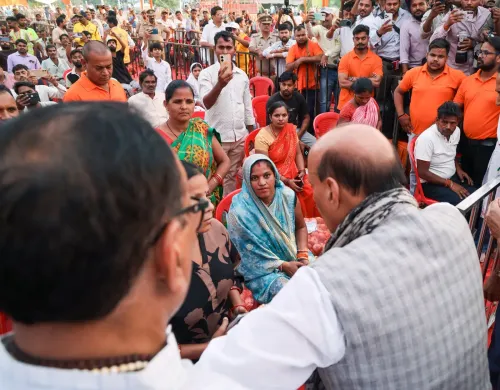
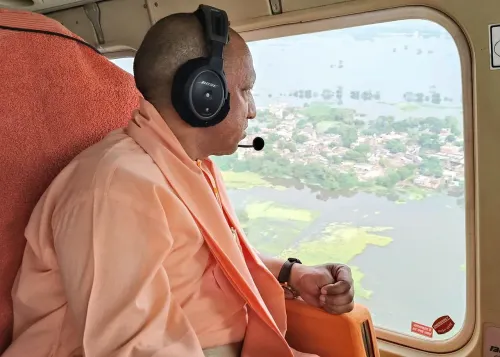
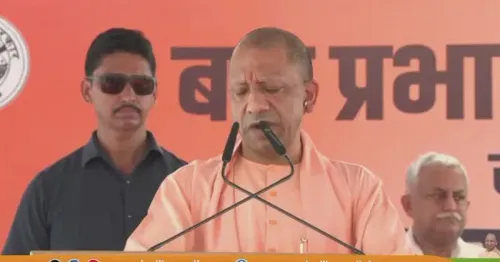
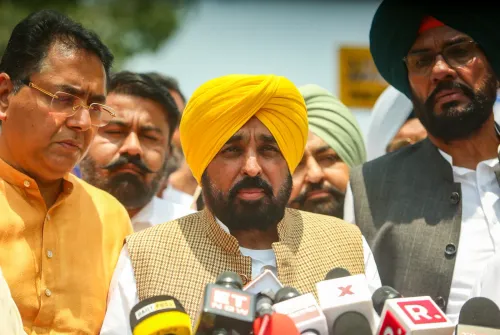
Every monsoon, the low-lying lanes of Faizullaganj and the Gomti riverbank neighbourhoods of Lucknow go under — and this year, the state decided to stop reacting and start building. On Saturday, 17 October 2026, Chief Minister Yogi Adityanath and Union Defence Minister Rajnath Singh sat down in Lucknow to review the waterlogging crisis gripping low-lying areas along the Gomti River, the relief being delivered to affected families, and a package of proposed infrastructure projects designed to prevent a repeat.
A 5.5 km Embankment from IIM Road to Harding Bridge
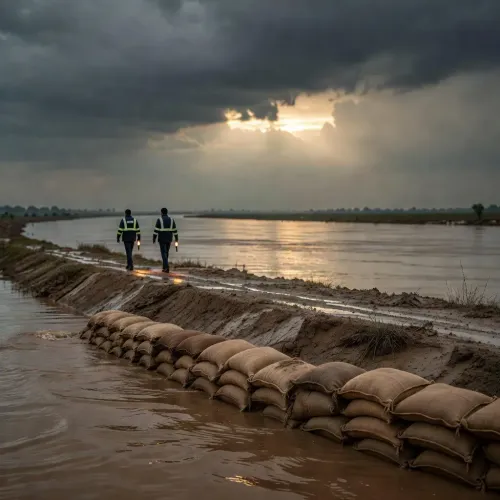
The centrepiece decision from the meeting is a 5.5-kilometre embankment to be constructed along the left bank of the Gomti, running from IIM Road to Pakka Pul (Harding Bridge). The embankment is intended to act as a physical barrier, preventing the river from spilling into the dense residential and commercial zones that line its lower reaches when water levels surge during heavy rainfall.
The Gomti has long been Lucknow's double-edged companion — a cultural artery and a seasonal menace. Embankment work along its banks has been attempted in phases over the years, but urban expansion has consistently outpaced protective infrastructure, leaving newer colonies exposed.
12 New Pumping Stations and a Drainage Grid from Nyay Vihar to Eldeco Drain
A second, equally critical problem is what happens inside the city when the Gomti rises: stormwater drains that normally empty into the river get backlogged, turning streets into canals. The meeting resolved to install 12 new pumping stations specifically to force drainage outflow even when the river's own level makes gravity-fed discharge impossible.
Alongside the pumping stations, authorities will develop an expanded drainage network stretching from Nyay Vihar to Eldeco Drain — a corridor that covers some of Lucknow's most flood-prone urban pockets. Together, the two measures are designed to tackle both the river's aggression and the city's internal drainage failure simultaneously.
Central-State Coordination With Rajnath Singh's Lucknow Seat in Focus
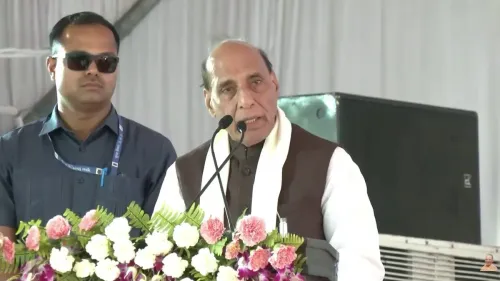
The presence of Rajnath Singh — Defence Minister and the sitting MP from Lucknow — adds political and administrative weight to the review. When a Union Cabinet minister holds the local parliamentary constituency, central-state coordination on urban infrastructure tends to move faster; project clearances, funding channels, and inter-departmental sign-offs face fewer bottlenecks. The meeting is a textbook example of that dynamic in action.
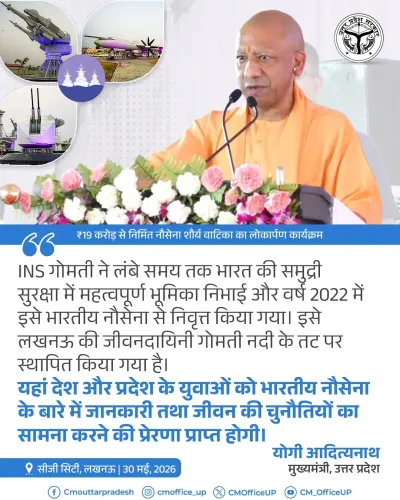
The immediate priority, the post makes clear, is getting relief to families already affected by the current waterlogging. The longer-term infrastructure — embankment, pumping stations, drainage grid — is framed as the structural answer to what has been a cyclical crisis.
The real test now is the calendar: whether tendering, land clearance, and construction on the 5.5 km embankment and 12 pumping stations can be completed before the next monsoon arrives and Faizullaganj goes under again.
Point of View
If executed on schedule, would represent the most substantial structural intervention along the Gomti in recent memory — but UP's infrastructure projects have historically struggled with pre-monsoon deadlines. Rajnath Singh's direct involvement as the local MP is a significant accelerant; his presence at the table compresses the usual bureaucratic lag between state proposal and central facilitation. The broader pattern here — reactive crisis reviews yielding ambitious infrastructure announcements — will only translate into lasting political credit if the construction calendar holds.
NationPress
17 Oct 2026
Frequently Asked Questions
Why is Lucknow's Faizullaganj area prone to waterlogging?
Faizullaganj lies in a low-lying zone along the Gomti River. When the river's water level rises during monsoon, stormwater drains cannot discharge into it by gravity, causing severe backlogging and flooding in the neighbourhood.
What infrastructure was approved at the CM Yogi-Rajnath Singh meeting in Lucknow?
The meeting approved a 5.5 km embankment along the Gomti's left bank from IIM Road to Pakka Pul (Harding Bridge), 12 new pumping stations, and an expanded drainage network from Nyay Vihar to Eldeco Drain.
Why was Rajnath Singh part of a Lucknow flood review meeting?
Rajnath Singh is both the Union Defence Minister and the Member of Parliament from Lucknow, making him a key stakeholder in coordinating central support for city-level infrastructure projects.
What will the 12 new pumping stations in Lucknow do?
The 12 pumping stations will forcibly push stormwater out of city drains even when the Gomti's high water level prevents natural gravity-fed drainage, preventing streets from flooding during heavy rainfall.
How long will the Gomti embankment in Lucknow be?
The proposed embankment will be approximately 5.5 kilometres long, running along the left bank of the Gomti from IIM Road to Pakka Pul, also known as Harding Bridge.