CM Yogi Reviews UP Flood Preparedness, Orders ASV Stock Check
Synopsis
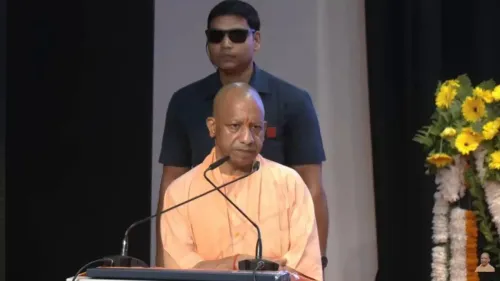
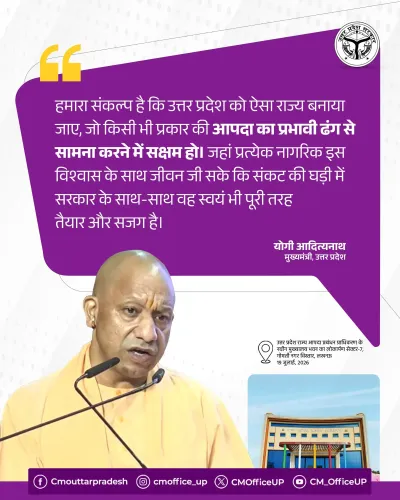
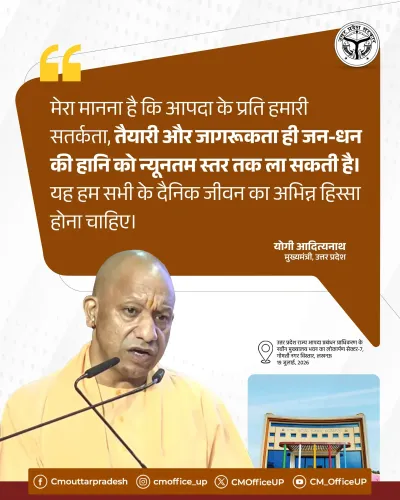
Chief Minister Yogi Adityanath on 22 July 2026 reviewed flood preparedness in Uttar Pradesh, directing officials to maintain embankment patrols, activate flood posts, keep relief centres operational, repair damaged roads, and stock district hospitals with anti-snake venom and anti-rabies vaccines ahead of peak monsoon.
Key Takeaways
CM Yogi Adityanath chaired a flood-preparedness review on 22 July 2026 and issued operational directives to state departments.
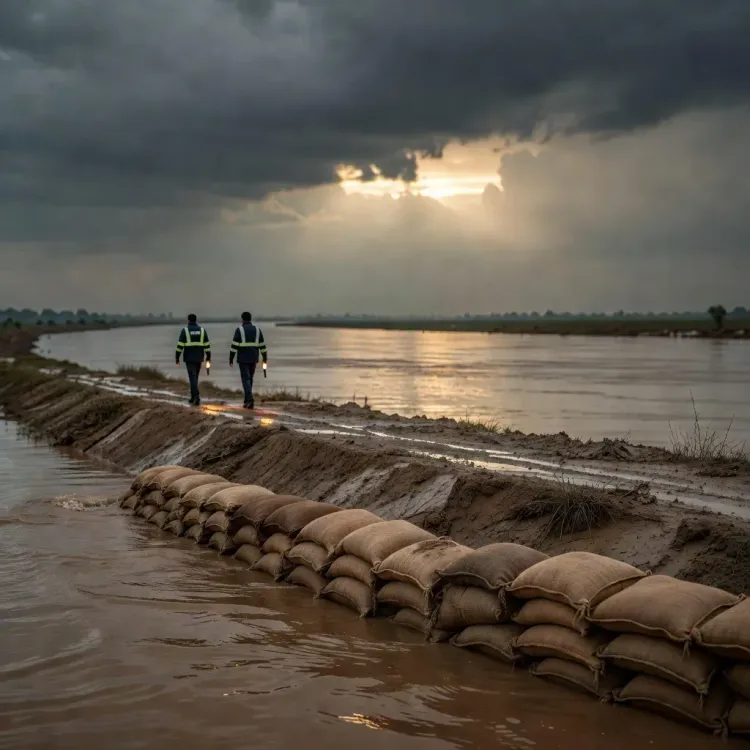
Officials were ordered to conduct regular embankment patrolling and keep flood watch-posts fully active throughout the monsoon season.
All relief centres must maintain complete necessary arrangements; no road in flood-affected areas should be left damaged.
Special disease-prevention vigilance was mandated for flood-prone villages to contain water-borne and vector-borne illness outbreaks.
District hospitals and all health centres were directed to stock adequate quantities of anti-snake venom (ASV) and anti-rabies vaccine .
Uttar Pradesh is intersected by the Ganga, Yamuna, Ghaghara and Rapti river systems, making annual flood management a critical governance priority for the state.
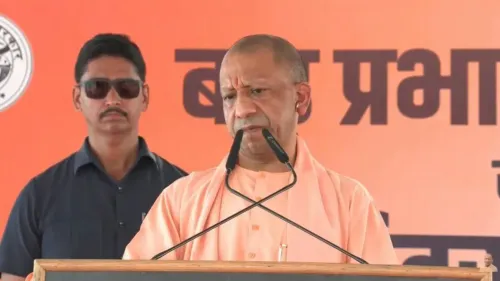
Chief Minister Yogi Adityanath on Wednesday, 22 July 2026 directed officials across Uttar Pradesh to ensure round-the-clock embankment patrolling, activate flood posts, and keep all relief centres fully operational as the monsoon season intensifies across the state's river basins.
What the Chief Minister Ordered
The Chief Minister's Office of Uttar Pradesh announced that CM Yogi chaired a review of flood-prevention preparedness and issued a set of specific operational directives. He instructed that tटबंधों की नियमित पेट्रोलिंग ('regular patrolling of embankments') and the activation of बाढ़ चौकियां ('flood watch-posts') be maintained without interruption, and that all necessary arrangements at relief centres remain in place.
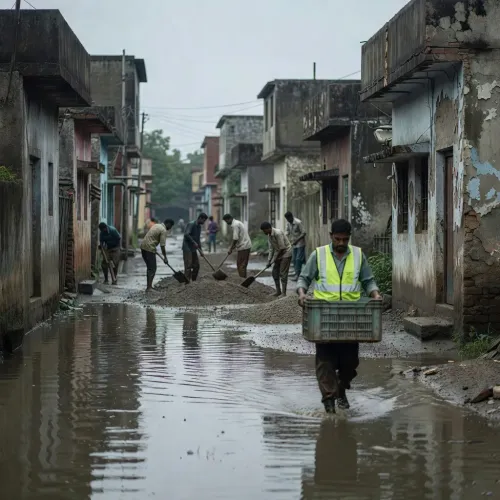
The Chief Minister further directed that no road be left damaged and that special vigilance be exercised in flood-prone villages to prevent the outbreak of water-borne and vector-borne diseases — a recurring concern during high-rainfall months in the Indo-Gangetic plains.
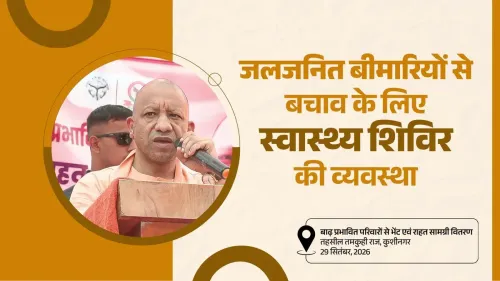
On the health front, CM Yogi specifically ordered that district hospitals and all subordinate health centres maintain adequate stocks of anti-snake venom (ASV) and anti-rabies vaccine — medicines that see sharp demand spikes when rising floodwaters displace wildlife and stray animals into human settlements.
Context
Uttar Pradesh is India's most populous state and is intersected by major river systems including the Ganga, Yamuna, Ghaghara and Rapti, which together inundate dozens of districts every monsoon season. Flood management is therefore a high-stakes annual exercise for the state administration, with embankment integrity and medical supply chains forming the first line of defence for millions of rural residents.
Displacement of snakes and rabies-carrying animals during floods is a well-documented public-health hazard in the region, making the Chief Minister's explicit mention of ASV and anti-rabies vaccines a targeted, operationally specific directive rather than a routine instruction.
Policy Backdrop
Since 2017, the Yogi Adityanath government has institutionalised annual pre-monsoon coordination reviews that bring together the irrigation, health, public works and revenue departments to align embankment patrolling schedules, flood-post staffing and district-level medical stocks. These meetings are designed to prevent the coordination gaps that historically led to delayed relief deployment in the state's most flood-vulnerable belts.
Successive Uttar Pradesh administrations have linked flood-control measures to broader infrastructure programmes covering road repair and river-training works, recognising that damaged roads delay evacuation and relief distribution in the critical first 48 hours of a flood event.
Stakeholders and Impact
The directives directly affect residents of flood-prone villages across the state's river-basin districts, as well as the irrigation department personnel responsible for embankment patrols and the staff of district hospitals and primary health centres who must now ensure vaccine stocks are verified and replenished. Relief-centre logistics teams are also on notice to maintain full operational readiness.
For vulnerable communities — particularly agricultural households in low-lying areas — the assurance of functional flood posts, passable roads and accessible healthcare can be the difference between manageable disruption and a full humanitarian emergency.
What's Next
State budget allocations for 2026-27 flood-control works and any post-monsoon damage assessments from the irrigation and health departments will indicate how effectively these preparedness directives translated into on-ground outcomes. Compliance reports from district magistrates and chief medical officers are expected to feed back into the Chief Minister's Office as the monsoon season progresses.
Point of View
Supply-chain-level accountability. This fits a broader pattern in the Yogi administration of using high-visibility review meetings to push compliance down to the district level, where implementation gaps have historically been widest. The road-repair mandate is also politically significant: damaged rural roads are a visible grievance that opposition parties have repeatedly weaponised in flood-season narratives. By pre-empting these failures publicly, the Chief Minister's Office is simultaneously managing governance and political optics ahead of what forecasters expect to be a heavy monsoon year.
NationPress
21 Oct 2026
Frequently Asked Questions
What instructions did CM Yogi give for UP flood preparedness in July 2026?
CM Yogi Adityanath directed officials to ensure regular embankment patrolling, activate flood watch-posts, keep relief centres fully operational, prevent road damage in flood-affected areas, and maintain adequate stocks of anti-snake venom and anti-rabies vaccines at all district hospitals and health centres.
Why did CM Yogi order anti-snake venom and anti-rabies vaccines during floods?
Rising floodwaters displace snakes and stray animals into human settlements, sharply increasing the risk of snakebites and animal bites. Stocking anti-snake venom and anti-rabies vaccines at district hospitals is a standard monsoon-season health precaution in flood-prone states like Uttar Pradesh.
Which rivers cause flooding in Uttar Pradesh?
Uttar Pradesh is intersected by major river systems including the Ganga, Yamuna, Ghaghara and Rapti, which together cause annual flooding across dozens of districts in the state's Indo-Gangetic plains.
Does the UP government hold annual flood-preparedness reviews?
Yes. Since 2017, the Yogi Adityanath government has conducted annual pre-monsoon coordination meetings to align embankment patrolling, flood-post staffing and district-level medical and relief stocks across state departments.
What is the role of flood posts in Uttar Pradesh's disaster management?
Flood watch-posts, or 'baadh chaukiyan', are manned observation points set up along embankments and river banks to monitor water levels, alert downstream communities and coordinate early evacuation and relief efforts during the monsoon season.