Yogi Adityanath orders flood and drought relief in UP, 42 villages hit
Synopsis
Uttar Pradesh is fighting on two fronts at once — floods in some districts, drought in others. CM Yogi Adityanath has put the administration on a three-day deadline, with 1,694 shelters, 549 medical teams, and 910 animal shelters already in place. The scale of preparedness signals the state is bracing for the monsoon to get worse before it gets better.
Key Takeaways
CM Yogi Adityanath chaired a high-level review meeting on 20 July to address simultaneous flood and drought conditions across Uttar Pradesh .
42 villages across four districts are currently flood-affected, with 332 people impacted.
State has deployed 1,412 flood outposts , 549 medical teams , 55 boats , and 1,096 shelters .
1,694 shelters are ready across 44 flood-sensitive districts , with capacity for over 5 lakh people and 910 animal shelters operational.
Relief Commissioner's control room placed on 24-hour watch with hourly updates to the Chief Minister's office.
Housing support under Mukhyamantri Awas Yojana ordered for families affected by fire accidents.
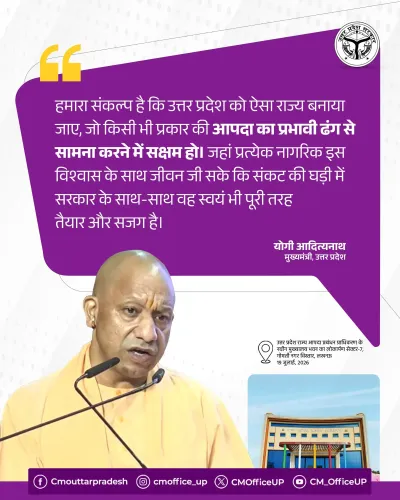
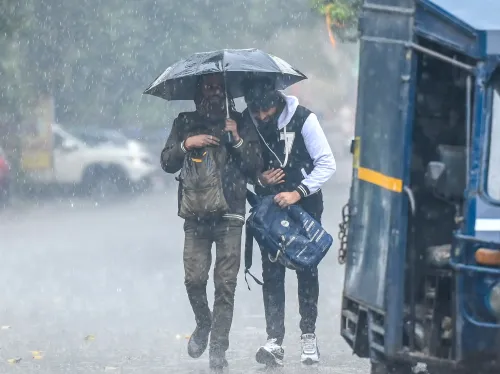
Uttar Pradesh Chief Minister Yogi Adityanath on 20 July directed state officials to ensure the safety and welfare of every citizen as Uttar Pradesh grapples with a dual crisis — flooding in some districts and drought-like conditions in others — triggered by erratic monsoon rainfall. The directive came during a high-level review meeting chaired by the Chief Minister in Lucknow.
Key Directives from the Chief Minister
CM Yogi placed protecting farmers and their livelihoods at the centre of the government's response. In districts recording below-normal rainfall, he ordered maximum utilisation of canals, reservoirs, and government tube wells, with real-time monitoring of sowing and irrigation progress. The agriculture and irrigation departments were mandated to prepare joint action plans to deliver immediate relief wherever crop sowing is under threat.
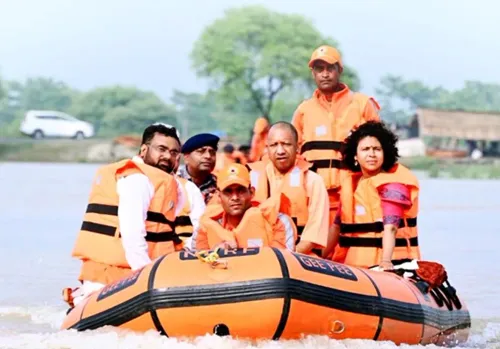
For flood-prone districts, Yogi set a three-day deadline to ensure relief camps are fully operational, stocked with fresh food, clean drinking water, medical facilities, and sanitation infrastructure. He specifically emphasised milk supplies for children and dedicated care for women, elderly persons, persons with disabilities, and pregnant women. Larger boats are to be arranged where required, and trained Aapda Mitras are to be deployed extensively across vulnerable zones.
Ground-Level Response and Infrastructure
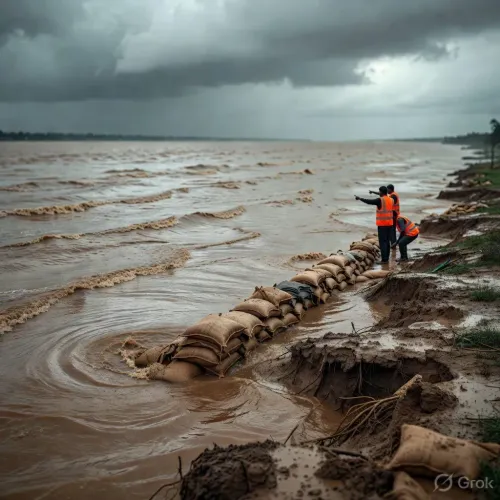
Officials briefed the Chief Minister that 42 villages across four districts are currently flood-affected, with 332 people impacted. The state has deployed 1,412 flood outposts, 549 medical teams, 55 boats, and 1,096 shelters to support ongoing relief operations.
Preparedness measures have been completed across 44 flood-sensitive districts, with 1,694 shelters ready to accommodate over 5 lakh people. An additional 910 animal shelters have been set up, and the Chief Minister directed timely relocation and vaccination of livestock to prevent the spread of seasonal diseases.
Monitoring and Accountability Measures
The Relief Commissioner's office control room has been placed on 24-hour operational footing, with hourly situation updates mandated to the Chief Minister's office, the DGP office, and relief agencies. District-level dashboards will track developments in real time. District magistrates have been personally tasked with monitoring relief operations on the ground.
Embankments are to be patrolled continuously, with the Chief Minister directing vigilance against both natural erosion and possible sabotage by anti-social elements — a notable escalation in the state's flood-security framing.
Additional Relief Measures
CM Yogi also ordered immediate housing assistance under the Mukhyamantri Awas Yojana for poor families displaced by fire accidents, and directed urban local bodies to cover open manholes to prevent mishaps during the monsoon season. River channelisation work is to continue to strengthen long-term flood management and reduce risks of erosion and waterlogging.
With the monsoon season far from over, the state's ability to sustain this dual-front response — managing both water surplus and water deficit simultaneously — will be closely watched in the weeks ahead.
Point of View
And the administration's response architecture is beginning to reflect that. What stands out in Yogi's directives is the explicit mention of sabotage of embankments, which introduces a law-and-order dimension into what is otherwise a disaster management exercise. Whether that framing is operationally warranted or politically motivated deserves scrutiny. More substantively, the three-day deadline for relief camp readiness is tight — and with 44 flood-sensitive districts to cover, execution will depend entirely on district magistrates, whose accountability has now been made explicit. The real test will come when the monsoon peaks.
NationPress
20 Oct 2026
Frequently Asked Questions
Which districts in Uttar Pradesh are currently flood-affected?
As of 20 July, 42 villages across four districts in Uttar Pradesh are flood-affected, with 332 people impacted. The specific district names were not disclosed in the official briefing.
What relief infrastructure has Uttar Pradesh deployed for floods?
The state has deployed 1,412 flood outposts, 549 medical teams, 55 boats, and 1,096 shelters for active relief operations. Additionally, 1,694 shelters capable of housing over 5 lakh people are ready across 44 flood-sensitive districts, along with 910 animal shelters.
What is the Mukhyamantri Awas Yojana and why was it invoked?
The Mukhyamantri Awas Yojana is a state housing scheme for economically weaker sections. CM Yogi directed officials to extend immediate housing support under the scheme to poor families displaced by fire accidents during the current monsoon period.
What are Aapda Mitras and what role will they play?
Aapda Mitras are trained community disaster response volunteers. CM Yogi ordered their extensive deployment across flood-prone zones to assist in rescue, relief, and community outreach operations.
How is the government monitoring the flood and drought situation in real time?
The Relief Commissioner's office control room is operating round the clock, with hourly updates being sent to the Chief Minister's office, the DGP office, and relief agencies. District-level dashboards are also tracking the evolving situation across vulnerable areas.