CM Bhajanlal Sharma joins Ram Katha and Mahayagya in Kelawa Khurd
Synopsis
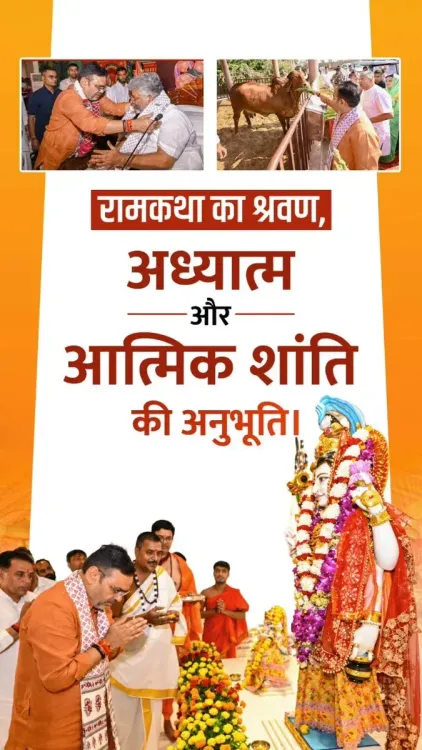
Rajasthan Chief Minister Bhajanlal Sharma attended a Ram Katha and nine-fire Mahayagya at Kelawa Khurd village during Sharadiya Navratri on October 17, 2026, performing Shivling jalabhishek, honouring saint Murlidhar Ji Maharaj, and feeding cows at the gaushala.
Key Takeaways
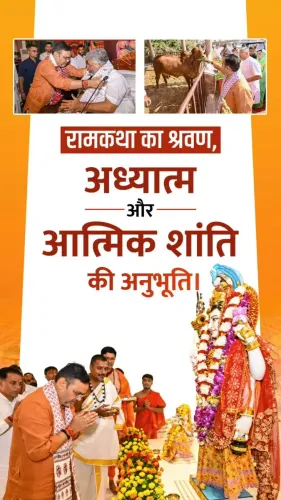
CM Bhajanlal Sharma attended the Divy Ramkatha and Navkundiya Mahayagya at Kelawa Khurd village in the Bawadi area on October 17, 2026 .
The event was organised by the Keshav Priya Gaushala Seva Samiti on the occasion of Sharadiya Navratri .
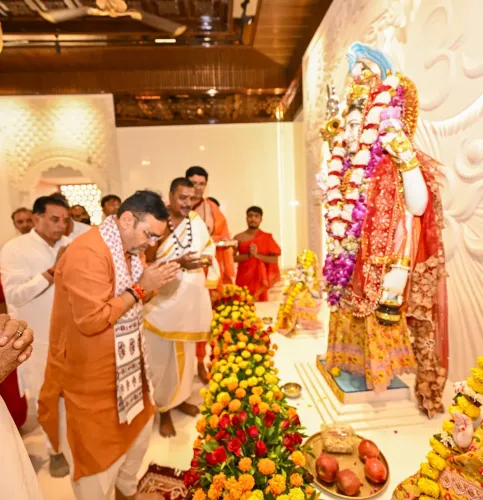
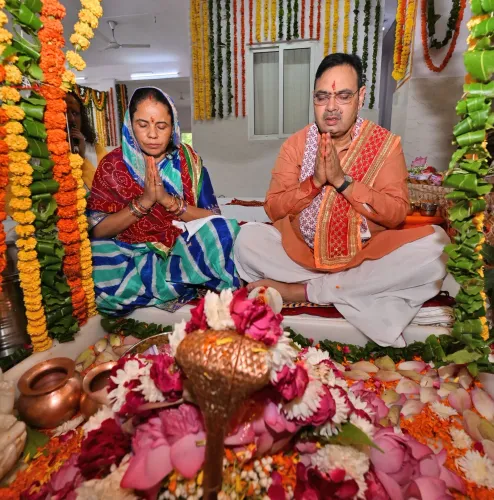
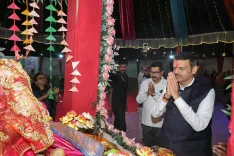
The Chief Minister performed jalabhishek of the Shivling and offered ahuti (oblations) into the nine sacred fires of the Mahayagya.
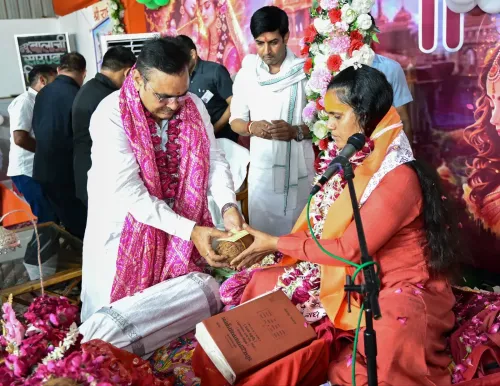
He personally honoured renowned Katha-vachak saint Shri Murlidhar Ji Maharaj and listened to the Ram Katha recitation.
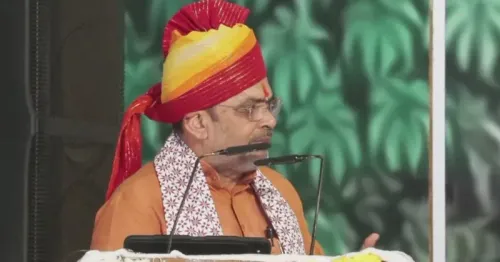
CM Sharma addressed the gathering and fed fodder to cows at the gaushala, underscoring state support for cow shelters.
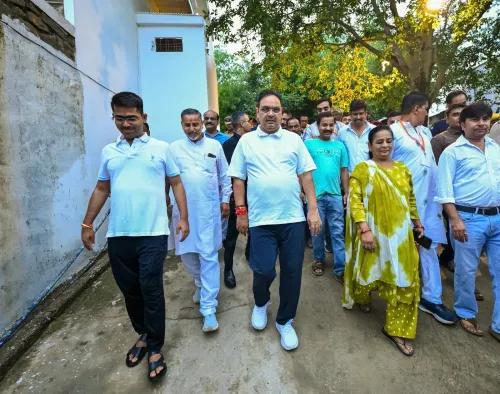
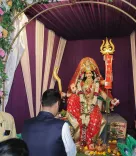
On the auspicious occasion of Sharadiya Navratri, Rajasthan Chief Minister Bhajanlal Sharma stepped into the village of Kelawa Khurd in the Bawadi area on Saturday, October 17, 2026 — joining a community of devotees gathered under a sacred canopy of chant, fire, and faith.
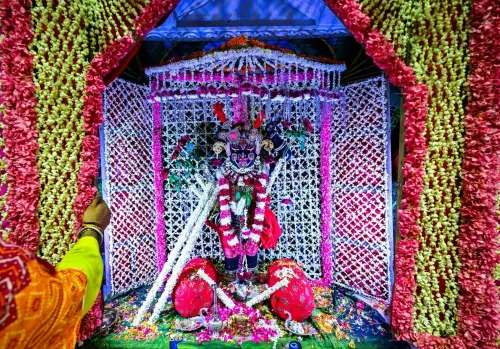
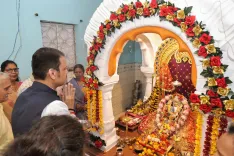
The event, organised by the Keshav Priya Gaushala Seva Samiti, centred on a divy Ramkatha evam Navkundiya Mahayagya — a divine Ram discourse and a nine-fire grand yajna. CM Sharma performed jalabhishek (ritual consecration with water) of the Shivling, offered oblations into the sacred fires, and sat to listen to the recitation of the Ram Katha delivered by revered storyteller-saint Shri Murlidhar Ji Maharaj.
Honour for a saint, fodder for cows
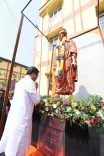
Beyond the ritual fire, the Chief Minister personally felicitated Katha-vachak Sant Shri Murlidhar Ji Maharaj, acknowledging the saint's role in sustaining oral traditions of devotional storytelling. He then walked into the gaushala compound and fed fodder to the cows — a gesture that blended the political and the pastoral in full public view.
Navratri, gaushalas, and the Rajasthan political calendar
Navratri appearances at gaushalas and religious congregations have long been a fixture on the Rajasthan Chief Minister's calendar, regardless of party. For Bhajanlal Sharma, who took office in December 2023 as the BJP's choice after the party swept the state assembly elections, such engagements carry dual weight — they signal cultural continuity and reinforce the party's commitment to cow protection as both a religious and policy priority. Rajasthan has maintained dedicated state support for cow shelters through various schemes and local samitis, and events like this one at Kelawa Khurd put that support in human, visible terms.
The hashtag #AapnoAgraniRajasthan ('Our Leading Rajasthan') attached to the post frames the appearance within the government's broader branding of a progressive, culturally rooted state — a message aimed squarely at rural constituencies where such gatherings draw thousands.
As Navratri's remaining nights unfold, the Chief Minister's public schedule is expected to include further religious and community engagements across the state — each one a reminder that in Rajasthan, the temple courtyard and the political stage often share the same ground.
Point of View
Participatory, and rooted in rural Hindu practice. Since taking office in December 2023, Sharma has consistently used religious occasions to consolidate the party's base in Rajasthan's semi-urban and rural heartland, where gaushala committees and religious samitis wield considerable social influence. The gaushala setting is particularly deliberate: cow protection sits at the intersection of BJP ideology and state policy, making a fodder-feeding photo opportunity as much a policy statement as a devotional act. Expect this pattern to intensify ahead of any local body or panchayat elections on the horizon.
NationPress
17 Oct 2026
Frequently Asked Questions
Where did CM Bhajanlal Sharma attend the Ram Katha event?
CM Bhajanlal Sharma attended the Ram Katha and Navkundiya Mahayagya at Kelawa Khurd village in the Bawadi area of Rajasthan on October 17, 2026.
What is a Navkundiya Mahayagya?
A Navkundiya Mahayagya is a grand Hindu fire ritual conducted simultaneously across nine sacred fire pits (kundas), with participants offering oblations (ahuti) while Vedic hymns are chanted.
Who is Shri Murlidhar Ji Maharaj?
Shri Murlidhar Ji Maharaj is the revered Katha-vachak (devotional storyteller-saint) who delivered the Ram Katha at the Kelawa Khurd event and was honoured by CM Bhajanlal Sharma.
What is the Keshav Priya Gaushala Seva Samiti?
The Keshav Priya Gaushala Seva Samiti is the local community organisation that runs the gaushala (cow shelter) in Kelawa Khurd and organised the Navratri Ram Katha and Mahayagya event.
Why do Rajasthan chief ministers attend gaushala events during Navratri?
Attending gaushalas and religious gatherings during Navratri is a long-standing tradition for Rajasthan chief ministers, reflecting both public engagement with Hindu cultural practices and state-level policy support for cow shelters through dedicated schemes and samitis.