Australia's Inflation Rate Drops to 3.7% in February
Synopsis
Australia's inflation rate has unexpectedly fallen to 3.7% in February, surprising economists who predicted it would remain at 3.8%. This decline comes as housing prices soar, raising concerns about future inflation amid ongoing geopolitical tensions.
Key Takeaways
Inflation rate in Australia drops to 3.7% in February.
Economists anticipated a stable 3.8% rate.
Housing prices rose by 7.2% , contributing to inflation.
RBA's target range is 2-3% , with current rates exceeding this.
Ongoing conflict may worsen inflation scenarios.
Canberra, March 25 (NationPress) In a surprising turn of events, Australia's annual inflation rate has decreased to 3.7 percent in February, contradicting economists' predictions of a steady 3.8 percent. Official data from the Australian Bureau of Statistics (ABS), released on Wednesday, indicates that the consumer price index (CPI) experienced a 3.7 percent increase over the year leading up to February, down from 3.8 percent in December and January, as reported by Xinhua news agency.
Earlier on Wednesday, the Australian Broadcasting Corporation noted that financial markets had anticipated inflation to hold steady at 3.8 percent for the third month in a row.
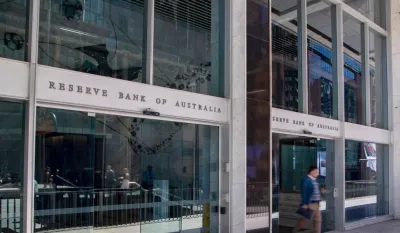
The ABS reported that the annual trimmed mean, a key indicator of core inflation preferred by the Reserve Bank of Australia (RBA), remained at 3.3 percent in February, which is still above the central bank’s target range of 2-3 percent.
This announcement follows the RBA’s decision on March 17 to increase the official cash rate to 4.1 percent for the second month in a row.
The board indicated that rising fuel prices, exacerbated by the conflict in the Middle East, would contribute to inflationary pressures.
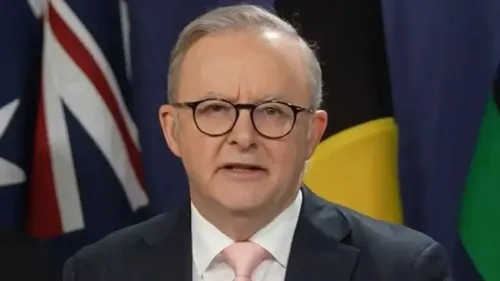
In reaction to the ABS findings, Treasurer Jim Chalmers stated on social media that inflation was already high before the war began and that the ongoing conflict could worsen the situation.
Chalmers suggested earlier this month that a prolonged conflict might push inflation above 5.0 percent by 2026, and during a business event on Tuesday, he mentioned that the government is exploring a "broader than usual range of options" to tackle the inflation issue.
The ABS identified a significant 7.2 percent increase in housing prices as the primary contributor to inflation in the year to February, alongside a 3.1 percent rise in food and non-alcoholic beverage prices.
Point of View
While the decrease in inflation is a positive sign, it is essential to remain cautious. The underlying factors such as rising housing prices and geopolitical tensions present challenges that could impact future economic stability. A balanced approach is needed to navigate these complexities.
NationPress
22 Sept 2026
Frequently Asked Questions
What is the current inflation rate in Australia?
As of February, Australia's annual inflation rate is 3.7%, a decrease from 3.8% in the previous months.
What factors contributed to the inflation decrease?
The decrease was driven by a drop in the consumer price index, despite rising housing and food prices.
How does this inflation rate compare to the Reserve Bank's target?
The current inflation rate of 3.7% remains above the Reserve Bank of Australia's target range of 2-3%.
What impact might the ongoing conflict in the Middle East have?
Experts suggest that the conflict could exacerbate inflation due to rising fuel prices.
What measures is the Australian government considering to address inflation?
The government is exploring a wider range of options to tackle inflation, as indicated by Treasurer Jim Chalmers.