Digital arrest scam foiled in Gujarat: Bank employee saves elderly couple's gold, ₹2 lakh
Synopsis
A bank employee's quick instinct was all that stood between a 75-year-old Gujarat couple and a devastating loss — 25 tolas of gold and ₹2 lakh — after fraudsters kept them under a fake 'digital arrest' for three days. The Sabarkantha case is a textbook example of the scam pattern sweeping India, and a rare win for bank-police coordination.
Key Takeaways
A 75-year-old couple in Sabarkantha, Gujarat was targeted in a 'digital arrest' scam on 24 July .
Fraudsters allegedly posed as Mumbai Police officers and kept the couple under continuous video calls for three days .
The scammers demanded 25 tolas of gold (to be melted into biscuits) and ₹2 lakh in cash.
An Axis Bank employee noticed the couple's distress and alerted the Sabarkantha Cyber Crime Police , who intervened in time.
Gujarat Deputy Chief Minister Harsh Sanghavi has directed police to strengthen bank-police coordination against cyber fraud.
Citizens can report digital arrest scams on the Cyber Crime Helpline: 1930 or the National Cyber Crime Reporting Portal .
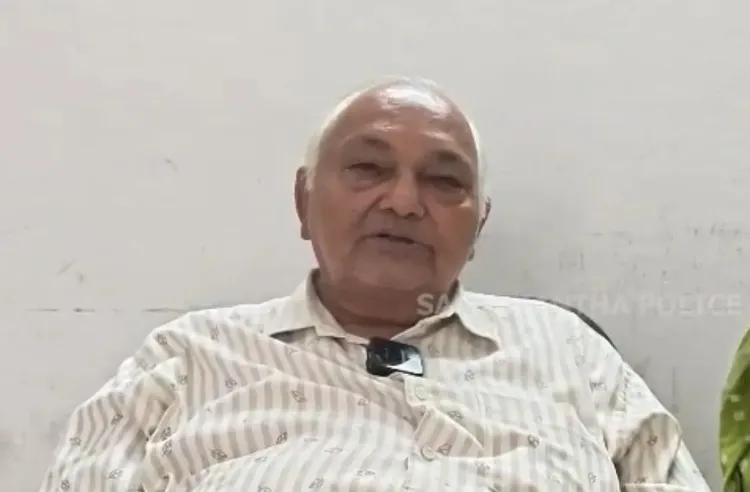
A 75-year-old couple in Sabarkantha district, Gujarat, was saved from a sophisticated 'digital arrest' cyber fraud on 24 July after an alert Axis Bank employee noticed their distress and alerted the Sabarkantha Cyber Crime Police, who intervened before the couple could hand over 25 tolas of gold and ₹2 lakh in cash to the scammers.
How the Scam Unfolded
According to the Sabarkantha Cyber Crime Police, the fraudsters allegedly impersonated Mumbai Police officers and falsely told the couple that a SIM card linked to the Aadhaar card of Rasikbhai Modi had been used in a financial fraud connected to a person identified as 'Naresh Goyal'. The couple were kept under continuous video surveillance — what the fraudsters termed a 'digital arrest' — for three days, during which they were repeatedly threatened with legal action unless they arranged payment to have their names cleared from the alleged case.
The scammers instructed the victims to melt 25 tolas of gold into gold biscuits and liquidate a fixed deposit worth ₹2 lakh to arrange the demanded sum — a calculated move designed to maximise the haul while minimising traceability.
The Bank Employee Who Made the Difference
The fraud unravelled when the elderly couple visited an Axis Bank branch to execute the transactions. A vigilant bank employee observed that the two appeared visibly distressed and immediately suspected foul play. The employee promptly contacted the Sabarkantha Cyber Crime Police, who dispatched a cyber crime team to the branch.
Officers counselled the couple on the spot, confirmed they had been targeted by a cyber fraud, and ensured no money or valuables were transferred. Police said the timely intervention averted a substantial financial loss.
Government Response and Coordination Efforts
The case has drawn attention at the state level. Gujarat Deputy Chief Minister Harsh Sanghavi has directed police to provide immediate assistance to citizens at risk of cyber fraud. He recently chaired a review meeting with senior police and bank officials to strengthen inter-agency coordination and build faster response mechanisms against financial fraud — a sign that the state administration is treating the surge in digital arrest scams as a systemic concern rather than isolated incidents.
What Citizens Must Know
Police reiterated a critical advisory: no law enforcement agency or government body in India conducts investigations through video calls or demands money to settle criminal cases. Authorities have specifically urged senior citizens — who are disproportionately targeted in such scams — to treat any such call with immediate suspicion.
Citizens who encounter similar attempts are urged to call the Cyber Crime Helpline at 1930 or report incidents through the National Cyber Crime Reporting Portal. This incident is part of a broader and growing pattern of 'digital arrest' scams across India, in which fraudsters exploit fear of legal consequences to coerce victims into transferring money or valuables under sustained psychological pressure.
With bank-police coordination proving decisive in the Sabarkantha case, authorities are expected to push for wider adoption of such vigilance protocols at bank branches across Gujarat.
Point of View
But for what was prevented — and by whom. A bank teller, not a cybercrime algorithm or a government awareness campaign, was the last line of defence for a couple who had already been psychologically broken over three days of sustained intimidation. That should prompt a harder question: why is frontline bank staff training the most effective intervention India has against a scam that is now endemic? The state's response — a review meeting chaired by the Deputy CM — is welcome, but the pattern of digital arrest fraud is accelerating faster than institutional coordination can match. Until there is a mandatory, standardised protocol for bank employees to flag distressed customers and a direct hotline to cyber cells, these saves will remain acts of individual vigilance rather than systemic protection.
NationPress
23 Oct 2026
Frequently Asked Questions
What is a 'digital arrest' scam?
A 'digital arrest' scam is a form of cyber fraud in which criminals impersonate police officers or government officials and falsely claim the victim is implicated in a criminal case. They keep the victim under continuous video call surveillance — the so-called 'digital arrest' — and demand money or valuables to 'clear' their name. No legitimate law enforcement agency in India uses this method.
How was the Gujarat couple's digital arrest scam foiled?
The couple visited an Axis Bank branch in Sabarkantha to liquidate their gold and fixed deposit as instructed by the fraudsters. A bank employee noticed they appeared distressed, suspected fraud, and immediately informed the Sabarkantha Cyber Crime Police. Officers reached the branch, counselled the couple, and prevented any transfer of money or gold.
Who are the primary targets of digital arrest scams in India?
Senior citizens are disproportionately targeted in digital arrest scams, as fraudsters exploit their unfamiliarity with cyber procedures and their fear of legal consequences. The Gujarat case involved a 75-year-old couple who were kept under psychological pressure for three days before intervention.
What should I do if I receive a digital arrest call?
Do not comply with any demands. Immediately hang up and call the Cyber Crime Helpline at 1930, or report the incident through the National Cyber Crime Reporting Portal. Police emphasise that no government agency or police force conducts investigations via video call or demands payment to settle criminal cases.
What steps is the Gujarat government taking against digital arrest fraud?
Gujarat Deputy Chief Minister Harsh Sanghavi has instructed police to provide immediate assistance to citizens at risk of cyber fraud. He recently held a review meeting with senior police and bank officials to strengthen coordination between banks and cyber crime units and improve response times to such cases.