What Factors Contributed to the Baramati Plane Crash?

Synopsis
A tragic plane crash near Baramati has sparked investigations into the possible causes, including visibility challenges and technical issues. With the loss of Maharashtra's Deputy Chief Minister and others, aviation experts weigh in on the incident's implications. Stay tuned for further developments as the DGCA delves into the investigation.
Key Takeaways
Visibility challenges were reported during the landing attempt.
The pilot declared an emergency prior to the crash.
Technical issues related to the aircraft's undercarriage may have played a role.
The investigation is led by the DGCA to ascertain the crash's cause.
Human cost of the tragedy includes prominent political figures.
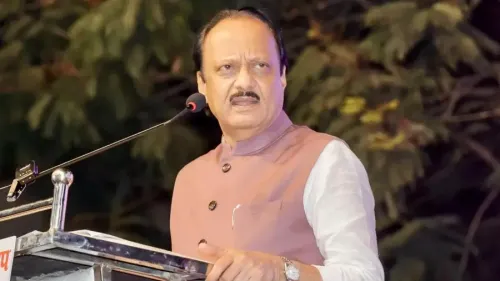
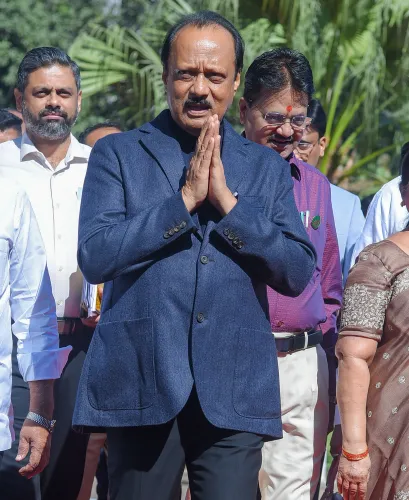
New Delhi, Jan 28 (NationPress) Aviation specialists are now analyzing the factors leading to the devastating plane crash near Baramati, which resulted in the deaths of Maharashtra's Deputy Chief Minister Ajit Pawar, two pilots, and several passengers. As investigators seek definitive findings through official inquiries, insights are pouring in.
Minoo Wadia, a former Air India pilot and aviation expert, highlighted visibility issues along with a potential emergency declaration from the pilot during the landing attempt.
Wadia remarked, “This incident took place at Baramati, where visibility was reportedly inadequate. The pilot made a go-around attempt; on the first try, a landing was not accomplished. On the second attempt, the aircraft seemingly touched down before crashing. We need to await further evidence. It appears the pilot declared an emergency—what prompted this? Was there an engine malfunction? A single engine failure typically wouldn't lead to a crash, as a skilled pilot can manage a safe landing. There are also claims of undercarriage complications; this aircraft has a past of such issues.”
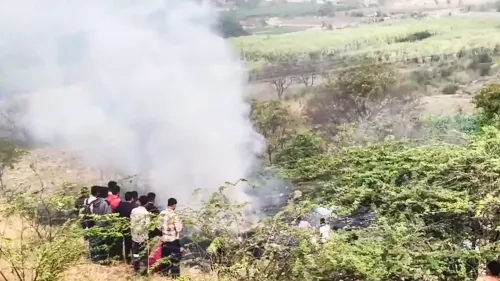
In a separate evaluation, Wadia noted that while visibility could have influenced the situation, it likely wasn't the sole contributor. He explained, “Indeed, visibility impacts operations, but there was no fog in Baramati this morning, and it wasn't particularly early—around nine o'clock or quarter to nine. Although visuals indicate subpar visibility, it probably wasn't the primary cause of the crash.”
Another expert, Surjit Panesar, expressed sorrow over the fatalities and stressed the human toll of this incident. He stated, “It’s a tragic and heart-wrenching event that has claimed the lives of a prominent political figure, along with pilots and passengers. At this moment, we can only pray for their souls to find peace and provide strength to the grieving families facing this loss. We also pray for the nation, which has experienced such a significant political setback.”
Panesar emphasized the responsibilities of Air Traffic Control (ATC) and the need for timely meteorological updates during landing. He mentioned, “Regardless of the circumstances, whether it was weather-related or visibility issues, ATC plays a crucial role. They are responsible for relaying real-time information to the pilot about weather conditions: approaching clouds, rain, and diminishing visibility. The pilot also has some visibility from the runway…”
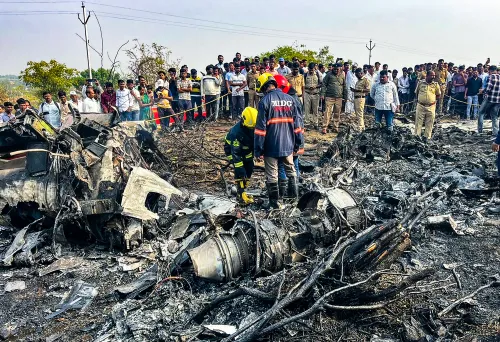
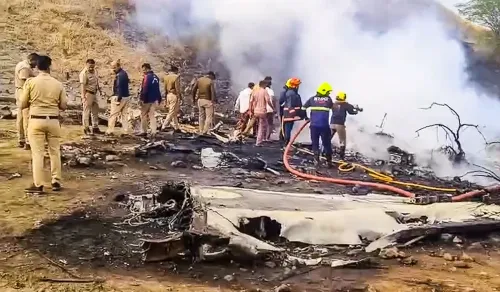
The aircraft met with an accident while trying to land at Baramati airport around 9 a.m. after departing from Mumbai. Tragically, all aboard perished in the incident.
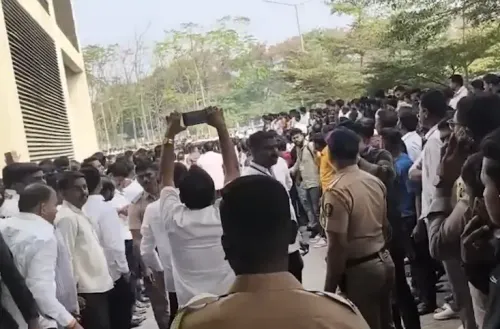
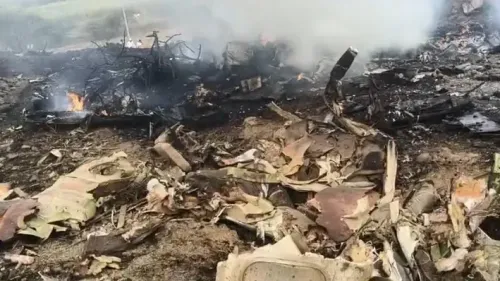
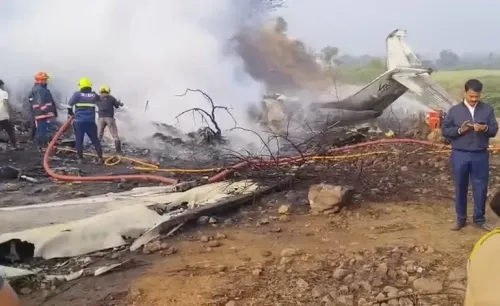
Emergency response teams, local authorities, and aviation officials hurried to the scene, where images depicted smoke, flames, and a wrecked fuselage.
The Directorate General of Civil Aviation (DGCA) has initiated a comprehensive investigation to ascertain the true cause of the crash, focusing on weather factors, technical issues, and operational procedures.
Further updates are anticipated as the inquiry progresses.
Point of View
It is our responsibility to provide a balanced perspective on this tragic event. The loss of influential figures like Ajit Pawar impacts not only the political landscape but resonates deeply across communities. We stand with the families affected by this tragedy and await the findings of the ongoing investigation to ensure accountability and a commitment to aviation safety.
NationPress
2 Oct 2026
Frequently Asked Questions
What caused the Baramati plane crash?
While investigations are ongoing, aviation experts suggest that visibility issues and potential technical problems may have contributed to the crash.
Who were the victims of the crash?
The crash resulted in the loss of Maharashtra's Deputy Chief Minister Ajit Pawar, two pilots, and several other passengers.
What is being done to investigate the crash?
The Directorate General of Civil Aviation (DGCA) has launched a comprehensive investigation to determine the crash's cause, focusing on weather conditions and technical aspects.
What role does Air Traffic Control play?
Air Traffic Control is responsible for providing pilots with real-time weather updates and ensuring a safe landing environment.
What were the visibility conditions during the crash?
Reports indicate that visibility was poor but not obstructed by fog at the time of the crash.