Barrackpore Station marks 164 years: Eastern Railway celebrates heritage site

Synopsis
Built in 1862 to serve a colonial cantonment, Barrackpore station has outlasted the empire that built it — standing witness to the 1824 mutiny, Mangal Pandey's 1857 uprising, and India's independence. Eastern Railway's 164th anniversary celebration is a reminder that some platforms carry more than passengers.
Key Takeaways
Eastern Railway celebrated the 164th anniversary of Barrackpore railway station on 17 August 2026 .
The station was built in 1862 to connect the country's first military cantonment at Barrackpore with Kolkata.
The site witnessed the Barrackpore Mutiny of 1824 and Mangal Pandey's 1857 revolt against British rule.
Celebrations were held under the Station Mahotsav initiative of the Ministry of Railways , covering more than 100 heritage stations.
Events included student poetry, a historical video screening, a Scouts and Guides play, and felicitation of retired railway employees.
Eastern Railway (ER) on 17 August 2026 celebrated the 164th anniversary of the heritage Barrackpore railway station in a colourful ceremony, honouring one of the oldest suburban stations in the country and its deep ties to India's freedom struggle. The station, built in 1862, was originally constructed to link the country's first military cantonment with the city of Calcutta (now Kolkata).
A Station Rooted in Colonial and Revolutionary History
The military garrison at Barrackpore was established in 1772 by the British East India Company, with a formal cantonment board announced under Warren Hastings in 1775. The area became a crucible of resistance long before the station's tracks were laid. In 1824, in what the British recorded as the 'Barrackpore Mutiny', troops of the 47th Bengal Native Infantry — led by Sepoy Bindee Tiwari — refused orders to march to Burma (now Myanmar) for the first Anglo-Burmese War. The British suppressed the uprising using artillery, massacring the soldiers.
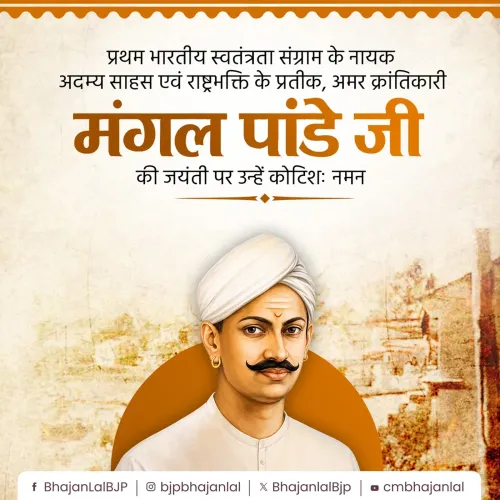
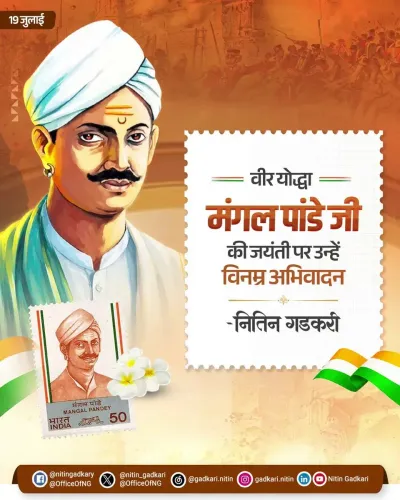
Decades later, in 1857, Mangal Pandey rallied his fellow soldiers in revolt against British rule at Barrackpore — an act that some historians regard as the opening salvo of India's first War of Independence. 'Though the station came up a few years later, it was witness to several interesting events in India's history thereafter. The station was used by freedom fighters extensively,' a senior railway official said.
Station Mahotsav: Reviving Railway Heritage Across India
The anniversary celebrations were held as part of the Station Mahotsav initiative, launched by the Ministry of Railways to mark the founding anniversaries of heritage stations across the country. More than 100 stations on the Indian Railways network have been identified under this programme to spotlight their historical significance and contributions to regional development.
'Barrackpore station stands among the oldest suburban stations in the country, having witnessed the remarkable transformation of Barrackpore from the colonial era into modern India while continuing to serve as a vital transit hub,' the official added.
Events on the Day
Local school students recited poems composed by their teachers on themes of India's Independence and the hardships of the freedom struggle. Attendees also viewed a special video screening tracing the station's journey from its 1862 origins to its present-day role as a busy suburban transit point.
Members of the Bharat Scouts and Guides staged a play depicting the historic resistance led by Mangal Pandey, paying tribute to him and other lesser-known freedom fighters. Retired railway employees were felicitated for their years of dedicated service, linking the station's storied past with its living community.
What Officials Said
Shibram Majhi, Chief Public Relations Officer (CPRO) of Eastern Railway, captured the spirit of the occasion: 'Barrackpore Station is not just a transit point of iron and concrete; it is a living monument to India's heritage and freedom struggle. Through Station Mahotsav, we are not only honoring 164 years of rail service but also passing the torch of our rich history to the next generation.'
The event concluded with a collective rendition of the National Anthem, as the historic platforms resonated with what organisers described as a moment of shared pride and patriotism. With over a century and a half of service, Barrackpore station's story is far from over — the Station Mahotsav initiative signals a broader push to ensure such heritage sites remain relevant to younger generations.
Point of View
But the Barrackpore anniversary underscores a broader question: whether heritage commemoration translates into sustained preservation investment or remains a one-day event. Barrackpore is not merely old — it is historically loaded, linked to two of the most significant acts of armed resistance against colonial rule. That depth deserves more than a video screening and a poetry recital. Indian Railways has over 100 stations flagged for similar treatment; the risk is that the programme becomes ceremonial without a structural commitment to restoration, archiving, and education infrastructure at these sites.
NationPress
2 Oct 2026
Frequently Asked Questions
When was Barrackpore railway station built and why?
Barrackpore railway station was built in 1862, primarily to connect the country's first military cantonment at Barrackpore with the city of Calcutta (now Kolkata). The cantonment itself had been established by the British East India Company in 1772.
What is the Station Mahotsav initiative?
Station Mahotsav is a Ministry of Railways initiative to celebrate the founding anniversaries of heritage stations across the Indian Railways network. More than 100 stations have been identified under the programme to highlight their historical legacy and contributions to regional development.
What is the historical significance of Barrackpore station?
Barrackpore was the site of the 1824 mutiny, in which troops of the 47th Bengal Native Infantry refused British orders and were subsequently massacred, and of Mangal Pandey's 1857 revolt, which some historians consider the beginning of India's first War of Independence. The station, built shortly after, also reportedly served as a refuge and transit point for freedom fighters.
Who led the 1824 Barrackpore Mutiny?
The 1824 Barrackpore Mutiny was led by Sepoy Bindee Tiwari, whose troops from the 47th Bengal Native Infantry refused to travel to Burma to participate in the first Anglo-Burmese War. The British suppressed the revolt using artillery.
What events marked the 164th anniversary celebration?
The anniversary included student poetry recitals on India's freedom struggle, a historical video screening tracing the station's evolution since 1862, a play by the Bharat Scouts and Guides depicting Mangal Pandey's resistance, and the felicitation of retired railway employees. The event concluded with a collective rendition of the National Anthem.