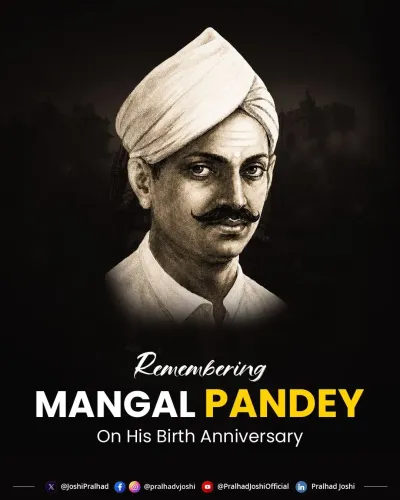
Amit Shah Pays Tribute to Mangal Pandey on Birth Anniversary
Synopsis
Union Home Minister Amit Shah marked the birth anniversary of revolutionary sepoy Mangal Pandey on 19 July 2026, honouring his role in igniting the 1857 uprising against British rule and calling him an unparalleled martyr whose sacrifice lit the flame of India's independence.
Key Takeaways
Union Home Minister Amit Shah posted a tribute to Mangal Pandey on his birth anniversary on 19 July 2026 .
Mangal Pandey was a sepoy in the 34th Bengal Native Infantry who attacked British officers at Barrackpore on 29 March 1857 and was executed on 8 April 1857 .
Shah described Pandey as having awakened public consciousness for the defence of 'culture, self-respect, and national interest' against British oppression.
The 1857 revolt is recognised in official Indian historiography as the First War of Independence .
The Government of India held nationwide commemorations for the revolt's 150th anniversary in 2007 ; the 170th anniversary falls in 2027 .
Tributes to pre-20th-century freedom fighters have been a consistent feature of BJP official communications since 2014 .
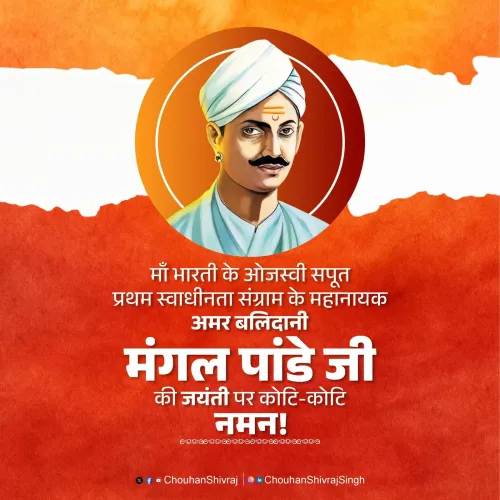
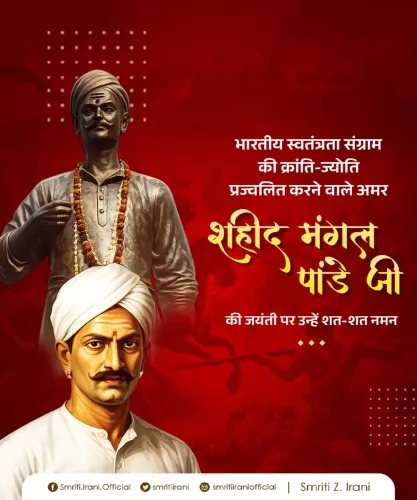
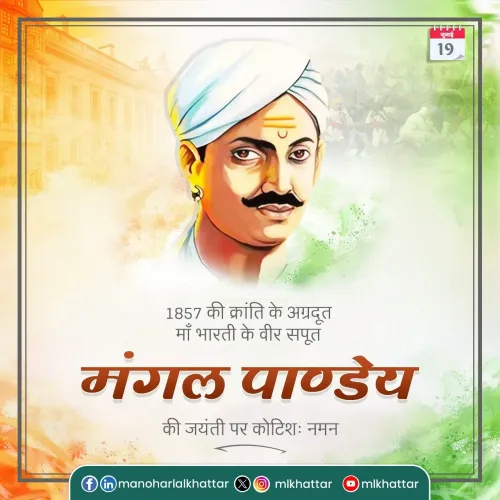
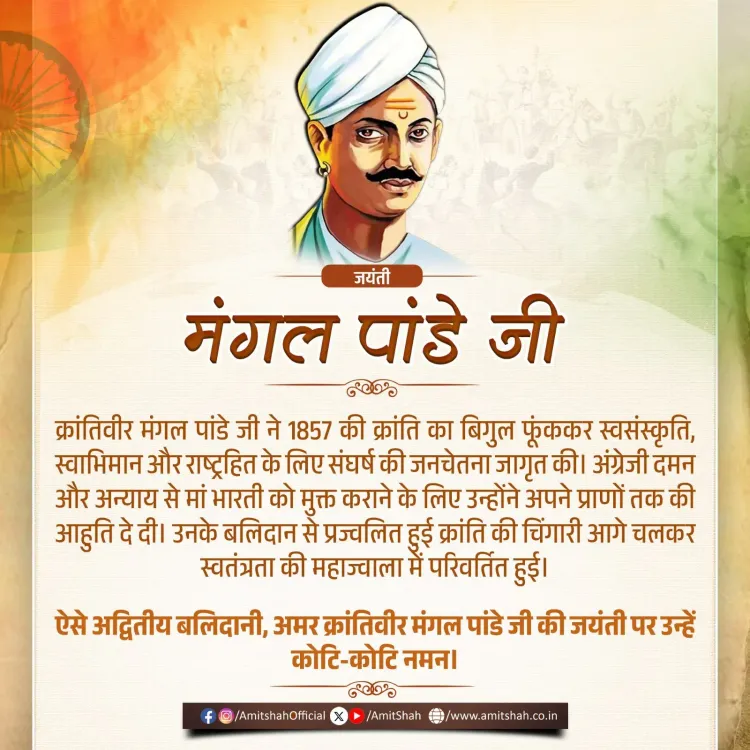
Union Home Minister Amit Shah on Sunday, 19 July 2026, paid tribute to freedom fighter Mangal Pandey on his birth anniversary, honouring the revolutionary sepoy who is widely credited with sounding the first bugle of the 1857 uprising against British colonial rule.
In his post on X, Shah wrote: 'Krantiveer Mangal Pandey ji ne 1857 ki kranti ka bigul phoonkkar swasanskriti, swabhimaan aur rashtrahit ke liye sangharsh ki janchetna jagrit ki' — meaning, 'Revolutionary hero Mangal Pandey sounded the bugle of the 1857 revolt and awakened public consciousness for the struggle in defence of our culture, self-respect, and national interest.' Shah added that Pandey gave his life to free Maa Bharati (Mother India) from British oppression and injustice, and that the spark of revolution ignited by his sacrifice ultimately transformed into the great flame of independence.
Context
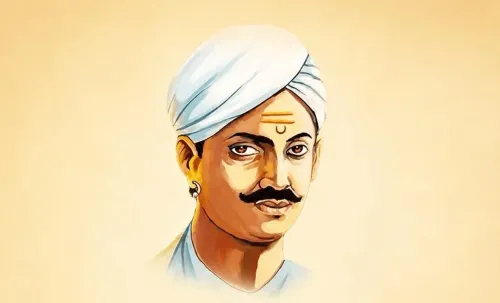
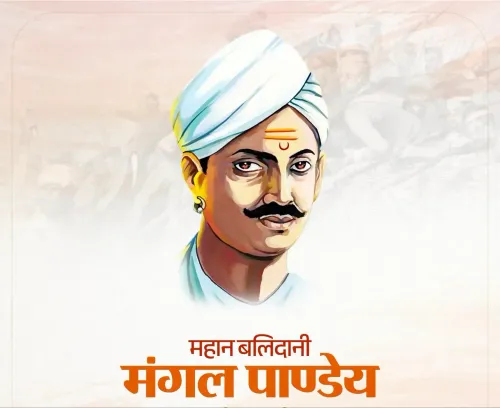
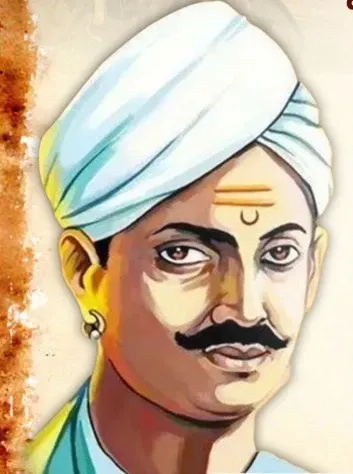
Mangal Pandey was a sepoy in the 34th Bengal Native Infantry of the East India Company. On 29 March 1857, he attacked British officers at Barrackpore, an act that is regarded in official Indian historiography as one of the earliest flashpoints of the broader revolt that swept northern and central India later that year. He was subsequently court-martialled and executed on 8 April 1857. His birth anniversary is observed as a day of remembrance for early anti-colonial resistance.
The 1857 revolt — referred to in Indian official historiography as the First War of Independence — involved widespread uprisings across large parts of the subcontinent against East India Company rule. It remains one of the most studied and symbolically significant events in India's colonial history.
Policy Backdrop
The Government of India marked the 150th anniversary of the 1857 revolt in 2007 with nationwide commemorations, exhibitions, and postal stamps honouring Mangal Pandey and other leaders of the uprising. Since 2014, ministers and officials from the ruling Bharatiya Janata Party have consistently issued public tributes on birth and death anniversaries of pre-20th-century independence icons, foregrounding early resistance to colonial rule as part of a broader cultural and historical emphasis across official channels and state curricula.
Such commemorations have become a regular feature of the BJP's public communication, reflecting a deliberate effort to centre figures like Pandey — who predate the mainstream nationalist movement of the early 20th century — in the popular imagination of India's freedom struggle.
Stakeholders and Impact
The tribute resonates with history educators, students, and citizens engaged with India's colonial past. Barrackpore in West Bengal, where Pandey's act of defiance took place, holds particular historical significance and has been a site of periodic commemorative activity. Tributes from senior Union ministers carry symbolic weight in reinforcing the national stature of such figures.
For communities in Uttar Pradesh — particularly around Ballia, the district traditionally identified as Pandey's birthplace — the anniversary is observed with local ceremonies and school events.
What's Next
With the 170th anniversary of the 1857 revolt approaching in 2027, commemorative programmes, potential updates to school textbooks, and museum exhibitions centred on the uprising and its key figures are expected to gather momentum. Shah's tribute on Pandey's birth anniversary signals continued official emphasis on the 1857 generation of freedom fighters as foundational to India's independence narrative.
Point of View
Martial anti-colonial figures to the centre of India's independence narrative. By invoking Pandey's sacrifice in terms of 'swasanskriti' (own culture) and 'swabhimaan' (self-respect), the framing connects 1857's resistance to a civilisational idiom that the current political establishment has consistently emphasised. With the 170th anniversary of the revolt on the horizon in 2027, such tributes are likely to intensify, potentially influencing commemorative policy and curriculum decisions. The choice of platform — a mass-reach social media post on a Sunday morning — underscores how birth anniversaries of historical icons serve as regular touchpoints for cultural messaging at the highest levels of government.
NationPress
18 Oct 2026
Frequently Asked Questions
Who was Mangal Pandey and why is he famous?
Mangal Pandey was a sepoy in the 34th Bengal Native Infantry of the East India Company who attacked British officers at Barrackpore on 29 March 1857. He is widely regarded as one of the earliest figures to openly revolt against British colonial rule, making him a symbol of the 1857 uprising, which is called the First War of Independence in official Indian historiography.
When is Mangal Pandey's birth anniversary?
Mangal Pandey's birth anniversary falls on 19 July. In 2026, Union Home Minister Amit Shah marked the occasion with a tribute on X, honouring Pandey's role in sparking the 1857 revolt.
What did Amit Shah say about Mangal Pandey?
Amit Shah said that Mangal Pandey sounded the bugle of the 1857 revolution and awakened public consciousness for the struggle in defence of culture, self-respect, and national interest. He added that Pandey sacrificed his life to free Mother India from British oppression, and that the spark he ignited eventually became the great flame of independence.
What was the 1857 revolt?
The 1857 revolt was a widespread uprising against East India Company rule across northern and central India. It is officially recognised in India as the First War of Independence. Mangal Pandey's act of defiance at Barrackpore in March 1857 is considered one of its earliest flashpoints.
What commemorations are planned for the 1857 revolt?
The 170th anniversary of the 1857 revolt falls in 2027. Commemorative programmes, potential school textbook updates, and museum exhibitions on the uprising and its key figures are expected to be organised as the anniversary approaches.