PM Modi Pays Tribute to Revolutionary Mangal Pandey on Birth Anniversary
Synopsis
Prime Minister Narendra Modi on 19 July 2026 paid tribute to Mangal Pandey, the 1857 sepoy-revolutionary, on his birth anniversary, saluting his sacrifice for national honour and calling his courage an enduring inspiration for every Indian.
Key Takeaways
Prime Minister Narendra Modi posted a tribute to Mangal Pandey on his birth anniversary on 19 July 2026 .
Mangal Pandey was a sepoy in the 34th Bengal Native Infantry who attacked British officers at Barrackpore on 29 March 1857 .
His act of defiance is widely considered one of the earliest sparks of the 1857 Revolt , also called India's First War of Independence .
PM Modi described Pandey as having 'sacrificed everything for the honour and self-respect of the motherland.' The tribute continues a pattern of BJP-led governments highlighting pre-Gandhian armed resistance figures in official commemorations and educational policy.
Observers will watch for state-level events or curriculum initiatives around 1857 figures ahead of Independence Day, August 2026 .
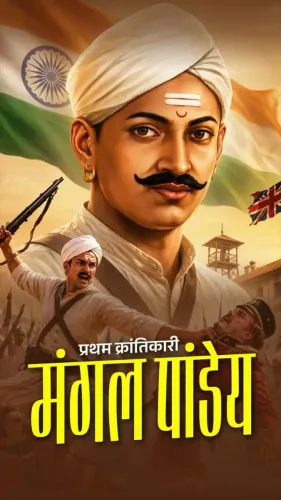
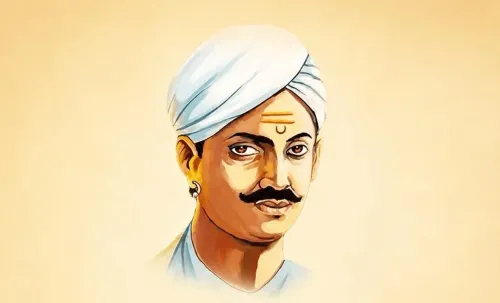
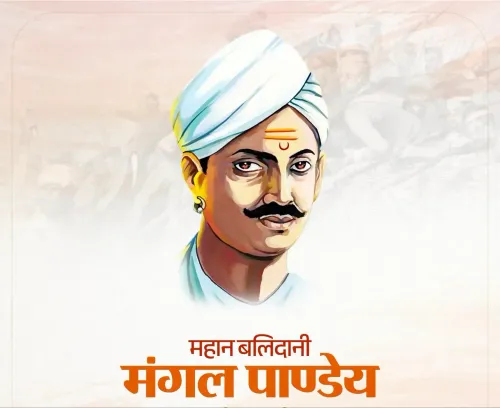
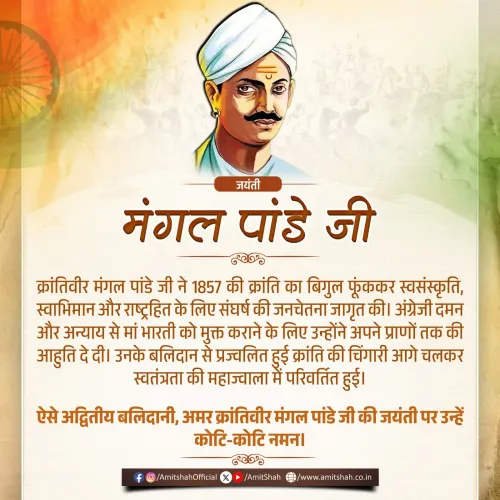
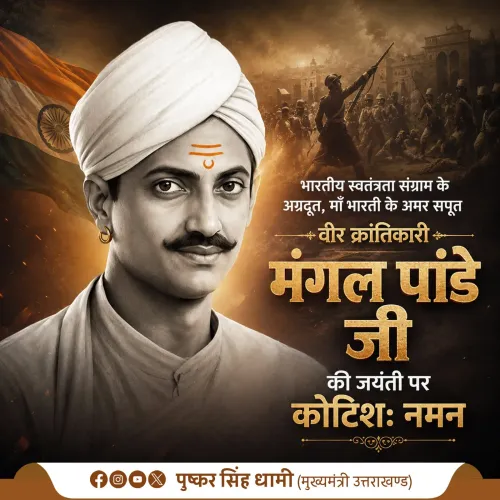
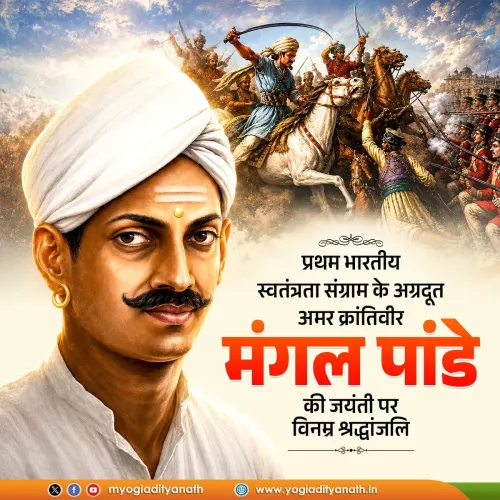
Prime Minister Narendra Modi on Sunday, 19 July 2026 paid homage to Mangal Pandey, the celebrated sepoy-revolutionary of 1857, on the occasion of his birth anniversary, honouring his role as an early symbol of armed resistance against British colonial rule.
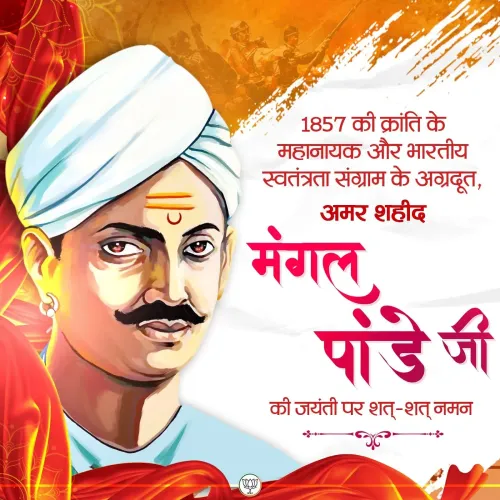
In a post on X in Hindi, Prime Minister Modi wrote: 'महान क्रांतिकारी मंगल पांडे जी को उनकी जयंती पर शत-शत नमन' — offering a 'hundredfold salute to the great revolutionary Mangal Pandey on his birth anniversary.' The Prime Minister added that Pandey 'sacrificed everything for the honour and self-respect of the motherland,' and that his 'courageous life fills every Indian with pride even today.'
Context
Mangal Pandey served as a sepoy in the 34th Bengal Native Infantry of the East India Company. On 29 March 1857, at Barrackpore in present-day West Bengal, he attacked British officers in an act of open defiance — an episode widely regarded as one of the earliest sparks of the broader 1857 Revolt against Company rule. He was subsequently court-martialled and executed.
The 1857 Revolt — also described in Indian historiography as the First War of Independence — spread across large parts of northern and central India before being suppressed by British forces. Pandey's name has since become synonymous with the spirit of anti-colonial resistance in popular memory and national discourse.
Policy Backdrop
Indian leaders across the political spectrum have observed the birth and martyrdom anniversaries of 1857 figures since Independence, using official platforms to underscore indigenous resistance to colonial rule. The practice of issuing formal tributes on social media has become a standard part of the annual commemorative calendar for the Prime Minister's Office.
Successive BJP-led governments have placed particular emphasis on pre-Gandhian armed resistance figures, incorporating them more prominently into official commemorations and school curricula. This approach is part of a broader effort to foreground what the party frames as an unbroken tradition of nationalist struggle rooted in indigenous courage rather than solely in the constitutional or non-violent movements of the 20th century.
Stakeholders and Impact
History educators and curriculum bodies such as the National Council of Educational Research and Training (NCERT) are key stakeholders in how figures like Pandey are presented to successive generations. The Prime Minister's public tribute reinforces the cultural salience of 1857 narratives among Indian youth and in public discourse more broadly.
For the general public, especially students, such commemorations serve as reminders of pre-Independence resistance history. The framing — emphasising personal sacrifice, national honour, and inspiration for future generations — echoes the language used in official school textbooks and state-sponsored commemorative events.
What's Next
Observers will watch for any parallel state-level commemorations or new educational initiatives centred on Mangal Pandey and the 1857 Revolt in the run-up to Independence Day in August 2026. As the government has previously used national occasions to announce curriculum updates or heritage projects, this tribute may signal renewed institutional attention to 19th-century revolutionary figures in the months ahead.
Point of View
A narrative thread that has grown more prominent in both official commemorations and school curricula over the past decade. By describing Pandey's life as a source of pride for 'every Indian,' the Prime Minister frames anti-colonial courage as a universal, non-partisan inheritance rather than a partisan talking point. The timing — weeks ahead of Independence Day — is consistent with a broader commemorative calendar that the government uses to reinforce nationalist themes in public discourse. Whether this tribute translates into fresh policy action, such as new educational modules or heritage projects, remains the key question to watch.
NationPress
18 Oct 2026
Frequently Asked Questions
Who was Mangal Pandey and why is he famous?
Mangal Pandey was a sepoy in the 34th Bengal Native Infantry of the East India Company who attacked British officers at Barrackpore on 29 March 1857, making him one of the earliest figures of armed resistance against colonial rule and a symbol of the 1857 Revolt.
When is Mangal Pandey's birth anniversary?
Mangal Pandey's birth anniversary falls on 19 July, and in 2026 Prime Minister Narendra Modi marked the occasion with a tribute post on X.
What did PM Modi say about Mangal Pandey?
PM Modi said Mangal Pandey 'sacrificed everything for the honour and self-respect of the motherland,' adding that his courageous life fills every Indian with pride and that his tale of valour will continue to inspire every generation of the nation.
What was the 1857 Revolt?
The 1857 Revolt, also known in Indian historiography as the First War of Independence, was an uprising against East India Company rule that began with sepoy mutinies — including Mangal Pandey's act at Barrackpore — and spread across northern and central India before being suppressed.
Why do Indian leaders regularly pay tribute to 1857 figures?
Indian leaders across parties have observed the birth and martyrdom anniversaries of 1857 figures since Independence to highlight anti-colonial resistance; BJP-led governments have placed particular emphasis on these figures as part of a broader narrative linking modern national identity to pre-Gandhian armed resistance.