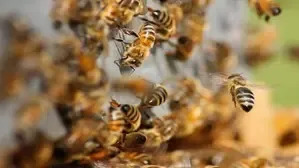
Bee swarm attacks archaeology team at Singhanpur Cave in Raigarh
Synopsis
A routine rock-art documentation mission at one of India's oldest prehistoric cave sites turned dangerous on 16 May when a disturbed beehive sent thousands of bees swarming through Singhanpur Cave in Raigarh, trapping and injuring the archaeology team inside. Authorities have restricted access and plan to relocate the hives — raising wider questions about wildlife hazard protocols at India's protected heritage sites.
Key Takeaways
A Department of Archaeology team from Pandit Ravishankar Shukla University was attacked by a bee swarm inside Singhanpur Cave , Raigarh, Chhattisgarh , on 16 May 2025 .
The swarm was triggered when the team inadvertently disturbed a large beehive in the cave's upper recesses during a documentation exercise.
Several researchers sustained multiple stings, swelling, and allergic reactions; all are reported stable and under medical observation .
Local villagers and emergency services assisted in evacuating the injured from the hillside site.
Authorities have temporarily restricted entry to the affected chambers and plan to safely relocate the wild beehives.
A research and conservation team from the Department of Archaeology at Pandit Ravishankar Shukla University came under a sudden and intense bee attack inside the historic Singhanpur Cave in Raigarh district, Chhattisgarh, on Friday, 16 May, officials confirmed on Saturday. The incident, which unfolded without warning during a routine documentation and preservation exercise, left several researchers injured and forced the temporary closure of sections of the protected heritage site.
How the Incident Unfolded
The academic team had travelled to the ancient site to carry out inspection, documentation, and conservation work on the cave's celebrated prehistoric rock paintings. While researchers were closely examining protected sections and analysing pigments of the paleolithic wall art, a large beehive lodged in the upper recesses of the cave was inadvertently disturbed.
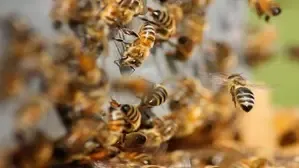
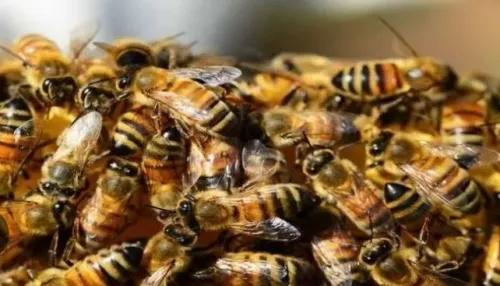
Within moments, thousands of agitated bees swarmed the enclosed interior, trapping the team inside. The sudden assault sent researchers scrambling through the dark cave chambers in search of an exit, resulting in multiple stings and varying degrees of injuries to several members.
Rescue and Medical Response
Local emergency services and nearby villagers responded swiftly after hearing the commotion, helping evacuate the injured personnel from the hillside site and administering immediate first aid. The affected researchers were subsequently transported to a nearby medical facility for treatment.
Doctors confirmed that the victims suffered painful swelling and allergic reactions from the stings. According to officials, all injured individuals are currently stable and recovering under medical observation.
About Singhanpur Cave
The Singhanpur Cave is internationally recognised among historians and anthropologists as one of India's oldest rock shelters, housing paleolithic wall paintings that draw regular academic expeditions from across the country. The site holds protected heritage status and is a significant draw for researchers and tourists alike.
Authorities Respond, Entry Restricted
Following the incident, local administrative authorities have temporarily restricted entry to the affected cave chambers. Officials have announced that a dedicated team will be deployed to safely relocate the wild beehives, ensuring the safety of future research teams, archaeologists, and visitors to the protected site. This comes amid growing calls for better wildlife hazard assessments before expeditions at heritage cave sites across India.
Point of View
Particularly with bee colonies that nest in enclosed rock shelters, are a documented risk at such sites, yet standard operating procedures for archaeology teams seldom include hive surveys or protective gear mandates. As academic expeditions to remote heritage sites increase, the gap between conservation ambition and on-ground safety planning deserves urgent attention from both university bodies and the Archaeological Survey of India.
NationPress
7 Oct 2026
Frequently Asked Questions
What happened at Singhanpur Cave in Raigarh?
A research team from the Department of Archaeology at Pandit Ravishankar Shukla University was attacked by a large bee swarm while conducting documentation and conservation work inside Singhanpur Cave in Raigarh, Chhattisgarh, on 16 May 2025. The team inadvertently disturbed a beehive in the cave's upper section, triggering the swarm.
Were any researchers seriously injured in the bee attack?
Several team members sustained multiple stings, swelling, and allergic reactions. According to doctors, all affected individuals are currently stable and recovering under medical observation; no fatalities have been reported.
What is Singhanpur Cave and why is it significant?
Singhanpur Cave in Raigarh district, Chhattisgarh, is one of India's oldest known rock shelters and houses paleolithic wall paintings of global historical significance. The site is a protected heritage location and draws regular academic expeditions from historians and anthropologists.
What action have authorities taken after the incident?
Local administrative authorities have temporarily restricted entry to the affected cave chambers. Officials have announced that a team will be deployed to safely relocate the wild beehives before the site is reopened to researchers and tourists.
How were the injured researchers rescued?
Local villagers and emergency services responded quickly after hearing the commotion, helping evacuate the injured researchers from the hillside site. The team members were given first aid on site before being transported to a nearby medical facility for further treatment.