West Bengal Assembly goes digital: NeVA launch, 200 MLAs to get training
Synopsis
West Bengal's 294-seat Assembly is joining India's national e-legislature network after years of delay — with the NeVA MoU now signed, paper voting and no live-streaming are set to become history. Around 200 first-time MLAs will receive structured training from the Lok Sabha Speaker and counterparts from UP and Rajasthan, marking one of the most sweeping operational overhauls the House has seen.
Key Takeaways
Speaker Rathindra Bose announced on 11 June that the West Bengal Assembly will shift to fully digital, paperless functioning.
An MoU for the National e-Vidhan Application (NeVA) scheme was signed earlier this month, integrating West Bengal into the national e-legislature network.
Approximately 200 of the Assembly's current members are first-time legislators and will receive special training after the Budget Session starting 18 June .
The Lok Sabha Speaker and Speakers of Uttar Pradesh and Rajasthan are expected to conduct the training.
Opposition leader Suvendu Adhikari alleged the previous TMC government had refused to adopt the NeVA system, leaving West Bengal without electronic voting or live-streaming.
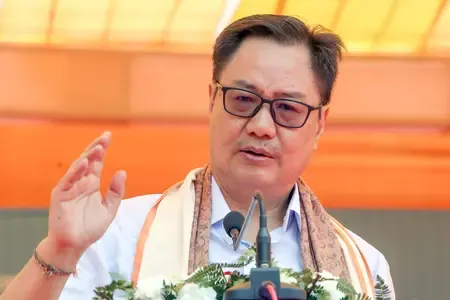
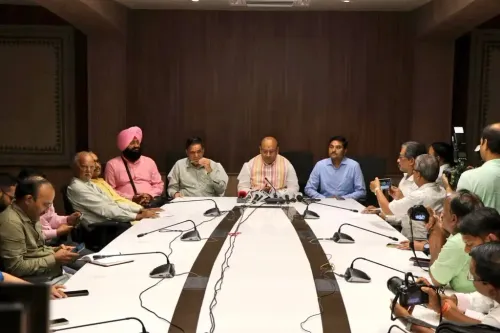
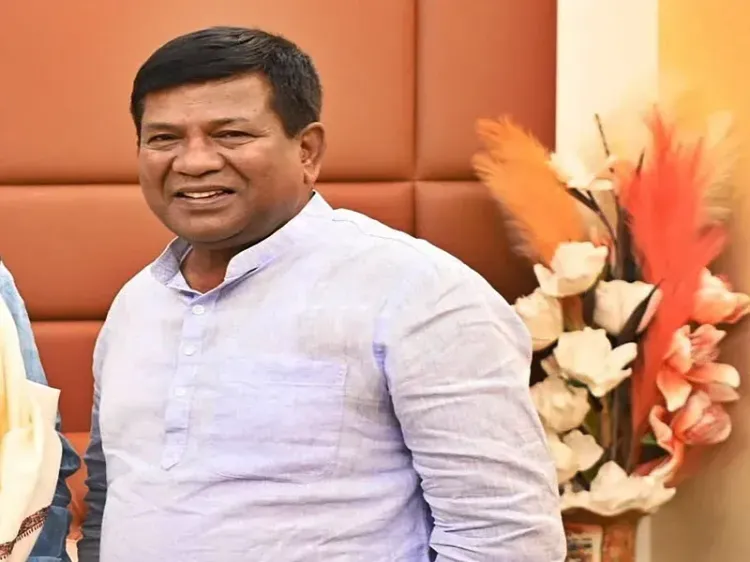
The West Bengal Legislative Assembly is set to transition to fully digital and paperless functioning following the signing of a memorandum of understanding (MoU) for the National e-Vidhan Application (NeVA) scheme, Speaker Rathindra Bose announced on Thursday, 11 June. Addressing a press conference in Kolkata, the Speaker said the shift would bring greater transparency and make Assembly information directly accessible to all.
What the NeVA Scheme Means for West Bengal
The MoU for the NeVA scheme was signed earlier this month, paving the way for end-to-end digital operations in the 294-seat West Bengal Assembly. Under the new framework, paper-based processes — including voting, which has historically been conducted manually — will be replaced by electronic systems. Live-streaming of key sessions, including the upcoming Budget Session, is also expected to begin.
'If the Assembly functioning becomes paperless, all the information will be available to everyone directly. Everyone will benefit from this. This initiative aims at greater transparency,' Speaker Bose said at the press conference.
Training for First-Time Legislators
A significant feature of the transition plan is a dedicated training programme for first-time members of the House. According to Speaker Bose, approximately 200 of the Assembly's current legislators are first-time members — a substantial majority of the House.
'So, it has been decided that a special training session will be arranged for them so that they can get acclimatised to the Assembly proceedings. The training session will be organised at the end of the Budget Session of the House starting from June 18,' he said. Notably, Lok Sabha Speaker and the Speakers of Uttar Pradesh and Rajasthan are expected to attend and conduct the training.
Political Context: A Long-Delayed Shift
The digitalisation move has drawn pointed political commentary. Suvendu Adhikari, a prominent opposition leader, stated that the previous Mamata Banerjee-led All India Trinamool Congress (TMC) government had declined to integrate West Bengal into the NeVA framework, effectively keeping the Assembly disconnected from a national digital initiative adopted by several other states.
'Till now, voting is done on paper in the West Bengal Assembly. The electronic system is not yet working here. Even despite being such a large Assembly, there is no live-streaming facility here. The previous government did not take any step in this matter,' Adhikari reportedly said on the occasion of the MoU signing.
What Happens Next
The Budget Session, commencing 18 June, is expected to be a key milestone, with live-streaming of proceedings set to begin. The training programme for first-time legislators will follow immediately after the session concludes. This marks the first time West Bengal will be formally integrated into the Centre's national e-legislature network, a platform already operational in several other state assemblies across India.
Point of View
Not a resource constraint. With roughly two-thirds of the current House being first-time members, the training programme is necessary, but the real test will be whether digital infrastructure translates into genuine transparency or remains a procedural upgrade on paper. The opposition's framing — that the previous TMC government actively blocked NeVA — is a claim that deserves scrutiny: the Centre's own rollout timeline for NeVA across states has been uneven, and responsibility for delays is rarely one-sided.
NationPress
26 Oct 2026
Frequently Asked Questions
What is the NeVA scheme and why is it significant for West Bengal?
The National e-Vidhan Application (NeVA) is a Central government initiative to make state legislatures paperless and digitally integrated. Its adoption in West Bengal is significant because the state had not previously joined the network, meaning it still used paper-based voting and had no live-streaming of Assembly proceedings.
Who announced the West Bengal Assembly's shift to paperless functioning?
West Bengal Assembly Speaker Rathindra Bose made the announcement at a press conference in Kolkata on 11 June, following the signing of an MoU for the NeVA scheme earlier in the month.
How many West Bengal MLAs are first-time legislators?
According to Speaker Bose, approximately 200 of the current members of the 294-seat West Bengal Assembly are first-time legislators. A special training programme is being organised for them after the Budget Session starting 18 June.
Who will train the first-time MLAs in West Bengal?
The Lok Sabha Speaker and the Speakers of Uttar Pradesh and Rajasthan are expected to conduct the training session for first-time West Bengal legislators, scheduled after the Budget Session that begins on 18 June.
What did opposition leader Suvendu Adhikari say about the previous government and NeVA?
Suvendu Adhikari alleged that the previous Mamata Banerjee-led TMC government had refused to connect West Bengal with the NeVA system, leaving the Assembly without electronic voting or live-streaming facilities despite being one of the country's larger legislative bodies.