West Bengal names IAS officer Dushyant Nariala as WBCSSC Chairman in UPSC-model reform
Synopsis
West Bengal's new government has placed a 1993-batch IAS officer at the helm of the WBCSSC — the body at the centre of the state's school jobs scandal — replacing the tradition of political appointees. Chief Minister Adhikari frames it as a UPSC-model reset, but the real test is whether stalled appointment letters finally reach thousands of waiting candidates.
Key Takeaways
West Bengal CM Suvendu Adhikari announced the appointment of Dushyant Nariala as WBCSSC Chairman on 4 July .
Nariala is a 1993-batch IAS officer and former West Bengal Chief Secretary, currently serving as Principal Resident Commissioner in New Delhi.
The appointment was cleared by the office of Governor R.N.
The move follows the UPSC model , placing a career bureaucrat — not a political figure — at the head of the school recruitment body.
The WBCSSC has been embroiled in controversy over alleged recruitment irregularities under the previous TMC governments.
The government has pledged that merit and qualification will be the sole criteria for future appointments.
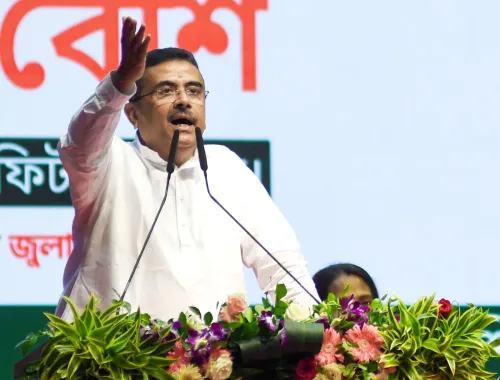
West Bengal Chief Minister Suvendu Adhikari on Saturday, 4 July announced the appointment of former state Chief Secretary Dushyant Nariala, a 1993-batch IAS officer, as Chairman of the West Bengal Central School Service Commission (WBCSSC) — marking what the government described as the first concrete step toward insulating the state's school recruitment system from political influence. The move follows the UPSC model of placing career bureaucrats, rather than political appointees, at the helm of recruitment bodies.
The Appointment
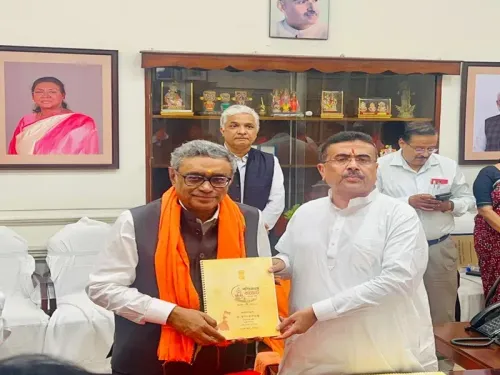
The office of Governor R.N. Ravi cleared the proposal, granting Nariala the additional charge of WBCSSC Chairman alongside his existing role as Principal Resident Commissioner of the West Bengal government in New Delhi. Nariala, a West Bengal cadre officer, previously served as the state's Chief Secretary before moving to the Delhi posting.
What the Chief Minister Said
Announcing the decision, Chief Minister Adhikari invoked an earlier public commitment to reform recruitment commissions on the lines of the UPSC. 'To ensure transparency and impartiality in the recruitment process of the West Bengal Central School Service Commission (WBCSSC), Dushyant Nariala, a very experienced and senior IAS officer of the state, has been given the responsibility of Chairman of the Commission,' he said.
Adhikari also referenced a pledge made after the State Finance Minister announced fresh recruitment of vacant posts in the state budget speech the previous month. 'We had promised that there would be no political person in any recruitment committee. Our government is determined to fulfil that promise,' he added. The Chief Minister stated that merit and qualification would henceforth be the sole criteria for securing government jobs.
The Political Context
The announcement is a pointed rebuke of the preceding All India Trinamool Congress (TMC) governments, which Adhikari's administration has accused of institutional corruption in recruitment. The WBCSSC has been at the centre of prolonged legal and public controversy over alleged irregularities in school staff appointments — a dispute that drew Supreme Court scrutiny and triggered large-scale protests by job aspirants across the state.
Adhikari said: 'The injustices committed during the previous Trinamool Congress governments or the examples of institutional corruption will have no place in this new West Bengal. Our main goal is to protect the rights of qualified and talented job seekers and hand over appointment letters to them.'
Why It Matters
The WBCSSC oversees recruitment for teaching and non-teaching posts in state-aided schools, making it one of the most consequential hiring bodies in West Bengal. Critics and courts had long flagged the risks of politically affiliated chairpersons influencing merit lists. By installing a serving IAS officer — accountable to civil service norms and the Governor's office — the government is signalling a structural, not merely cosmetic, change. Notably, this is the first time in recent memory that a career bureaucrat has been placed at the head of the commission.
What Comes Next
With Nariala now holding dual charge, the immediate expectation is a resumption of stalled recruitment cycles for eligible candidates who have been waiting for appointment orders. The government has indicated that further reforms to other recruitment commissions are under consideration, with transparency and political neutrality as stated benchmarks.
Point of View
But by how quickly and cleanly the backlog of stalled school recruitment is cleared. West Bengal's jobs crisis has festered through court orders, cancelled merit lists, and years of waiting; a change at the top of the commission is a necessary condition for repair, not a sufficient one. The Adhikari government's repeated invocation of TMC-era corruption is politically useful, but it also sets a high bar: any future irregularity under this new framework will be harder to deflect.
NationPress
3 Oct 2026
Frequently Asked Questions
Who is Dushyant Nariala and why has he been appointed WBCSSC Chairman?
Dushyant Nariala is a 1993-batch IAS officer from the West Bengal cadre who previously served as the state's Chief Secretary. He has been appointed Chairman of the West Bengal Central School Service Commission (WBCSSC) to bring bureaucratic neutrality to school recruitment, replacing the earlier practice of appointing political figures to the post.
What is the WBCSSC and why is it significant?
The West Bengal Central School Service Commission (WBCSSC) is the state body that oversees recruitment of teaching and non-teaching staff in state-aided schools. It became a flashpoint for controversy after alleged irregularities in appointments under previous governments drew Supreme Court scrutiny and widespread protests by job aspirants.
What is the UPSC model that West Bengal is adopting for recruitment?
The UPSC model refers to placing career civil servants — rather than political appointees — at the head of recruitment bodies, insulating the process from partisan influence. Chief Minister Adhikari has cited this as the framework for reforming the WBCSSC and other state recruitment commissions.
Will Nariala hold this post in addition to his current role?
Yes. Nariala has been given additional charge of the WBCSSC Chairman role while continuing as Principal Resident Commissioner of the West Bengal government in New Delhi.
What happens next for candidates awaiting school job appointments in West Bengal?
The government has indicated that resuming stalled recruitment cycles is an immediate priority. With Nariala now in charge, eligible candidates who have been waiting for appointment orders are expected to see the process move forward, though no specific timeline has been announced.