West Bengal Budget 2026-27: CM Adhikari's three-pronged jobs plan explained
Synopsis
West Bengal's BJP government used its first full budget to stake out a jobs agenda — UPSC-style transparent recruitment, a single-window for ₹100 crore-plus investments, and a DA jump from 18% to 38%. The opposition is already flagging a steep minority allocation cut as the budget heads into assembly debate.
Key Takeaways
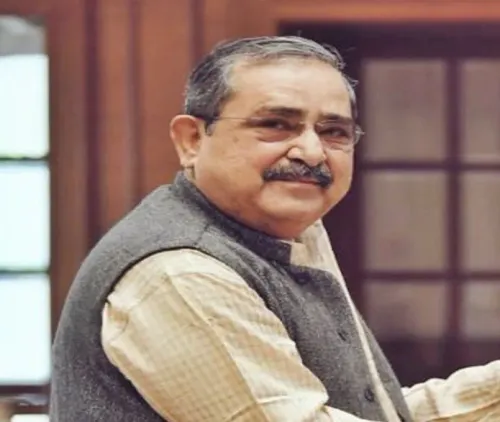
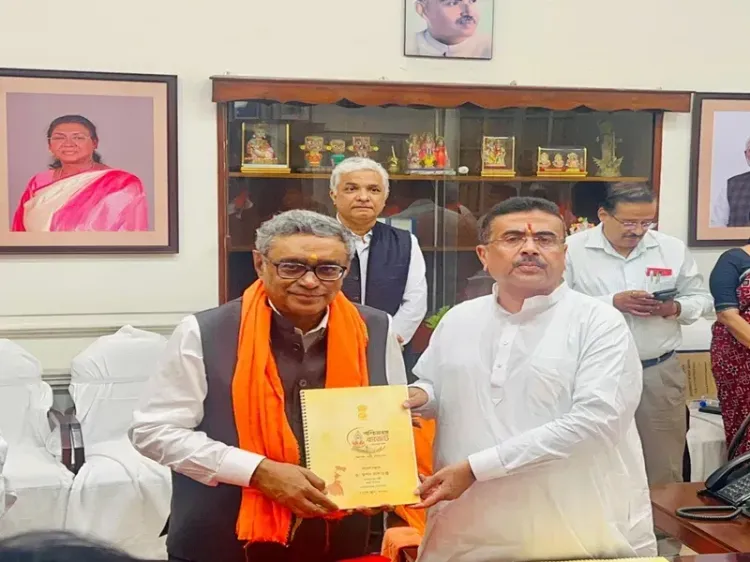
Chief Minister Adhikari outlined a three-pronged unemployment strategy after Finance Minister Swapan Dasgupta tabled the West Bengal Budget 2026-27 on 22 June .
State government recruitment will follow a UPSC-model transparent process.
A single-window clearance system is proposed for investments of ₹100 crore or above .
Dearness allowance for state employees and pensioners hiked by 20 percentage points , from 18% to 38% .
Opposition leader Ritabrata Banerjee flagged concerns over a steep cut in minority allocation and the risk of crony capitalism.
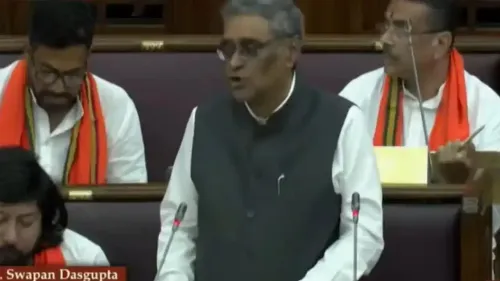
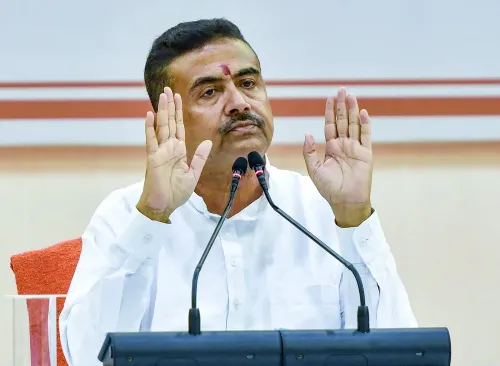
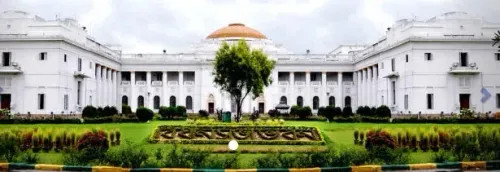
Chief Minister Adhikari on 22 June said the West Bengal Budget 2026-27, tabled in the state assembly by Finance Minister Swapan Dasgupta, directly addresses the state's unemployment crisis through a three-pronged strategy covering government recruitment, private investment, and self-employment. The BJP-led state government presented the budget earlier in the day in Kolkata.
The Three-Pronged Employment Strategy
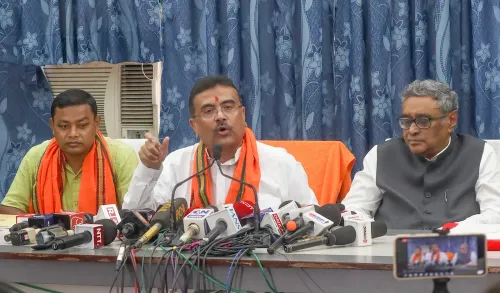
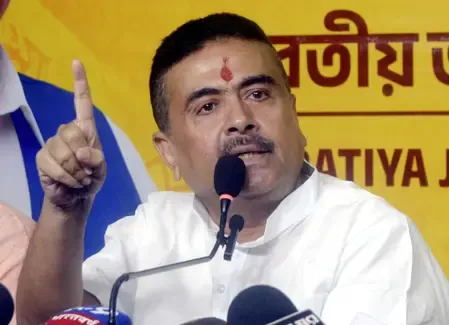
Speaking at a joint press conference with Finance Minister Dasgupta, Chief Minister Adhikari outlined the three pillars of the government's jobs approach. The first is expanding state government employment through a transparent recruitment process modelled on the Union Public Service Commission (UPSC) framework used in central government hiring. The second is attracting large-scale private investment to generate employment. The third is fostering self-employment by strengthening the micro and small enterprises sector.
'I have been speaking of this three-pronged strategy to address the unemployment issue for a long time. All these three aspects have been addressed in the Budget proposals tabled in the House today,' Adhikari said.
Ease of Doing Business and Investment Push
The budget proposals also prioritise improving the ease of doing business in West Bengal. A key measure is a proposed single-window clearance system for investments of ₹100 crore or above, aimed at cutting bureaucratic delays and making the state more attractive to large investors. This signals a deliberate shift toward positioning West Bengal as an investment-friendly destination under the new BJP administration.
DA Hike for State Employees and Pensioners
Among the most immediately impactful announcements is a 20-percentage-point hike in dearness allowance (DA) for state government employees and pensioners — from 18 per cent to 38 per cent. Both Adhikari and Dasgupta described this as only the first step toward bridging the long-standing gap between state and central government DA rates.
'Our next priority is to ensure that DA for state government employees and pensioners is brought at par with that of central government employees. The new state Finance Minister has taken charge only recently. He will need some time to understand the entire issue,' Adhikari said, appealing to employees for patience.
Opposition Response
Leader of the Opposition Ritabrata Banerjee said his party would not oppose the budget blindly but raised two specific concerns. He cautioned that ease-of-doing-business measures should not end up enabling crony capitalism. He also strongly objected to what he described as a steep cut in minority allocation. 'We shall fight it tooth and nail during the Budget discussion,' Banerjee said.
What to Watch Next
The budget will now go through assembly discussions, where the minority allocation cut is expected to be a flashpoint. The government's ability to operationalise the single-window investment clearance system and demonstrate transparency in UPSC-model recruitments will be closely watched as indicators of whether the three-pronged strategy moves beyond a policy statement.
Point of View
Not the press conference. The DA hike from 18% to 38% is significant in absolute terms, yet the gap with central government rates remains wide, and Adhikari's own appeal for patience suggests the fiscal headroom is constrained. The opposition's minority allocation objection is the budget's most combustible thread and could define the assembly debate more than any jobs headline.
NationPress
21 Sept 2026
Frequently Asked Questions
What is the three-pronged employment strategy in West Bengal Budget 2026-27?
The strategy has three parts: expanding state government jobs through a UPSC-model transparent recruitment process, attracting large private investments to create employment, and promoting self-employment by supporting micro and small enterprises. Chief Minister Adhikari outlined this at a press conference after the budget was tabled on 22 June.
What is the DA hike announced in the West Bengal Budget 2026-27?
The budget proposes a 20-percentage-point increase in dearness allowance for state government employees and pensioners, raising it from 18 per cent to 38 per cent. Both the Chief Minister and Finance Minister described it as the first step toward eventual parity with central government DA rates.
What is the single-window investment clearance proposed in the West Bengal Budget?
The budget proposes a government-run single-window system to provide all necessary clearances for investments of ₹100 crore or above. The measure is aimed at improving ease of doing business and attracting large-ticket investors to West Bengal.
What concerns did the opposition raise about the West Bengal Budget 2026-27?
Leader of the Opposition Ritabrata Banerjee raised two concerns: that ease-of-doing-business measures could enable crony capitalism, and that there has been a steep cut in minority allocation. He said the opposition would fight the minority allocation cut during budget discussions in the assembly.
How will state government recruitment change under the new West Bengal Budget?
Chief Minister Adhikari said state government recruitment will adopt the model followed by the Union Public Service Commission for central government hiring, emphasising a transparent process. This is intended to address long-standing concerns about opacity in state-level public sector hiring.