West Bengal budget session 2026: All-party meet called ahead of June 18 start
Synopsis
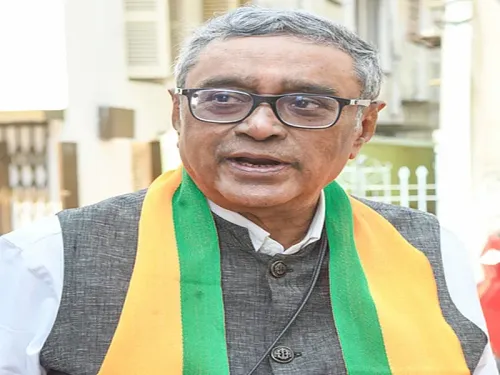
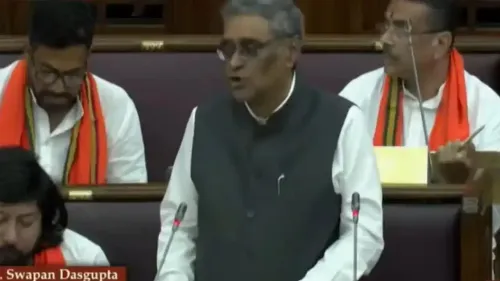
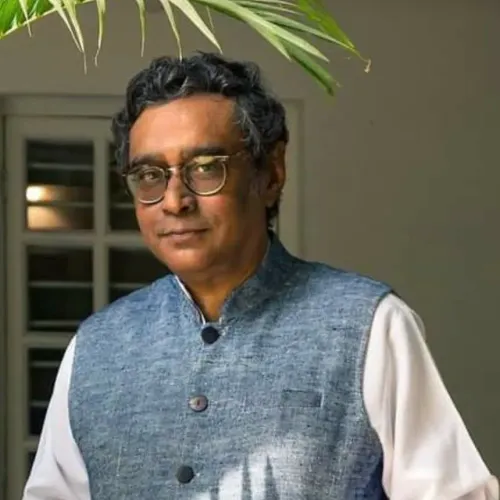
West Bengal's new Finance Minister Swapan Dasgupta — a journalist turned politician — is set to present the state's first full budget in over a year on 22 June, after elections forced an interim vote-on-account in February. With a cash-strapped exchequer and rising debt, his pledge to grow tax revenue without hiking rates sets up one of the most consequential state budgets in recent memory.
Key Takeaways
West Bengal Assembly Speaker Rathindra Bose convened an all-party meeting on 16 June 2026 ahead of the budget session.
The budget session begins on 18 June 2026 ; the full budget for 2026-27 will be presented on 22 June .
New Finance Minister Swapan Dasgupta , a journalist-turned-politician, has pledged to raise state tax revenue without hiking existing tax rates.
An interim vote-on-account was presented by Chandrima Bhattacharya on 5 February 2026 as Assembly elections were pending.
West Bengal's own tax revenue has historically been concentrated in SGST and state excise, according to economists.
The state faces a cash-strapped exchequer, rising accumulated debt, and high non-plan expenditure.
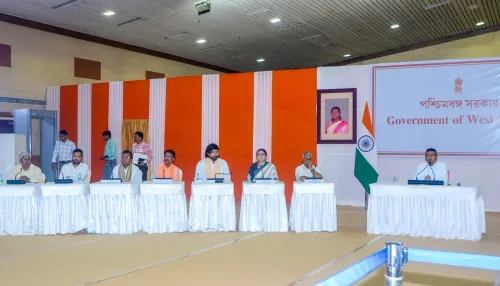
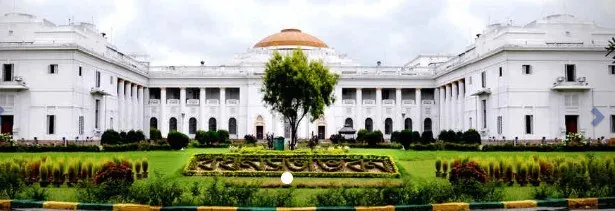
West Bengal Assembly Speaker Rathindra Bose on 16 June 2026 convened an all-party meeting of legislators on the Assembly premises in Kolkata to discuss the upcoming budget session, which is scheduled to commence on 18 June. The session will see new Finance Minister Swapan Dasgupta present the full budget for financial year 2026-27 on 22 June.
Why a Full Budget Now
The state had to defer its full budget earlier this year because of the West Bengal Assembly elections, held in two phases with results declared on 4 May 2026. On 5 February 2026, the then Minister of State for Finance (Independent Charge), Chandrima Bhattacharya, had presented an interim vote-on-account budget on the floor of the House — a stopgap measure to keep government finances running through the election period.
First Day Formalities
As per established legislative tradition, the House will be adjourned on the first day of the session — 18 June — following the obituary motion, before substantive proceedings begin. The full budget presentation is therefore set for 22 June.
What the New Finance Minister Has Said
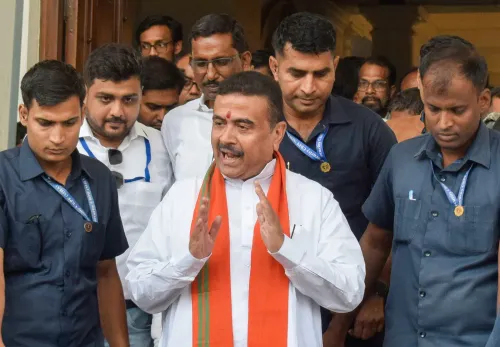
Dasgupta, a journalist-turned-politician who took charge of the state finance department last week, outlined his fiscal approach to reporters on 10 June 2026. He signalled a focus on expanding the tax base rather than raising rates.
'There is no logic that the state's own tax revenue can be increased just by increasing the tax rates. At times, even a reduction in the tax rate can increase tax revenue. So, my prime target is to increase the state's own tax revenue collection but without an upward revision in the existing tax rates,' Dasgupta said.
The Fiscal Challenge Ahead
Dasgupta inherits a challenging fiscal landscape. Economists had long flagged that under the previous Mamata Banerjee-led government, West Bengal's own tax revenue was concentrated in just two streams: State Goods and Services Tax (SGST) and state excise — leaving limited headroom for independent resource mobilisation. The state exchequer is reportedly cash-strapped, with rising accumulated debt and substantial non-plan expenditure adding to the pressure.
The new Finance Minister's stated approach — broadening the revenue base without additional tax burden on citizens — appears to directly address these structural concerns. Whether the 22 June budget translates that intent into concrete policy measures will be closely watched by both economists and the opposition.
Point of View
Not the rate' framing is fiscally sound in principle — but West Bengal's structural problem is not just the rate; it is the narrow base itself, heavily concentrated in SGST and excise. Expanding that base requires either new economic activity or better compliance enforcement, neither of which is a quick fix. The real test of this budget will be whether it lays out a credible multi-year revenue roadmap or remains at the level of intent. A state carrying rising accumulated debt and high non-plan expenditure cannot afford another budget that is long on aspiration and short on mechanism.
NationPress
21 Sept 2026
Frequently Asked Questions
When does the West Bengal Assembly budget session 2026 begin?
The West Bengal Assembly budget session begins on 18 June 2026. The first day will be limited to an obituary motion and adjournment, as per tradition, with the full budget presentation scheduled for 22 June 2026.
Who is presenting the West Bengal budget for 2026-27?
New Finance Minister Swapan Dasgupta will present the full budget for financial year 2026-27 on 22 June 2026. Dasgupta, a journalist-turned-politician, was recently allotted the state finance portfolio.
Why was a full budget not presented earlier in 2026?
The full budget was deferred because West Bengal Assembly elections were scheduled for April 2026. An interim vote-on-account was presented on 5 February 2026 by the then Minister of State for Finance, Chandrima Bhattacharya, to cover expenditure through the election period.
What is Swapan Dasgupta's stated approach to state finances?
Dasgupta has said his primary target is to increase West Bengal's own tax revenue without raising existing tax rates. He argued that broadening the revenue base — and in some cases even reducing rates — can yield higher collections than upward rate revisions.
What fiscal challenges does West Bengal face ahead of the budget?
West Bengal reportedly faces a cash-strapped exchequer, rising accumulated debt, and high non-plan expenditure. Economists have also flagged the state's heavy dependence on just two revenue streams — SGST and state excise — as a structural vulnerability.