West Bengal BJP budget 2025: Debt relief, tax reform and industrial revival on agenda
Synopsis
West Bengal's first BJP budget arrives with the state carrying a projected debt of ₹8.15 lakh crore by 2027 — up from ₹1.99 lakh crore in 2011. Finance Minister Swapan Dasgupta has promised higher tax revenues without raising rates, but the real test is whether he tackles the land and SEZ policy barriers that have kept big-ticket investment out of Bengal for decades.
Key Takeaways
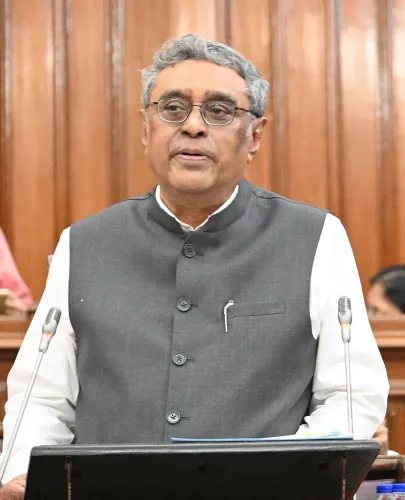
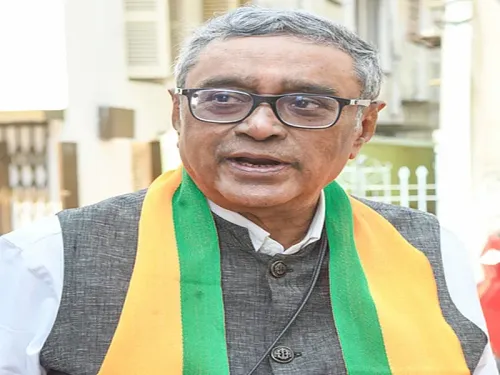
Finance Minister Swapan Dasgupta presents West Bengal 's first BJP full budget on 22 June at 12 noon IST .
Dasgupta has pledged to raise state own-tax revenue without increasing existing tax rates , focusing on new revenue channels.
The state finance department has already mandated advance payment of excise duties by liquor manufacturers and breweries to curb corruption.
West Bengal's accumulated debt is projected to hit ₹8.15 lakh crore by 31 March 2027 , up from ₹1.99 lakh crore in 2011 .
Industry observers are watching for reforms to the Urban Land (Ceiling and Regulation) Act, 1976 and the state's no-SEZ policy to unlock industrial investment.
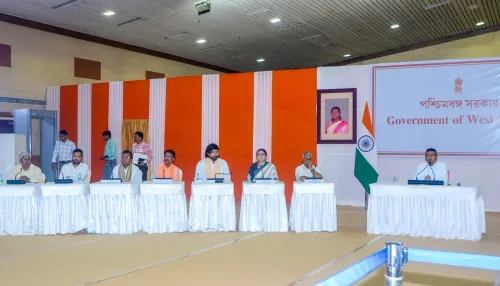
The previous interim budget was presented by Chandrima Bhattacharya on 5 February ; the new government was sworn in after election results on 4 May .
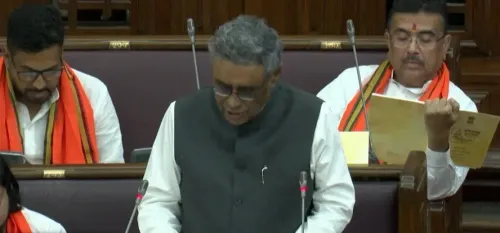
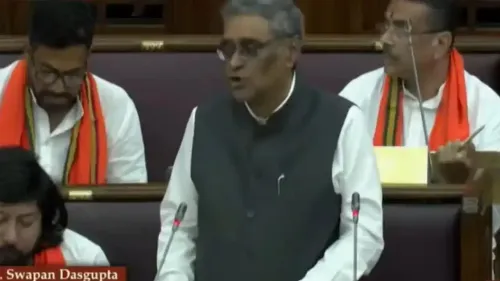
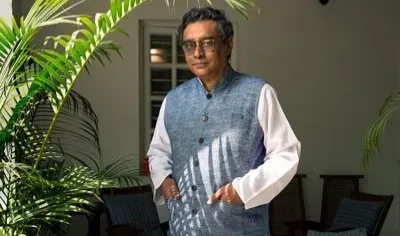
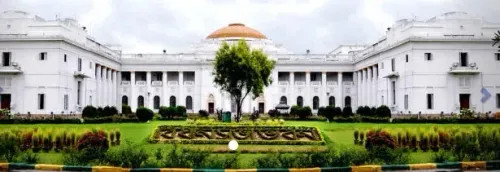
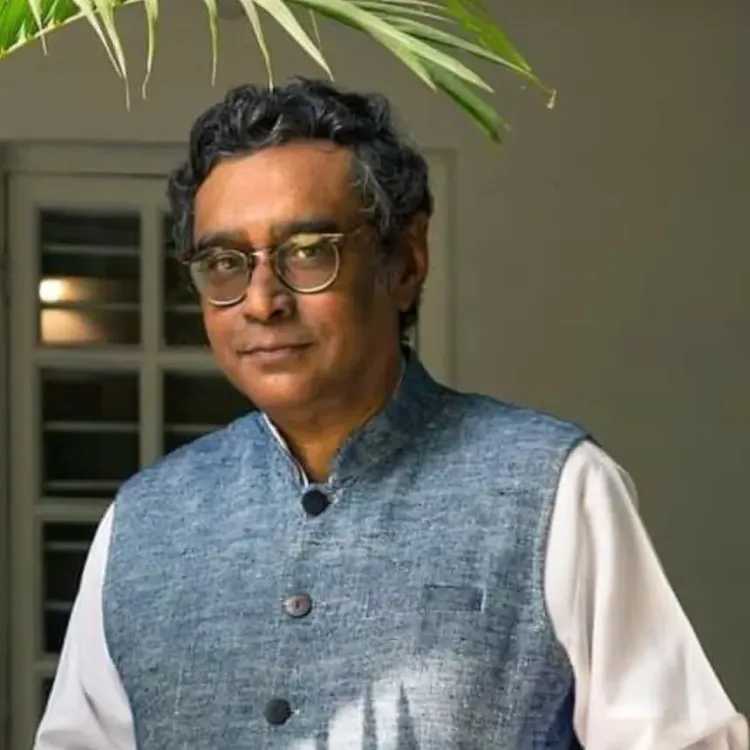
West Bengal Finance Minister Swapan Dasgupta is set to present the first full budget of the Bharatiya Janata Party (BJP) government in the state on the floor of the West Bengal Legislative Assembly on Monday, 22 June, beginning at 12 noon IST. The maiden budget comes amid acute expectations of measures to widen the state's own tax revenue base, rein in a ballooning debt pile, and overhaul investment policies to attract large-scale industrial capital.
Dasgupta's Tax Revenue Pledge
The journalist-turned-politician has moved quickly to calm pre-budget anxieties among citizens. Dasgupta stated categorically that his primary goal is to raise the state's own tax collection without increasing existing tax rates. 'So, my prime target is to increase the state's own tax revenue collection but without an upward revision in the existing tax rates,' he said.
Economic advisors broadly endorse the logic. They argue that diversifying revenue channels — rather than squeezing harder from the existing ones — can deliver higher collections without burdening taxpayers. During the preceding Mamata Banerjee-led government, economists had long criticised the state's over-dependence on just two revenue heads: State Goods and Services Tax (SGST) and state excise.
Excise Reform Already Under Way
Even before tabling the budget, Dasgupta has moved on one front. The state finance department last week issued a notification making advance payment of all state excise-related duties mandatory for liquor manufacturers, breweries, and bottling plants. Under the new system, all such units must settle relevant excise duties in full before any product leaves the manufacturing facility.
The measure is designed to seal corruption loopholes in excise collection and boost revenue predictability — a direct response to complaints about leakages under the previous administration.
The Debt Crisis: A Formidable Challenge
The most pressing fiscal challenge facing the new government is West Bengal's accumulated debt burden, which is projected to reach ₹8.15 lakh crore by 31 March 2027. For context, the state's debt stood at just ₹1.99 lakh crore on 31 March 2011 — the final year of the 34-year Left Front regime — meaning the liability has grown more than fourfold in roughly sixteen years.
Economists argue that addressing this requires a twin-track approach: higher own-tax revenue generation combined with significant curtailment of non-Plan and revenue expenditure. Whether Dasgupta's maiden budget delivers credible reform on both counts will be closely watched by markets and rating agencies.
Industrial Revival: Land and SEZ Policies in Focus
Attracting large-scale investment — in both manufacturing and services — will require structural policy changes, according to industry observers. Two land-policy reforms are considered essential: the repeal of the Urban Land (Ceiling and Regulation) Act, 1976 and the removal of the existing bar on state involvement in land acquisition for industry.
The current prohibition on state-facilitated land procurement has been a major deterrent, given West Bengal's highly fragmented land-holding structure. 'Amid this policy, the investor was unwilling to come forward with big-ticket investment in the state which required a huge plot of land at one go and take the trouble of negotiating with individual land owners,' a Kolkata-based industry observer noted.
Separately, the state's longstanding 'no Special Economic Zone' stance has kept away investment in the Information Technology Enabled Services (ITeS) sector. Industry observers are watching closely to see whether today's budget signals a reversal on SEZ policy.
Background: From Interim Budget to Full Budget
The previous Minister of State for Finance (Independent Charge), Chandrima Bhattacharya, had presented an interim vote-on-account budget on 5 February this year, as the full budget could not be tabled ahead of the West Bengal Assembly elections. Election results were declared on 4 May, following which the new BJP government was sworn in. Today's full budget is therefore the first comprehensive statement of the new administration's fiscal priorities.
How Dasgupta balances revenue ambition with investor-friendly reform — and whether he offers a credible debt-reduction roadmap — will set the tone for the BJP government's economic governance in Bengal for years ahead.
Point of View
A narrow tax base, and investment policies that have made the state a byword for capital flight. Dasgupta's promise to raise revenues without hiking rates is politically smart but technically demanding — it requires opening new collection channels, not just tightening old ones. The real accountability test will come on land and SEZ policy: these are the reforms that past governments, including the Left Front and Trinamool Congress, consistently deferred because they are politically costly. If today's budget sidesteps them again, the industrial revival narrative will remain aspirational rather than actionable.
NationPress
20 Sept 2026
Frequently Asked Questions
What is the West Bengal budget 2025 and who is presenting it?
The West Bengal budget 2025 is the first full state budget presented by the new BJP government, tabled by Finance Minister Swapan Dasgupta on 22 June in the state Legislative Assembly. It follows an interim vote-on-account budget presented in February by the previous Trinamool Congress administration.
What is West Bengal's current debt burden?
West Bengal's accumulated debt is projected to reach ₹8.15 lakh crore by 31 March 2027, compared to ₹1.99 lakh crore on 31 March 2011, the final year of the Left Front government. The more-than-fourfold rise over sixteen years is the central fiscal challenge facing the new BJP administration.
How does Finance Minister Dasgupta plan to raise tax revenue without increasing tax rates?
Dasgupta has argued that revenue can be increased by diversifying tax collection channels rather than raising existing rates. He has already initiated advance payment of state excise duties by manufacturers and breweries to curb leakages and improve revenue predictability.
What land and SEZ policy changes are investors expecting from the budget?
Industry observers are calling for the repeal of the Urban Land (Ceiling and Regulation) Act, 1976, removal of the bar on state-facilitated land acquisition for industry, and a reversal of the state's no-Special Economic Zone policy — particularly to attract ITeS sector investment.
Why was a full budget not presented earlier in West Bengal?
The full budget could not be presented before the West Bengal Assembly elections, so an interim vote-on-account was tabled by then Finance Minister Chandrima Bhattacharya on 5 February. After election results were declared on 4 May and the new BJP government was sworn in, today's budget is the first comprehensive fiscal statement of the new administration.