West Bengal Budget 2026-27: Revenue, fiscal deficits fall but debt tops ₹8.15 lakh crore
Synopsis
West Bengal's first BJP-led Budget projects a near-halving of the revenue deficit and a narrowing fiscal deficit for 2026-27 — but the headline challenge is an inherited debt pile of over ₹8.15 lakh crore, four times what the Left Front left behind in 2011. Finance Minister Swapan Dasgupta's opening gambit is consolidation, but the debt trajectory will define his government's fiscal credibility.
Key Takeaways
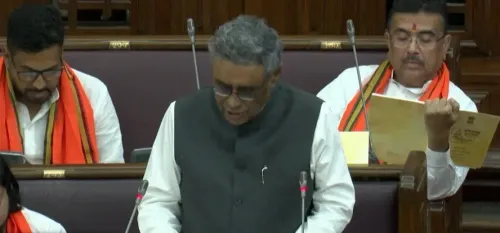
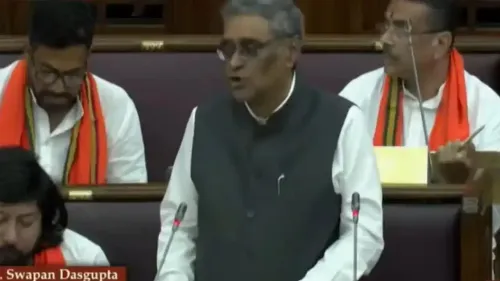
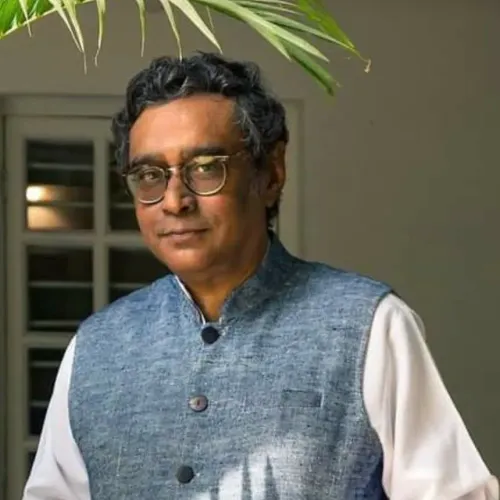
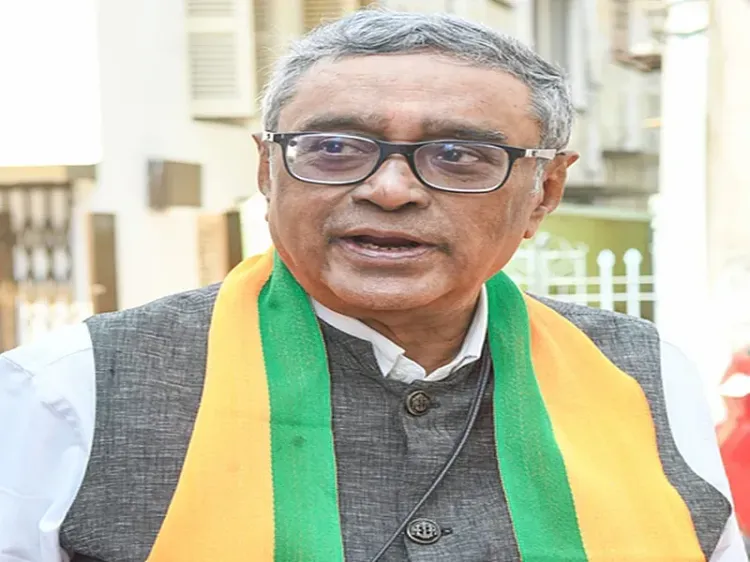
Finance Minister Swapan Dasgupta presented West Bengal's first full BJP Budget on 22 June 2026 for the financial year 2026-27 .
Revenue deficit projected at ₹21,984.41 crore ( 1.02% of GSDP ), down sharply from ₹41,164.05 crore in revised estimates for 2025-26.
Fiscal deficit estimated at ₹62,421.37 crore ( 2.91% of GSDP ), lower than ₹67,773.98 crore in the previous year's revised estimates.
Accumulated state debt set to rise marginally to ₹8,15,891.35 crore by 31 March 2027 , up from ₹7,62,326.6 crore as of 31 March 2026 .
Debt grew from approximately ₹1.99 lakh crore in 2010-11 to ₹8.15 lakh crore over 15 years of TMC rule, according to government data.
West Bengal Finance Minister Swapan Dasgupta on Monday, 22 June presented the state's first full Budget under a Bharatiya Janata Party (BJP)-led government since Independence, projecting a significant narrowing of both the revenue deficit and fiscal deficit for 2026-27 — even as the state's accumulated debt is set to rise marginally to ₹8,15,891.35 crore by 31 March 2027.
Key Deficit Numbers
The revenue deficit for 2026-27 is estimated at ₹21,984.41 crore, equivalent to 1.02 per cent of the Gross State Domestic Product (GSDP). This marks a sharp improvement from the revised estimate of ₹41,164.05 crore for the previous financial year 2025-26 — a reduction of nearly half in absolute terms.
The fiscal deficit is projected at ₹62,421.37 crore, or 2.91 per cent of GSDP, down from ₹67,773.98 crore as per the revised estimates for 2025-26. A decline in both absolute figures signals an improvement in the state's near-term fiscal health.
The Debt Burden West Bengal Inherited
Despite the improvement in deficits, the state's total accumulated debt is projected to rise marginally — from ₹7,62,326.6 crore as on 31 March 2026 to ₹8,15,891.35 crore by 31 March 2027, according to the Budget estimates.
Opening his Budget speech, Dasgupta reminded the state assembly that the BJP-led government had assumed office with an inherited debt of over ₹8.15 lakh crore — a figure that critics attribute squarely to the preceding All India Trinamool Congress (TMC) administration under former Chief Minister Mamata Banerjee.
How the Debt Accumulated Under TMC
In 2010-11 — the final year of the 34-year Left Front rule in West Bengal — the state's accumulated debt stood at approximately ₹1.99 lakh crore. Over the subsequent 15 years of TMC governance, that figure reportedly ballooned to around ₹8.15 lakh crore, a more than four-fold increase.
Critics of the Banerjee-era administration argue that the steep rise was driven by an alleged reliance on market borrowings to fund non-plan and revenue expenditures — spending that does not generate commensurate economic returns. The BJP government has positioned the inherited debt as the central fiscal challenge it must now manage.
What This Budget Signals
The 2026-27 Budget represents the BJP's first opportunity to set the fiscal direction for West Bengal after a historic electoral breakthrough in a state that had been out of its reach since Independence. The projected improvement in deficit ratios suggests an early pivot toward consolidation, though the rising debt stock means the full scale of the fiscal challenge remains.
Whether the government can sustain deficit reduction while meeting development spending commitments — and begin unwinding the inherited debt trajectory — will be the defining fiscal test of its term.
Point of View
And for good reason. A four-fold rise in accumulated debt over 15 years of TMC rule is a structural problem that cannot be unwound in a single Budget cycle. The projected deficit improvements are real, but they are incremental against a debt stock that now exceeds ₹8 lakh crore. The harder question — whether the new government will break the pattern of borrowing to fund revenue spending, or simply inherit and continue it — is one this Budget does not yet fully answer.
NationPress
21 Sept 2026
Frequently Asked Questions
What are the key deficit numbers in West Bengal's Budget 2026-27?
The revenue deficit is projected at ₹21,984.41 crore (1.02% of GSDP), down from ₹41,164.05 crore in the 2025-26 revised estimates. The fiscal deficit is estimated at ₹62,421.37 crore (2.91% of GSDP), lower than ₹67,773.98 crore the previous year.
How much debt has West Bengal accumulated, and who is responsible?
West Bengal's accumulated debt is projected to reach ₹8,15,891.35 crore by 31 March 2027. The BJP government attributes the bulk of this burden to the preceding 15-year TMC administration, during which debt reportedly rose from around ₹1.99 lakh crore in 2010-11 to over ₹8.15 lakh crore.
Who presented the West Bengal Budget 2026-27?
State Finance Minister Swapan Dasgupta presented the Budget on 22 June 2026. It is the first full Budget of the BJP-led government in West Bengal — the first such government in the state since Independence.
Why is the TMC government being criticised over West Bengal's debt?
Critics allege that the Mamata Banerjee-led TMC administration relied heavily on market borrowings to fund non-plan and revenue expenditures — spending that does not generate direct economic returns. This approach is cited as the primary driver of the state's debt ballooning more than four-fold over 15 years.
Does the improved deficit in 2026-27 mean West Bengal's finances are on track?
The narrowing of both the revenue and fiscal deficit is a positive signal, but the accumulated debt continues to rise marginally. Sustained fiscal consolidation over multiple years will be needed before the overall debt trajectory can be considered under control.