Power Minister Khattar pushes indigenisation at CII roundtable
Synopsis
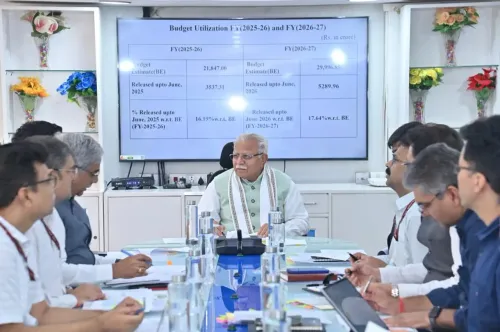
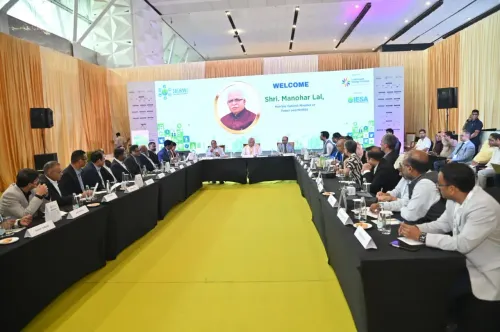
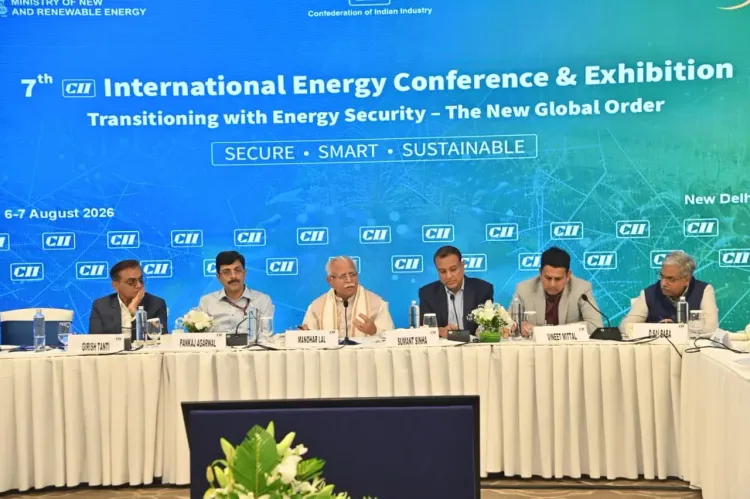
Union Power Minister Manohar Lal Khattar addressed a CII Industry Roundtable on 6 August 2026, calling on energy sector leaders to accelerate indigenisation of critical power equipment, scale R&D, adopt AI, strengthen cybersecurity, and build globally competitive manufacturing capacity under the Make in India vision.
Key Takeaways
Union Power Minister Manohar Lal Khattar addressed a CII Industry Roundtable on 6 August 2026 , engaging top energy sector representatives.
Khattar highlighted 12 years of historic transformation in India's energy landscape and credited industry as a key partner.
He called for faster indigenisation of critical electrical power equipment and fresh investment in R&D .
The minister stressed adoption of artificial intelligence and robust cybersecurity frameworks for the power grid.
He reaffirmed the government's commitment to industry-friendly policy support, regulatory reform, and institutional backing for the energy sector.
The push aligns with the Make in India and Atmanirbhar Bharat frameworks targeting self-reliance in strategic manufacturing.
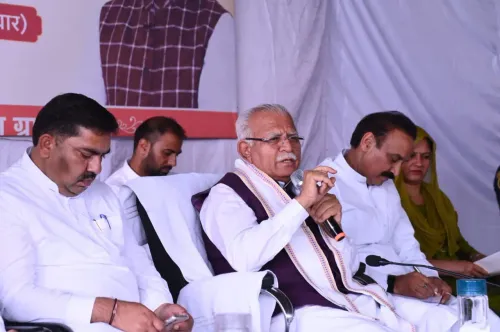
India's power sector got a direct call to action on Thursday, 6 August 2026, when Union Power Minister Manohar Lal Khattar convened a high-level industry roundtable with the Confederation of Indian Industry (CII), pressing energy sector leaders to accelerate domestic manufacturing, deepen R&D investment, and build world-class technology solutions — entirely within India's borders.
Speaking at the CII Industry Roundtable, Khattar acknowledged the 'historic transformation' India's energy landscape has undergone over the last 12 years, crediting industry as a central partner in those gains. But the minister made clear the next chapter demands more: faster indigenisation of critical power equipment, fresh momentum in research and development, and manufacturing capabilities that can compete on a global stage — all aligned with the Make in India vision.
The indigenisation push — and why it matters now
India's power sector has long carried a structural vulnerability: significant dependence on imported equipment for transformers, switchgear, cables, and advanced grid components. The Atmanirbhar Bharat framework, announced in 2020, put self-reliance in strategic sectors firmly on the policy agenda, and Khattar's remarks at the CII forum signal that the Ministry of Power intends to hold industry to that commitment. His call to 'accelerate indigenisation of critical electrical equipment' is not ceremonial — it is a direct challenge to manufacturers to reduce import exposure in a sector that underpins every other industry in the country.AI, cybersecurity, and the grid of the future
Khattar went beyond steel and copper. He placed particular emphasis on artificial intelligence, robust cybersecurity frameworks, and India-developed technological solutions for the power grid. As grids grow smarter — integrating renewables, managing two-way flows, and handling real-time demand signals — their digital attack surface expands in tandem. The minister's explicit stress on cybersecurity alongside AI adoption reflects a growing official recognition that energy security is now as much a software problem as a hardware one.Government's commitment to industry-friendly reform
Khattar closed with a clear signal on regulatory intent. The central government, he said, will remain a 'strong partner' to industry — ready to deliver 'effective and industry-friendly solutions' on policy support, regulatory reform, or institutional backing wherever needed. That framing — government as enabler, not gatekeeper — is consistent with the broader reform posture the Ministry of Power has maintained through successive rounds of tariff rationalisation and grid modernisation. With indigenisation targets and follow-up regulatory announcements now firmly in the spotlight, the real test will be whether Thursday's roundtable produces binding commitments — or remains a well-attended conversation.Point of View
Reflecting how deeply smart-grid ambitions have entered mainstream power policy. The 'government as strong partner' framing is also deliberate — it positions regulatory reform as conditional on industry stepping up on indigenisation, creating a reciprocal accountability the ministry can point to in future negotiations. Watch for follow-up procurement policy changes or revised indigenisation content mandates from the Ministry of Power.
NationPress
6 Aug 2026
Frequently Asked Questions
What did Manohar Lal Khattar say at the CII roundtable in August 2026?
Khattar called on energy industry leaders to accelerate indigenisation of critical power equipment, boost R&D, adopt AI and cybersecurity solutions, and build globally competitive manufacturing under the Make in India vision. He also pledged government support through policy and regulatory reform.
What is the CII Industry Roundtable on the power sector?
The Confederation of Indian Industry (CII) convenes periodic industry roundtables that bring together government ministers and senior business leaders to align on policy priorities, regulatory challenges, and sector-specific goals — in this case, India's energy sector.
Why is indigenisation of power equipment important for India?
India has historically relied on imported equipment for key grid components. Indigenisation reduces this dependence, lowers costs, strengthens supply-chain resilience, and supports the broader Atmanirbhar Bharat goal of self-reliance in strategic sectors.
How does AI fit into India's power sector plans?
As India's grid integrates more renewables and smart infrastructure, AI can optimise demand forecasting, fault detection, and grid management. Khattar's remarks signal that the Ministry of Power wants India-developed AI solutions — not just imported technology — driving this transition.
What is Make in India's role in the energy sector?
Launched in 2014, Make in India aims to position India as a global manufacturing hub. In the energy sector, it translates into targets for domestic production of transformers, cables, switchgear, and other critical equipment, reducing import bills and creating industrial jobs.