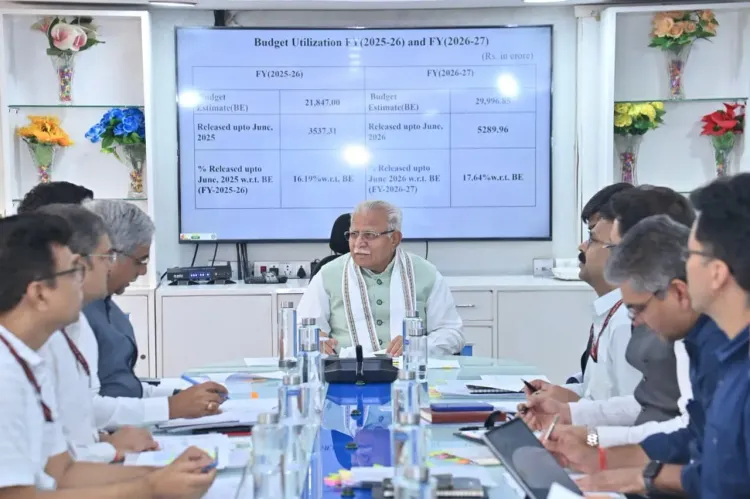
Khattar Chairs Power Ministry Budget Review for FY 2026-27
Synopsis
Union Power Minister Manohar Lal Khattar on 10 July 2026 chaired a comprehensive budget review for FY 2026-27, focusing on scheme-wise expenditure, resource efficiency, and sustaining the momentum of India's ongoing power sector reforms.
Key Takeaways
Union Power Minister Manohar Lal Khattar chaired a budget review meeting for FY 2026-27 on 10 July 2026 .
The meeting assessed overall budget utilisation and scheme-wise expenditure across the Ministry of Power .
Key focus areas included efficient resource deployment and timely implementation of flagship power programmes.
The review is part of the Ministry's standard cycle of linking fund releases to reform milestones and physical progress.
Major schemes under review include the Revamped Distribution Sector Scheme (RDSS) , which supports DISCOM modernisation and smart metering.
Quarterly scheme-wise utilisation certificates and parliamentary demand-for-grants scrutiny are the next accountability checkpoints.
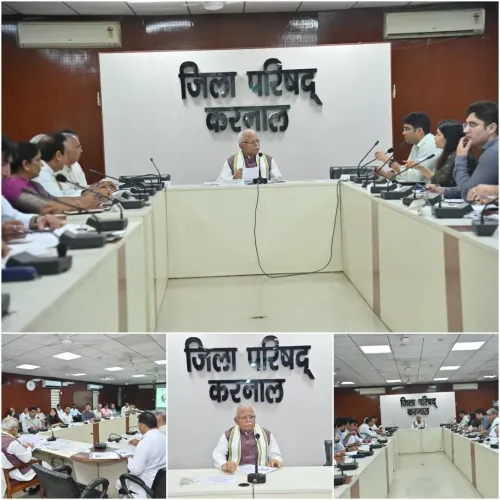
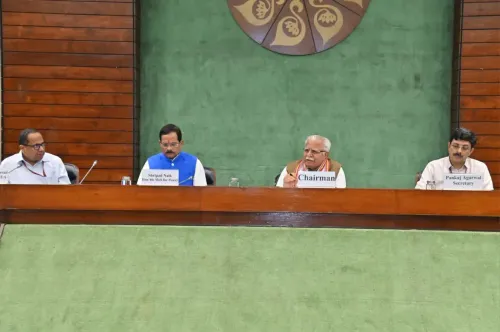
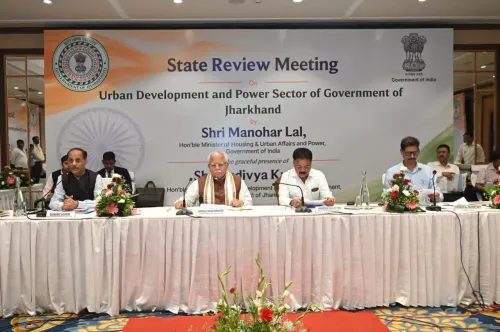
Union Power Minister Manohar Lal Khattar on Friday, 10 July 2026, chaired a comprehensive review meeting on the Ministry of Power's budget for FY 2026-27, examining overall budget utilisation and scheme-wise expenditure to ensure efficient deployment of resources across India's power sector.
Context
Khattar, in a post on X, stated that the meeting involved 'detailed deliberations focused on ensuring efficient deployment of resources, timely implementation of key programmes, and maintaining the momentum of reforms to strengthen India's power sector.' The review covered both aggregate budget utilisation and granular scheme-level expenditure patterns for the current fiscal year.
Such mid-year budget reviews are a standard part of the Ministry of Power's internal governance cycle, designed to keep central sector scheme spending on track with fiscal allocations approved in the Union Budget. They also serve as a mechanism to flag underutilisation or implementation bottlenecks before year-end.
Policy Backdrop
India's power sector has been shaped by a series of reform milestones over two decades. The Electricity Act 2003 established the foundational legal framework for unbundling state electricity boards and introducing competition in generation and distribution. Subsequent interventions targeted the financial health of distribution companies: the Ujjwal DISCOM Assurance Yojana (UDAY), launched in 2015, restructured the debts of state distribution companies and aimed to reduce aggregate technical and commercial losses.
More recently, the Revamped Distribution Sector Scheme (RDSS), approved in 2021, provides conditional financial assistance to state DISCOMs for infrastructure modernisation and smart metering rollout. Fund releases under RDSS are linked to reform milestones and physical progress, making budget review meetings a critical checkpoint in the scheme's implementation architecture.
Successive governments have prioritised reduction of AT&C (Aggregate Technical and Commercial) losses, expansion of renewable energy capacity, and the goal of 24x7 power availability through targeted expenditure on transmission and distribution networks. The current review fits squarely within this long-standing policy pattern.
Stakeholders and Impact
State DISCOMs are the primary operational stakeholders, as the pace of fund releases from central schemes depends directly on their compliance with reform conditions and expenditure reporting. Delays or gaps identified in a budget review can lead to accelerated fund disbursals or, conversely, corrective conditionalities being imposed.
Power consumers across states stand to benefit indirectly: efficient budget utilisation in distribution infrastructure translates into reduced outages, better metering, and more reliable supply. State governments, which co-own DISCOMs in most cases, are also closely watched for their counterpart funding contributions and reform commitments.
What's Next
The Ministry of Power is expected to track quarterly scheme-wise utilisation certificates as FY 2026-27 progresses, with parliamentary scrutiny of the detailed demand-for-grants providing another layer of accountability. The outcome of this review may influence the pace of fund releases to states in the coming quarters.
With the power sector remaining central to India's infrastructure and economic growth agenda, how efficiently the FY 2026-27 budget is deployed will be a key indicator of whether reform momentum — built over more than two decades — is being sustained at the implementation level.
Point of View
While routine in the governance calendar, signals the Ministry of Power's intent to keep reform-linked expenditure on track in a fiscal year that carries significant infrastructure commitments. The emphasis on 'maintaining the momentum of reforms' is notable — it places the current administration in continuity with a multi-government reform arc stretching back to the Electricity Act 2003, rather than framing this as a fresh initiative. For state DISCOMs, the review is a reminder that central fund flows remain conditional on reform compliance, sustaining pressure on states to deliver on metering, loss-reduction, and financial turnaround targets. The meeting's timing — early in the second quarter of FY 2026-27 — suggests the Ministry is prioritising course-correction before mid-year rather than waiting for year-end shortfalls.
NationPress
10 Oct 2026
Frequently Asked Questions
What did Manohar Lal Khattar review in his 10 July 2026 meeting?
Khattar chaired a comprehensive review of the Ministry of Power's budget for FY 2026-27, covering overall budget utilisation and scheme-wise expenditure to ensure efficient resource deployment and timely programme implementation.
What is the Revamped Distribution Sector Scheme (RDSS)?
The RDSS, approved in 2021, provides conditional financial assistance to state electricity distribution companies (DISCOMs) for infrastructure upgrades and smart metering, with fund releases tied to reform milestones.
Why does the Ministry of Power hold budget review meetings?
These reviews are part of the Ministry's governance cycle to monitor central scheme spending against Union Budget allocations, identify bottlenecks, and ensure fund releases align with physical and reform progress by states.
Which stakeholders are most affected by the Ministry of Power's budget review?
State DISCOMs are the primary stakeholders, as fund releases depend on their reform compliance. Power consumers and state governments are also affected, since efficient expenditure directly impacts electricity supply quality.
What happens after the Ministry of Power budget review?
The Ministry tracks quarterly scheme-wise utilisation certificates from states, and the detailed demand-for-grants is subject to parliamentary scrutiny, both serving as accountability mechanisms for FY 2026-27 expenditure.