Khattar Concludes 'Productive' Visit to Mizoram
Synopsis
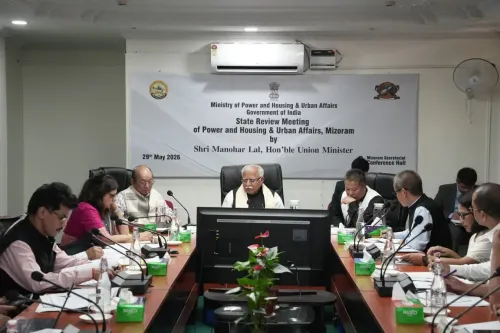
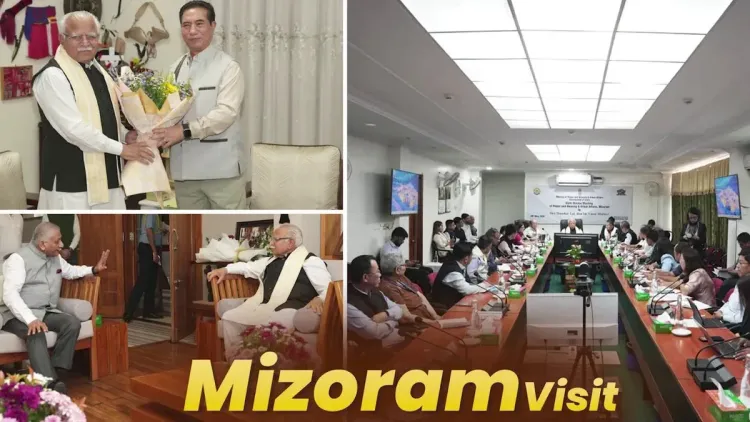
Union Power Minister Manohar Lal Khattar called his 30 May 2026 visit to Mizoram 'extremely productive,' spotlighting the Centre's sustained push to upgrade power distribution and urban infrastructure in the northeastern state under the RDSS and allied schemes.
Key Takeaways
Union Power Minister Manohar Lal Khattar visited Mizoram on 30 May 2026 , describing it as 'extremely productive.' Khattar holds dual portfolios: Power and Housing and Urban Affairs , both directly relevant to Mizoram's development gaps.
The Revamped Distribution Sector Scheme (RDSS) , launched in 2021 , includes dedicated components for northeastern states to improve supply reliability and enable smart metering.
The North Eastern Region Power System Improvement Project (approved 2016 ) laid the groundwork for ongoing transmission and distribution upgrades in Mizoram.
The visit aligns with India's Act East Policy , which frames northeastern infrastructure development as a national energy security and connectivity priority.
RDSS state-wise progress reports are expected in the next parliamentary session, with potential follow-up funding announcements for Mizoram.
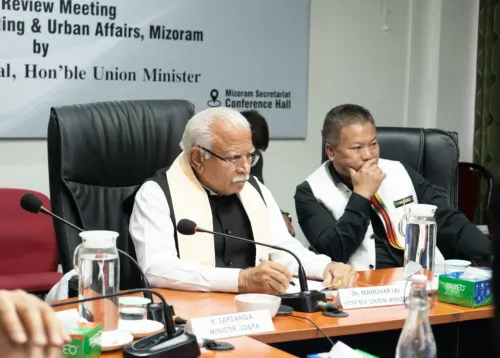
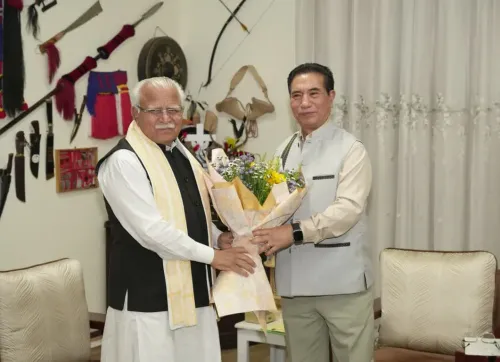
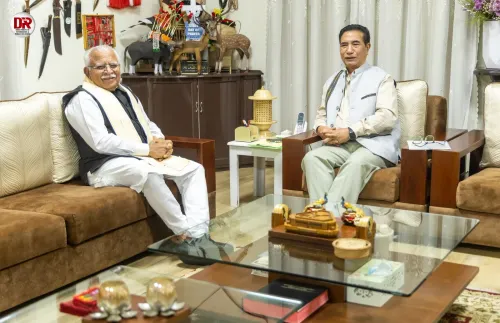
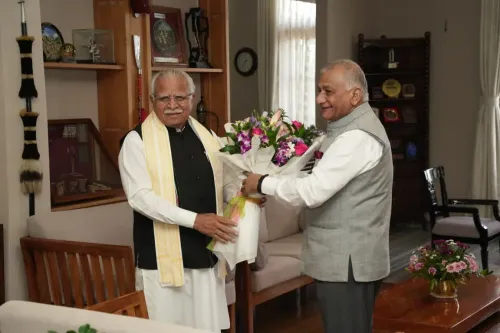
Union Power Minister Manohar Lal Khattar on Saturday, 30 May 2026, shared highlights from what he described as an 'extremely productive' visit to Mizoram, signalling continued central government engagement with the northeastern state on power and urban infrastructure priorities.
Context
Khattar, who holds the portfolios of Power and Housing and Urban Affairs, posted on X that the visit had been 'extremely productive,' though specific project details were shared via an accompanying video. The visit underscores the Union government's sustained focus on aligning Mizoram's state-level development agenda with national schemes.
Mizoram, a hilly northeastern state bordering Myanmar and Bangladesh, has historically faced challenges in grid connectivity and urban infrastructure — areas that fall squarely within Khattar's ministerial mandate.
Policy Backdrop
The visit fits into a well-established policy framework. The North Eastern Region Power System Improvement Project, approved in 2016, was designed to upgrade intra-state transmission and distribution networks across northeastern states including Mizoram.
Building on that foundation, the Revamped Distribution Sector Scheme (RDSS), launched in 2021, includes dedicated components for northeastern states aimed at improving supply reliability, reducing aggregate technical and commercial losses, and integrating renewable energy into the regional grid. Smart metering and feeder separation are among the scheme's core deliverables for states like Mizoram.
On the urban side, the Ministry of Housing and Urban Affairs has coordinated funding and capacity-building under AMRUT-aligned initiatives for smaller northeastern cities, where urban local bodies often lack the technical and financial capacity to independently execute large projects.
Stakeholders and Impact
The primary beneficiaries of improved power and urban infrastructure in Mizoram are its approximately 13 lakh residents, who have long contended with supply interruptions and limited urban amenities relative to mainland Indian cities. State distribution companies (discoms) stand to gain upgraded infrastructure and central funding support to reduce losses.
Urban local bodies in Mizoram's towns — including the state capital Aizawl — are key institutional stakeholders, as housing and urban development projects require close coordination between central ministries and municipal administrations. A productive ministerial visit typically precedes the release of project approvals or funding tranches, making such engagements consequential for state planners.
The visit also carries strategic significance beyond the state. Successive central governments have framed northeastern development as integral to India's Act East Policy, treating improved connectivity and energy security in border states as both a welfare imperative and a geopolitical priority.
What's Next
State-wise RDSS implementation progress reports are expected to be tabled in the next parliamentary session, which will offer a clearer picture of how Mizoram has absorbed central funds and met scheme benchmarks. Any follow-up announcements of fresh central allocations for Mizoram's power or housing projects would be the concrete outcome to watch from this visit.
With the Union government's northeastern infrastructure push continuing at pace, Khattar's Mizoram visit is likely to be followed by coordinated action between the state government and central agencies to advance projects already in the pipeline.
Point of View
Where ministerial engagements are used to signal political commitment to a region that has historically felt peripheral to national policymaking. With RDSS implementation at a critical mid-course stage, a Union minister's on-ground visit typically precedes project acceleration or funding unlocks, lending the trip operational weight beyond optics. The dual-portfolio dimension — Power and Housing — means Khattar can address both grid and urban deficits in a single visit, a coordination advantage that earlier single-ministry visits lacked. Sustained central attention to Mizoram also serves India's Act East connectivity agenda, making infrastructure investment here as much a geopolitical signal as a welfare measure.
NationPress
14 Oct 2026
Frequently Asked Questions
Why did Manohar Lal Khattar visit Mizoram in May 2026?
Khattar visited Mizoram in his capacity as Union Minister of Power and Housing and Urban Affairs to review and advance central government infrastructure projects in the state, including those under the Revamped Distribution Sector Scheme.
What is the Revamped Distribution Sector Scheme and how does it affect Mizoram?
The RDSS is a central scheme launched in 2021 to modernise power distribution, reduce losses and fund smart metering. It has dedicated components for northeastern states like Mizoram to improve supply reliability and integrate renewable energy.
What infrastructure challenges does Mizoram face in the power sector?
Mizoram's hilly terrain, limited grid connectivity and historically high aggregate technical and commercial losses have made it one of the more challenging states for power distribution, prompting targeted central interventions since at least 2016.
What is the North Eastern Region Power System Improvement Project?
Approved in 2016, this central project was designed to upgrade intra-state transmission and distribution networks across northeastern states including Mizoram, forming the policy foundation for subsequent schemes like the RDSS.
What should we watch for after Khattar's Mizoram visit?
Key things to watch include RDSS state-wise progress reports expected in the next parliamentary session and any follow-up central funding announcements specifically for Mizoram's power and urban housing projects.