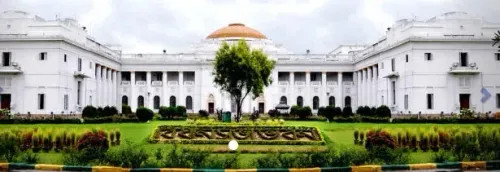
West Bengal Assembly budget session from June 18, full budget on June 22
Synopsis
West Bengal's first BJP-led government since Independence will present its maiden full budget on 22 June — inheriting a state exchequer burdened with over ₹7 lakh crore in accumulated debt and runaway recurring expenditure. The budget's credibility will hinge on whether it offers a genuine fiscal plan or simply mirrors election promises.
Key Takeaways
The West Bengal Assembly budget session opens on 18 June , with the full budget scheduled for 22 June .
New Speaker Rathindra Bose made the announcement on Friday after taking oath as Speaker.
This will be the first full budget presented by a BJP -led West Bengal government since Independence.
Chief Minister Suvendu Adhikari is yet to name a finance minister; an announcement is expected before 22 June .
West Bengal's accumulated debt stands at over ₹7 lakh crore , posing a major fiscal challenge for the new government.
An interim budget was presented on 5 February by the previous Mamata Banerjee-led cabinet ahead of April elections.
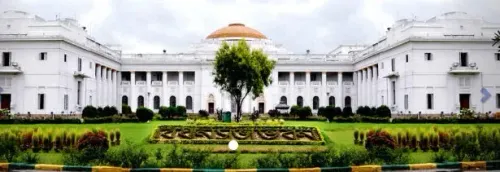
The West Bengal Legislative Assembly budget session will begin on 18 June, with the full state budget scheduled for presentation on 22 June, newly sworn-in Speaker Rathindra Bose announced at a special session of the House on Friday. The budget will be the first presented by a Bharatiya Janata Party (BJP)-led state government in West Bengal since Independence — a historic break from decades of Left and Trinamool Congress rule.
Key Developments
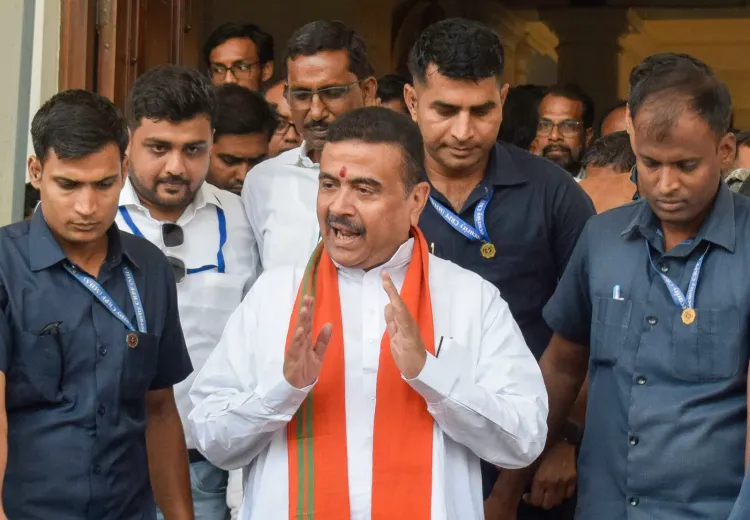
Bose made the announcement on the same day he took oath as Speaker of the House. The budget session dates signal that the new cabinet, headed by Chief Minister Suvendu Adhikari — the ninth person to hold that office in West Bengal — is moving quickly to establish its legislative agenda. The Chief Minister's Office has already directed all departmental secretaries to begin budget preparations.
Since the full budget is set for 22 June, the new cabinet is expected to name its finance minister before that date.
Why the Full Budget Was Delayed
An interim budget — technically a vote on accounts — was presented on 5 February this year by the then Minister of State for Finance (Independent Charge), Chandrima Bhattacharya, in the outgoing Mamata Banerjee-led cabinet. A full budget could not be tabled at that stage because Assembly elections were imminent. Polling was conducted in April, and results were declared on 4 May.
What the Budget Is Expected to Address
According to a senior official from the state finance department with extensive budget experience, the full budget will be anchored in the BJP's election manifesto commitments. The priorities, the official said, will include identifying new avenues for the state's own tax revenue, managing an accumulated debt burden of over ₹7 lakh crore, reining in ballooning non-plan recurring expenditure, and redirecting spending toward capital expenditure.
'The full budget to be presented next month will be based on the promises made by the current ruling party in the state in their election manifesto before the Assembly polls,' the official said, adding that the focus would be on 'alternative avenues for the state's own tax revenue generation, ease the massive pressure of huge accumulated debt, bridle the skyrocketing non-plan recurring expenditure and improve spending on capital expenditure.'
The Fiscal Challenge Ahead
The incoming government inherits a state exchequer under severe strain. West Bengal's accumulated debt reportedly exceeds ₹7 lakh crore, while non-plan recurring expenditure — covering salaries, pensions, and interest payments — continues to climb. The state's own tax revenue, largely driven by the excise department, is under pressure. Fiscal space for new welfare or capital programmes is, by most accounts, extremely tight.
This is the backdrop against which the BJP will present its first full budget — a document that will be scrutinised as much for what it funds as for how it plans to pay for it. All eyes now turn to who Adhikari names as finance minister, and whether the 22 June budget delivers a credible fiscal roadmap or a manifesto in spreadsheet form.
Point of View
A wage-and-pension bill that crowds out capital spending, and a tax base that has historically underperformed its economic size. The June 22 budget is therefore not just a policy document; it is a credibility test. Presenting a manifesto-aligned budget without a credible debt-consolidation path would be fiscally irresponsible. Yet aggressive austerity risks alienating a voter base that elected the BJP on welfare promises. The name of the finance minister — and their background — will signal which way the new government leans before a single number is read out.
NationPress
20 Oct 2026
Frequently Asked Questions
When will the West Bengal Assembly budget session begin?
The West Bengal Assembly budget session will commence on 18 June, with the full state budget to be presented on 22 June. The dates were announced by newly sworn-in Speaker Rathindra Bose at a special session of the House on Friday.
Why is this West Bengal budget historically significant?
It will be the first full budget presented by a BJP-led government in West Bengal since Independence, marking a sharp political shift after decades of Left Front and Trinamool Congress rule. The budget is also the first under Chief Minister Suvendu Adhikari.
Who will present the West Bengal budget on June 22?
The finance minister has not yet been named. The new cabinet under Chief Minister Suvendu Adhikari is expected to announce the finance minister before 22 June, when the budget is scheduled for presentation.
What is the fiscal situation facing the new West Bengal government?
The state carries an accumulated debt of over ₹7 lakh crore, faces mounting non-plan recurring expenditure, and has limited own tax revenue. The new government must balance manifesto commitments with the need to stabilise state finances.
Why was a full budget not presented earlier in West Bengal?
An interim vote-on-accounts budget was presented on 5 February by the then finance minister Chandrima Bhattacharya in the outgoing Mamata Banerjee cabinet. A full budget was not possible because Assembly elections were due; polling was held in April and results declared on 4 May.