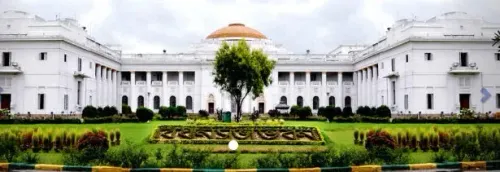
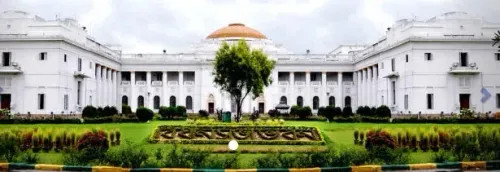
Bengal Assembly's 9-day special session from July 17 to debate 13 departmental budgets
Synopsis
West Bengal's new government is using a nine-day special Assembly session — starting 17 July — to do something the previous Trinamool Congress administration rarely allowed: open floor debate on departmental budgets. With 13 departments on the agenda and Chief Minister Suvendu Adhikari personally fielding the home department discussion, this session is as much a statement of political intent as it is a legislative exercise.
Key Takeaways
The West Bengal Assembly has scheduled a special nine-day session from 17 July to 25 July 2025 .
Budgetary allocations for 13 state departments for 2026-27 will be debated on the floor of the House.
The state home department gets the maximum allocation — three hours of discussion on 22 July .
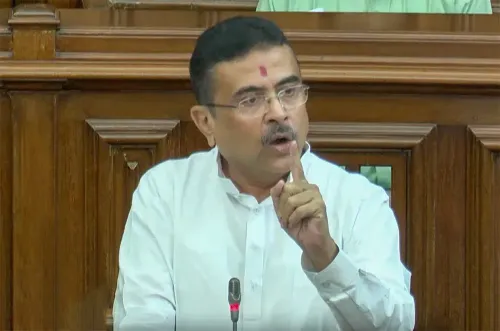
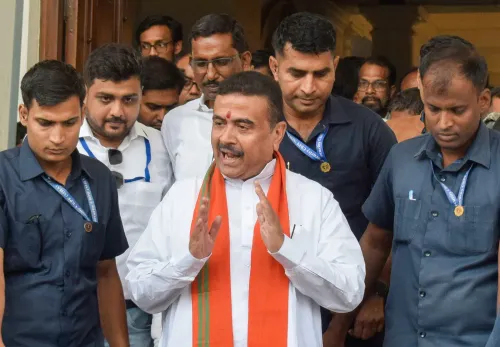
Chief Minister Suvendu Adhikari will deliver the concluding reply on home department budget discussions.
A Cabinet member said such debates were rare under the previous Trinamool Congress government, with many budgets 'guillotined' without discussion.
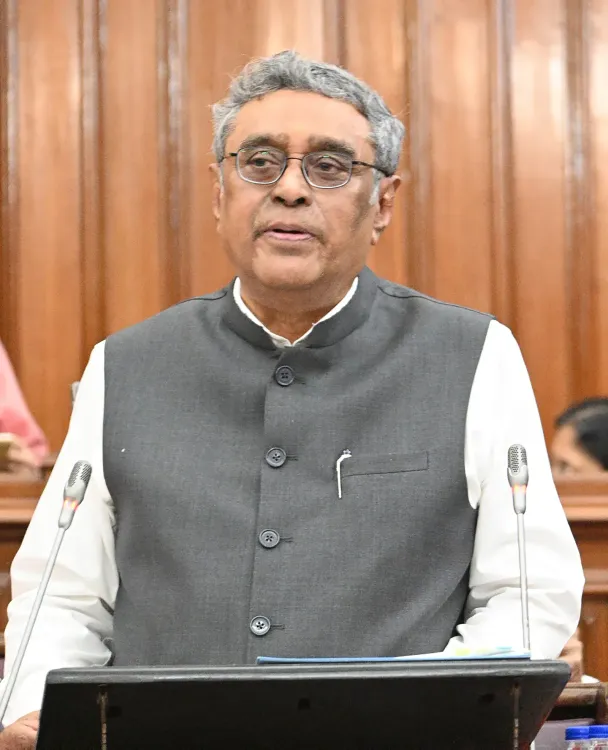
Finance Minister Swapan Dasgupta has also announced that CAG reports will now be tabled in the Assembly — a practice reportedly discontinued under the Mamata Banerjee administration.
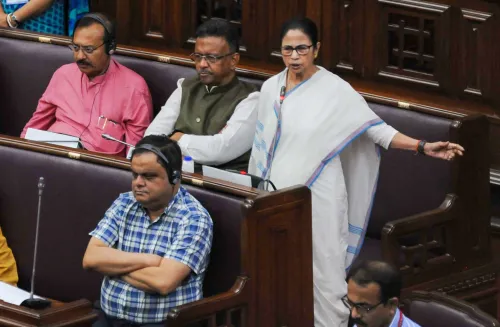
The West Bengal Assembly has convened a special nine-day session from 17 July to 25 July 2025 to take up floor discussions on departmental budgetary allocations for 2026-27, covering 13 state government departments. The session marks a deliberate shift in legislative practice by the new state government, which has signalled a return to structured parliamentary scrutiny of public spending.
Key Developments
Each of the 13 departments will have its budgetary demands placed before the House by the minister in charge, followed by open legislative debate. The session opens on 17 July and concludes on 25 July.
The state home department has been allocated the maximum discussion time — three hours — scheduled for 22 July. Chief Minister Suvendu Adhikari is expected to deliver the concluding reply on the home department's budgetary discussions.
What the New Government Said
A senior state Cabinet member, speaking on condition of anonymity, said the move is aimed at restoring transparency that was, according to the official, largely absent under the previous administration. 'During the last 15 years of the Trinamool Congress regime from 2021 to 2026, instances of discussions on departmental budgetary allocations were rare. In most cases, the proposals on departmental budgetary allocations, especially those departments directly controlled by the previous Chief Minister, Mamata Banerjee, were guillotined without being discussed on the floor of the House. But the new government wants to revive the system of discussions on departmental allocations with special focus on those departments whose functional areas involve larger public interest. The new government wants absolute transparency in the system so that Opposition legislators, too, can give their suggestions in the matter,' the Cabinet member said.
The Budget Guillotine Controversy
A budget 'guillotine' is a parliamentary procedure that fast-tracks approval of public spending by putting all remaining ministry-wise Demands for Grants to a single vote without further debate. While the mechanism is designed for genuine time constraints and to prevent government shutdowns, critics argue its repeated use in West Bengal amounted to a deliberate strategy to foreclose legislative scrutiny — particularly for departments under direct chief ministerial control.
Notably, this is not the first time the guillotine practice in Bengal has drawn criticism. Observers and Opposition legislators had flagged the issue repeatedly during the previous government's tenure, arguing it denied elected representatives a meaningful role in shaping state expenditure.
CAG Reports to Be Tabled
The special session comes shortly after state Finance Minister Swapan Dasgupta — a journalist-turned-politician — announced that the new government would henceforth place reports of the Comptroller and Auditor General (CAG) of India on the floor of the West Bengal Assembly. The tabling of CAG reports, which had reportedly been neglected during the Mamata Banerjee-led administration, is seen as a further step toward fiscal accountability.
What Comes Next
With discussions on 13 departments compressed into nine sittings, the pace of debate will be closely watched. Opposition legislators are expected to use the floor time to press the new government on spending priorities, particularly for the home department. How the administration handles dissenting voices during these sessions will be an early indicator of its stated commitment to legislative transparency.
Point of View
But whether the government tolerates pointed Opposition questioning on the home department — the most politically sensitive allocation on the agenda. Tabling CAG reports is similarly overdue; the question is whether the findings will be acted upon or merely filed.
NationPress
12 Oct 2026
Frequently Asked Questions
What is the West Bengal Assembly special session in July 2025 about?
The West Bengal Assembly has convened a nine-day special session from 17 July to 25 July 2025 to discuss departmental budgetary allocations for 2026-27. Thirteen state government departments will have their spending demands debated on the floor of the House by the respective ministers in charge.
Which department gets the most discussion time in the special session?
The state home department has been allocated the maximum time — three hours — scheduled for 22 July. Chief Minister Suvendu Adhikari is set to deliver the concluding reply on the home department's budgetary discussions.
What is a budget guillotine and why is it controversial in West Bengal?
A budget guillotine is a parliamentary procedure that approves all remaining Demands for Grants in a single vote without debate. In West Bengal, a Cabinet member has said the previous Trinamool Congress government used this mechanism routinely — particularly for departments under direct chief ministerial control — effectively bypassing legislative scrutiny for over a decade.
What has Finance Minister Swapan Dasgupta announced regarding CAG reports?
Finance Minister Swapan Dasgupta has announced that the new West Bengal government will table Comptroller and Auditor General (CAG) of India reports on the floor of the Assembly going forward. This practice had reportedly been neglected during the previous Mamata Banerjee-led administration.
How does this session differ from past West Bengal Assembly practice?
According to a senior Cabinet member, structured floor debates on departmental budgets were rare during the previous 15-year Trinamool Congress tenure, with most allocations guillotined without discussion. The current government says it wants to restore transparency and allow Opposition legislators to formally participate in budget scrutiny.