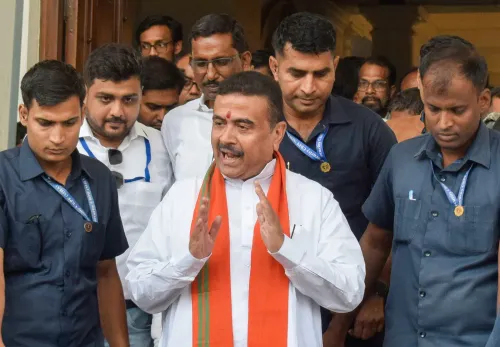
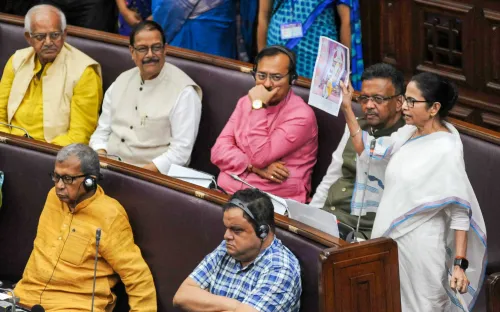
West Bengal Assembly budget session begins amid HC verdict on Ritabrata Banerjee's LoP status
Synopsis
West Bengal's budget session opened on 18 June under an unusual constitutional shadow: the Calcutta High Court was simultaneously set to rule on whether an expelled TMC legislator can legitimately serve as Leader of Opposition. The court's questioning of the Speaker's process adds a layer of institutional scrutiny that could redraw Assembly power dynamics before the full budget is even tabled on 22 June.
Key Takeaways
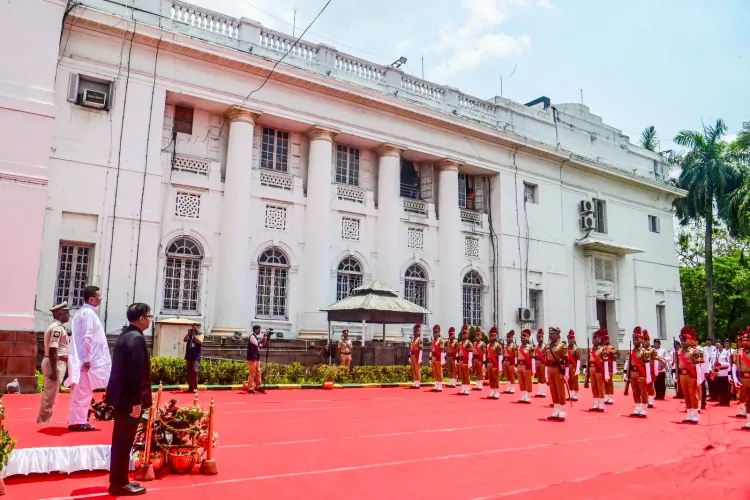
The West Bengal Assembly budget session commenced on 18 June 2026 , opened by Governor R.N.
The full budget for 2026-27 will be presented by Finance Minister Swapan Dasgupta on 22 June .
Justice Krishna Rao of the Calcutta High Court reserved his verdict on Ritabrata Banerjee's LoP status for Thursday afternoon.
The court questioned why Speaker Rathindra Bose recognised the rival TMC bloc without hearing the party's political leadership.
An interim vote-on-account was presented on 5 February by Chandrima Bhattacharya ; elections and government formation delayed the full budget.
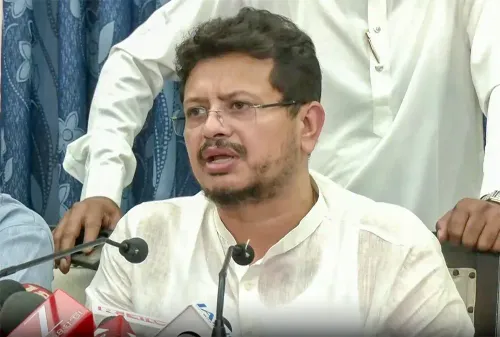
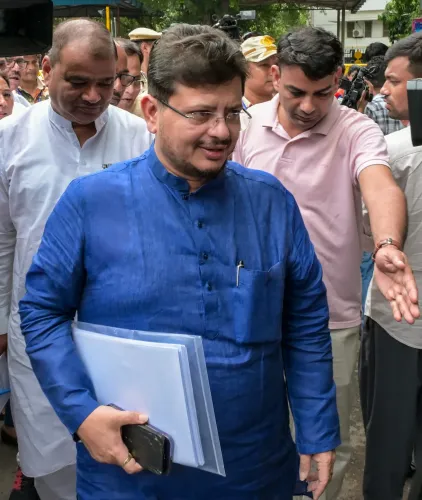
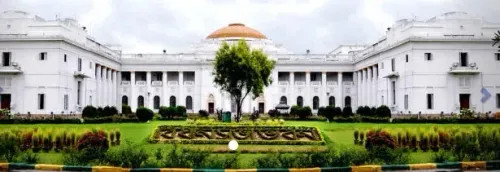
The West Bengal Legislative Assembly budget session commenced on Thursday, 18 June in Kolkata, even as a single-judge bench of the Calcutta High Court prepared to deliver a pivotal ruling on the legitimacy of Ritabrata Banerjee's appointment as the official Leader of Opposition (LoP). The convergence of two consequential constitutional events on a single day has set the stage for a politically charged opening to the legislative calendar.
Budget Session Opens with Governor's Address
The session was inaugurated with the customary address by West Bengal Governor R.N. Ravi. The full budget for the financial year 2026-27 is scheduled to be tabled by new Finance Minister Swapan Dasgupta on 22 June. This will be Dasgupta's first budget presentation after being allocated the state finance portfolio following the new government's formation.
The full budget could not be presented earlier because the February 5 sitting of the Assembly saw only an interim vote-on-account, tabled at the time by the then Minister of State for Finance Chandrima Bhattacharya. The West Bengal Assembly elections, held in April, and the subsequent swearing-in of the new government on 4 May after results were declared, delayed the full budget presentation.
The Calcutta High Court Hearing
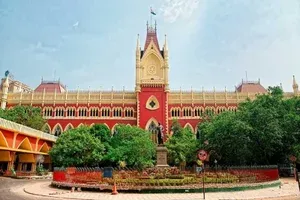
Justice Krishna Rao of the Calcutta High Court concluded arguments on Wednesday in the petition challenging Speaker Rathindra Bose's decision to recognise Ritabrata Banerjee — an expelled All India Trinamool Congress (TMC) legislator — as the leader of a new majority bloc within the party in the House, and consequently as the official LoP. The judge reserved the verdict for Thursday, indicating it would most likely be pronounced in the second half of the day.
Notably, during the hearing, Justice Rao questioned why the Speaker had accepted the demand to recognise the rival bloc led by Banerjee without first affording the political leadership of the TMC an opportunity to present its position. The observation is significant: it signals the court's concern over procedural fairness in a constitutionally sensitive matter.
Who Is Ritabrata Banerjee and Why Does This Matter
Ritabrata Banerjee was expelled from the Trinamool Congress before staking claim to lead a breakaway faction within the Assembly. The petition before the High Court challenges the Speaker's acceptance of this claim — a move that, if upheld, would formalise Banerjee's role as the official voice of the opposition in the West Bengal legislature. The outcome directly affects the balance of power within the Assembly and the institutional legitimacy of the opposition.
This is not an isolated episode. Disputes over LoP recognition and anti-defection proceedings have repeatedly tested the limits of Speaker authority across Indian state legislatures, making the Calcutta High Court's ruling one with implications well beyond West Bengal.
Finance Minister's Budget Priorities
Ahead of the full budget on 22 June, Finance Minister Swapan Dasgupta has stated that his primary objective is to grow the state's own tax revenue without imposing additional burdens on citizens through upward revisions of the existing tax structure. The approach signals a focus on revenue efficiency over new levies — a posture that will be closely watched by industry and the public alike.
With the High Court verdict and the budget session now running in parallel, Thursday marks one of the more consequential single days in recent West Bengal legislative history. The court's ruling on the LoP dispute could reshape Assembly proceedings before the full budget even reaches the floor.
Point of View
It will set a precedent that constrains how presiding officers handle intra-party disputes across the country. The full budget on 22 June will then land in an Assembly whose opposition architecture may have been redrawn by judicial intervention — an unusual and constitutionally significant backdrop for any finance minister's debut.
NationPress
19 Sept 2026
Frequently Asked Questions
Why is the West Bengal Assembly budget session significant this year?
The session, which began on 18 June 2026, is the first full legislative sitting after the West Bengal Assembly elections and the formation of a new government. It will culminate in the presentation of the full state budget for 2026-27 by Finance Minister Swapan Dasgupta on 22 June, following an interim vote-on-account tabled in February.
What is the Calcutta High Court ruling on Ritabrata Banerjee about?
The Calcutta High Court is ruling on a petition challenging Speaker Rathindra Bose's decision to recognise expelled TMC legislator Ritabrata Banerjee as the leader of a rival faction within the Assembly and as the official Leader of Opposition. Justice Krishna Rao reserved the verdict on Wednesday and indicated it would be pronounced in the second half of Thursday.
Who is Ritabrata Banerjee and why was he expelled?
Ritabrata Banerjee is a legislator who was expelled from the All India Trinamool Congress before staking claim to lead a breakaway majority bloc within the Assembly. The source does not detail the grounds for his expulsion; that aspect is subject to the ongoing legal proceedings.
What did Justice Krishna Rao observe during the hearing?
Justice Rao questioned why Speaker Rathindra Bose accepted the demand to recognise the Ritabrata Banerjee-led bloc without giving the TMC's political leadership a chance to present its views. The observation raised concerns about procedural fairness in the Speaker's decision.
When will the full West Bengal budget for 2026-27 be presented?
Finance Minister Swapan Dasgupta is scheduled to present the full budget for 2026-27 on 22 June 2026. An earlier interim budget was tabled on 5 February by the previous minister, Chandrima Bhattacharya, ahead of the state elections.