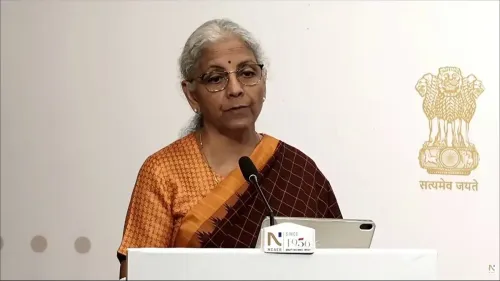
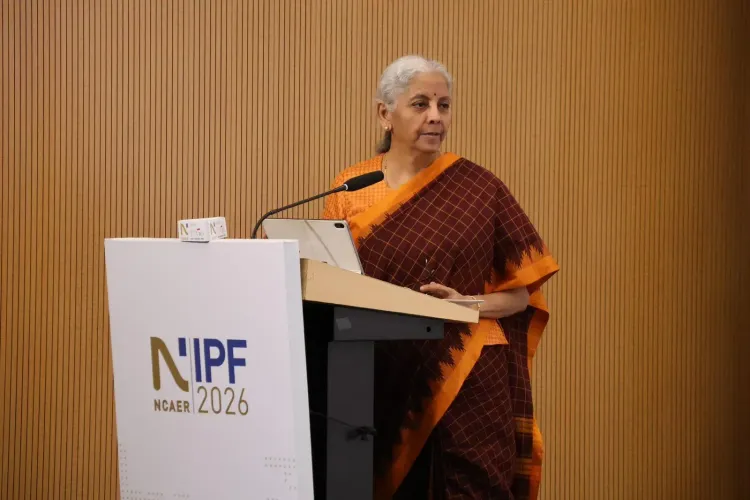
Sitharaman delivers CD Deshmukh Lecture 2026 at NCAER
Synopsis
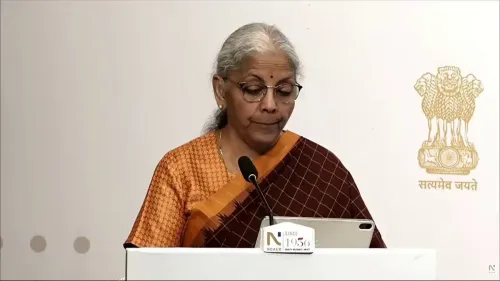
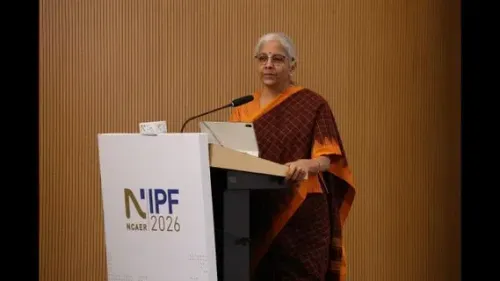
Union Finance Minister Nirmala Sitharaman delivered the CD Deshmukh Lecture 2026 at NCAER in New Delhi on 6 August 2026, engaging economists in a Q&A session — continuing a tradition of Finance Ministers using independent research platforms to frame fiscal priorities.
Key Takeaways
Nirmala Sitharaman delivered the CD Deshmukh Lecture 2026 at the National Council of Applied Economic Research (NCAER) in New Delhi .
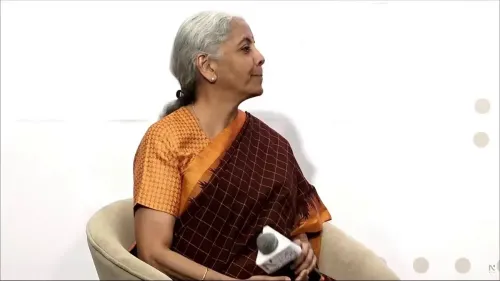
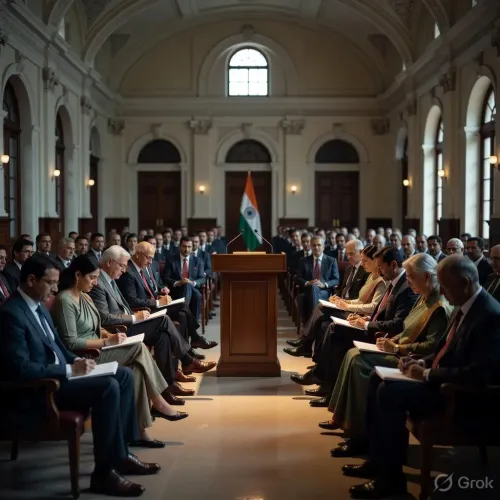
She also participated in a question-and-answer session following the lecture, allowing direct exchange with the economics research community.
The lecture series is named after C.D.
Deshmukh , the first Indian Governor of the RBI and a former Finance Minister.
NCAER , founded in 1956 , is India's oldest independent applied economic research institution.
Sitharaman has regularly engaged with economic think tanks and research forums since becoming Finance Minister in 2019 .
NCAER typically publishes the full lecture text, which may inform future policy and budget discourse.
A lecture series named after India's first indigenous central banker drew Union Finance Minister Nirmala Sitharaman to the dais in New Delhi on 6 August 2026, as she delivered the prestigious CD Deshmukh Lecture 2026 organised by the National Council of Applied Economic Research (NCAER) — and then stayed for a full question-and-answer session with the audience.
A lecture series with deep institutional roots
The CD Deshmukh Lecture is named after Chintaman Dwarkanath Deshmukh, the first Indian to serve as Governor of the Reserve Bank of India and a former Finance Minister whose influence on India's post-independence economic architecture remains foundational. Being invited to deliver this lecture places a sitting Finance Minister in direct dialogue with that legacy — and with the independent research community that tracks whether policy lives up to it.
NCAER, established in 1956, is India's oldest independent applied economic research institution. It occupies a rare space: close enough to government to be heard, independent enough to ask hard questions. The annual lecture series is one of its flagship public-discourse events.
Finance ministers and the think-tank circuit
Sitharaman has, across her tenure since 2019, maintained a consistent presence at economic research forums and think tanks — using such platforms to engage economists, field criticism, and frame the government's fiscal narrative outside the formal constraints of parliamentary or budget speeches. The Q&A format at NCAER is particularly notable: it allows direct, unscripted exchange on current macroeconomic challenges in a way that press briefings rarely do.
Indian finance ministers have long used named lecture series at institutions like NCAER to signal policy directions and engage with the professional economics community. The tradition reflects a broader understanding that independent research bodies serve as a critical sounding board for fiscal and reform priorities.
What to watch after the podium
NCAER typically publishes the full text of its CD Deshmukh Lectures, and any substantive positions Sitharaman articulated could surface in follow-up economic discourse, upcoming policy documents, or pre-budget consultations. The Q&A session, depending on its content, may generate its own trail of commentary from economists in attendance.
For a Finance Minister navigating a complex macroeconomic moment, the Deshmukh Lecture is less a ceremonial appearance than a working session — one where the audience asks real questions and the record is public.
Point of View
Independent platforms to engage the economics establishment on their own terms, outside the adversarial theatre of Parliament. NCAER's institutional standing gives the event weight — a speech here carries more analytical credibility than a press conference. The Q&A format is the real tell; a minister who stays for open questions is signalling confidence in her position and an appetite for substantive engagement. Watch the published lecture text closely — these addresses have historically foreshadowed budget themes and reform framing.
NationPress
21 Sept 2026
Frequently Asked Questions
What is the CD Deshmukh Lecture?
The CD Deshmukh Lecture is an annual lecture series organised by NCAER, named after C.D. Deshmukh — the first Indian Governor of the Reserve Bank of India and a former Finance Minister — to honour his contributions to India's economic institutions and policy.
What is NCAER and why is it significant?
The National Council of Applied Economic Research (NCAER), established in 1956, is India's oldest independent applied economic research institution. It is significant for its role in independent policy research and for hosting high-profile public economic discourse events.
Why did Nirmala Sitharaman deliver the CD Deshmukh Lecture 2026?
As Union Finance Minister, Sitharaman was invited to deliver the 2026 edition of the lecture, continuing a tradition of senior government officials engaging with independent economic research bodies at NCAER.
What happened at the NCAER CD Deshmukh Lecture 2026?
Union Finance Minister Nirmala Sitharaman delivered the lecture in New Delhi on 6 August 2026 and participated in a question-and-answer session with the audience following her address.
Where can I read the full text of Sitharaman's CD Deshmukh Lecture?
NCAER typically publishes the full text of its CD Deshmukh Lectures on its official platform after the event; the full text of the 2026 edition is expected to be released similarly.