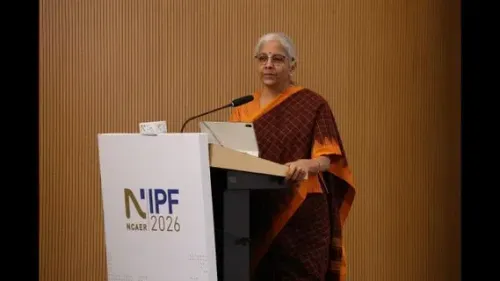
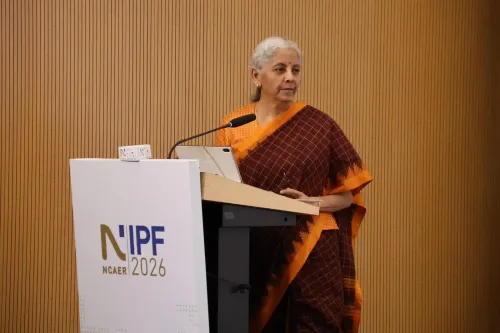
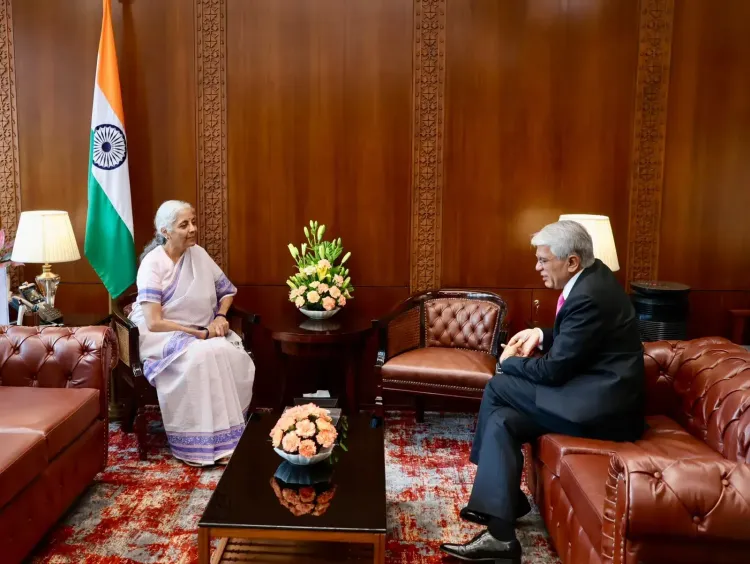
Sitharaman meets NCAER Vice Chairman Manish Sabharwal
Synopsis
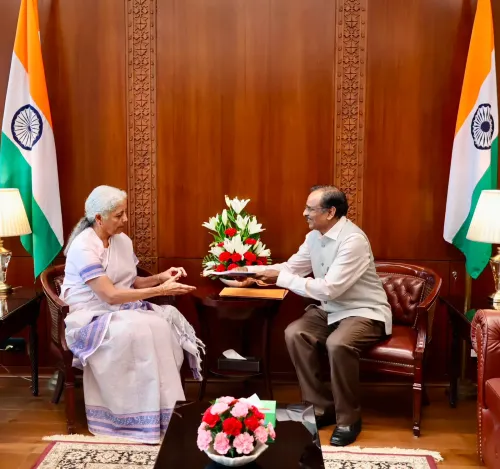
Union Finance Minister Nirmala Sitharaman met NCAER Vice Chairman Manish Sabharwal on 13 July 2026, continuing the government's practice of consulting independent economic think tanks ahead of major policy announcements and the Union Budget cycle.
Key Takeaways
Union Finance Minister Nirmala Sitharaman received Manish Sabharwal , Vice Chairman of NCAER , on 13 July 2026 .
NCAER , founded in 1956 , is India's oldest independent economic think tank and has contributed to the Economic Survey since the 1960s.
Sabharwal is also co-founder of TeamLease Services and has advised the government on employment, skills, and labour law reform.
The meeting is part of a long-standing practice of pre-Budget consultations between the Finance Ministry and independent research institutions.
Specific outcomes of the meeting were not disclosed; analysts will watch the next Economic Survey and Union Budget for any NCAER inputs.
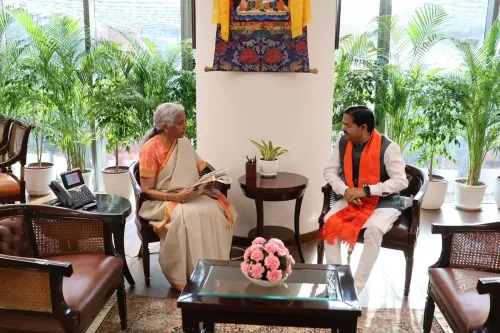
Union Finance Minister Nirmala Sitharaman received Manish Sabharwal, Vice Chairman of the National Council of Applied Economic Research (NCAER), on Monday, 13 July 2026, in a courtesy call that underscores the government's ongoing engagement with independent economic research institutions.
Context
Manish Sabharwal is a prominent figure in India's economic and labour policy landscape. Co-founder of TeamLease Services, one of India's largest staffing companies, he has served on multiple government committees focused on employment generation, skills development, and labour law reform. His role as Vice Chairman of NCAER places him at the intersection of applied economic research and public policy advisory.
The meeting was announced by the Finance Minister's office via an official post on X, describing it as a 'call on' — standard diplomatic and bureaucratic language for a formal introductory or consultative visit.
Policy Backdrop
The National Council of Applied Economic Research, established in 1956, is India's oldest independent economic think tank. It has a long-standing institutional relationship with the Ministry of Finance, having contributed data and analytical chapters to the Economic Survey — the government's flagship pre-Budget economic document — since the 1960s.
Indian finance ministers routinely hold closed-door consultations with heads of established economic research bodies to gather non-official inputs ahead of major policy announcements. Such meetings form part of a well-established practice of evidence-based dialogue between the government and independent experts on growth, employment, and fiscal consolidation.
Sitharaman has served as Union Finance Minister since 2019, overseeing annual Union Budgets, direct and indirect taxation policy, and coordination with a wide range of external economic advisory bodies. With the next Union Budget cycle on the horizon, consultations with institutions such as NCAER carry added significance.
Stakeholders and Impact
NCAER's research portfolio spans macroeconomic forecasting, agriculture, human development, and labour markets — areas that directly inform fiscal planning and social sector allocations. Sabharwal's specific expertise in workforce formalisation and employment policy makes his engagement with the Finance Ministry particularly relevant at a time when job creation remains a central concern for policymakers.
Economic policymakers, labour market researchers, and industry bodies that rely on NCAER's quarterly economic outlook reports and policy briefs are the primary stakeholders watching such interactions for signals on the government's near-term priorities.
What's Next
Observers will watch for any reflection of NCAER data or recommendations in the forthcoming Economic Survey or the next Union Budget speech. The think tank's periodic economic outlook publications will also be closely tracked for any alignment with government fiscal messaging. While the specific content of Monday's meeting has not been disclosed, such consultations typically feed into the broader evidence-gathering process that shapes India's annual economic policy framework.
Point of View
This meeting will be seen as a meaningful input into India's fiscal direction.
NationPress
12 Oct 2026
Frequently Asked Questions
Why did Nirmala Sitharaman meet Manish Sabharwal?
Finance Minister Nirmala Sitharaman received Manish Sabharwal, Vice Chairman of NCAER, as part of a consultative call — a routine but significant practice where the Finance Ministry engages independent economic experts ahead of policy announcements and the Union Budget.
What is NCAER and why does it matter to the Finance Ministry?
The National Council of Applied Economic Research (NCAER), established in 1956, is India's oldest independent economic think tank. It has contributed data and analysis to the government's Economic Survey since the 1960s, making it a key non-official advisory resource for the Finance Ministry.
Who is Manish Sabharwal?
Manish Sabharwal is Vice Chairman of NCAER and co-founder of TeamLease Services, one of India's largest staffing firms. He has served on multiple government committees on employment, skills, and labour law reform.
Will this meeting affect the Union Budget?
The specific content of the meeting was not disclosed, but such consultations typically inform the evidence-gathering process behind the Economic Survey and Union Budget. Analysts will watch both documents for any NCAER data or recommendations.
What topics could have been discussed at the Sitharaman-Sabharwal meeting?
Given NCAER's expertise in macroeconomics, labour markets, and human development, and Sabharwal's background in workforce formalisation, discussions likely touched on employment trends, economic growth outlook, and fiscal policy — though no official readout was released.