West Bengal land policy for industry to be overhauled after Aug 11 talks
Synopsis
West Bengal’s new Commerce & Industries Minister Tapas Roy has called an urgent 11 August meeting at Nabanna to draft a fresh land-for-industry policy — and says he inherited nothing: no land bank, no incentive framework, and a state that lost 6,688 companies under the previous administration. The overhaul could redefine the state’s investment pitch.
Key Takeaways
West Bengal will overhaul its land procurement policy for industry, Commerce & Industries Minister Tapas Roy announced on 8 August .
A blueprint meeting has been called at state secretariat Nabanna on 11 August , open to all industrialists and industry associations.
Roy alleged that 6,688 companies — small, medium, and large — exited West Bengal under the previous government.
The previous regime’s no-objection certificate delays of 9–10 days and the withdrawal of the incentive policy were cited as key investor deterrents.
The new government claims to have taken steps to end extortion practices and restore a credible incentive framework.
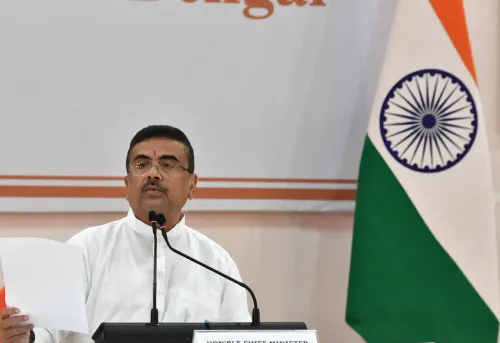
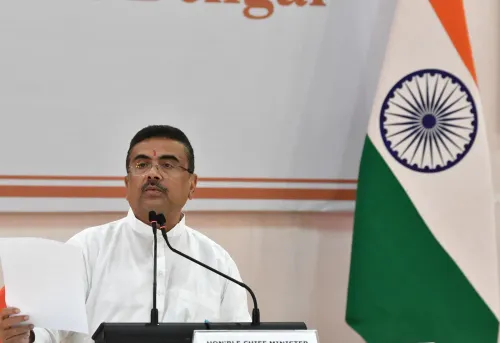
West Bengal is set to overhaul its land procurement policy for industry, with the new framework to be finalised only after direct consultations with industrialists and trade bodies, state Commerce & Industries Minister Tapas Roy announced on Saturday, 8 August. Roy made the assurance while addressing an industry seminar in Kolkata, attended by senior business leaders from across the state.
Key Meeting Called at Nabanna on August 11
Roy confirmed that a high-level meeting to finalise the blueprint of the new ‘land for industry’ policy has been convened at the state secretariat Nabanna on 11 August. “I welcome all industrialists and representatives of industry associations to be present at that meeting and give their valuable suggestions. Your suggestions will be crucial for finalising that policy,” the minister said.
The consultation-first approach marks a deliberate departure from how land policy has historically been handled in the state, where industry bodies have long complained of being sidelined in regulatory decisions.
Minister's Critique of the Previous Government
Roy launched a pointed attack on the preceding administration, alleging years of industrial neglect. “Nothing was done for industrial development not only during the last 15 years but also before that. This sector had remained neglected for years,” he said, adding that he inherited no land bank, no land policy, and no active incentive framework.
He further alleged that the previous regime’s bureaucratic delays — including a wait of nine to ten days to obtain a no-objection certificate — eroded investor confidence. “As many as 6,688 companies, small, medium and big, left West Bengal during the previous regime. Why they left is known to everyone,” Roy said.
On Incentives and Extortion Practices
The minister stressed that investments in the current economic environment are not viable without a robust incentive policy, which the state is now working to restore. He also claimed that the new government has taken “definite steps” to eliminate extortion practices that he described as a major disincentive for fresh capital.
“So, I am asking all of you to get involved in the new state government’s endeavour for industrial development,” Roy said, calling on the business community to engage actively with the policy process.
What This Means for West Bengal Industry
The proposed policy overhaul comes at a critical juncture for West Bengal, which has struggled to attract large-scale industrial investment compared with peer states such as Tamil Nadu, Gujarat, and Telangana. The absence of a functional land bank — a pre-identified pool of industry-ready land — has been cited repeatedly by investors as a structural barrier.
If the 11 August meeting produces a credible draft, it could signal a meaningful shift in the state’s investment climate. The finalised policy is expected to address land acquisition timelines, compensation frameworks, and single-window clearance norms. All eyes will now be on whether the consultation process translates into a binding, actionable framework.
Point of View
But the structural problems he describes — no land bank, no incentive policy, slow clearances — are well-documented and bipartisan in origin. The real test is whether the 11 August consultation produces a legally enforceable land framework or merely a ministerial wish-list. West Bengal has repeatedly struggled to convert investor summits and policy announcements into on-ground factory capacity; the gap between intent and execution has been the defining failure. Inviting industry to co-draft the policy is a sound instinct, but without a binding timeline and a land bank with clear titles, the exercise risks becoming another round of performative consultation.
NationPress
23 Sept 2026
Frequently Asked Questions
What is the West Bengal new land policy for industry?
West Bengal is drafting a new land procurement policy for industry that will be finalised after direct consultations with industrialists and trade associations. Commerce & Industries Minister Tapas Roy announced the move on 8 August, with a key blueprint meeting scheduled at Nabanna on 11 August.
When is the Nabanna meeting on West Bengal’s land policy?
The meeting to finalise the blueprint of the new ‘land for industry’ policy is scheduled for 11 August at the state secretariat Nabanna in Kolkata. All industrialists and industry association representatives have been invited to attend and submit suggestions.
How many companies left West Bengal under the previous government?
According to Minister Tapas Roy, 6,688 companies — across small, medium, and large categories — exited West Bengal during the tenure of the previous administration. Roy attributed the exodus to bureaucratic delays, the absence of a land policy, and the withdrawal of the incentive framework.
Why does West Bengal need a new industrial land policy?
The state currently lacks a functional land bank and a formal incentive policy, both of which Roy says were absent or dismantled under the previous government. Without pre-identified, title-clear land for industry, investors face uncertainty over acquisition timelines and compensation, deterring large-scale commitments.
Who is Tapas Roy and what is his role in West Bengal’s industrial push?
Tapas Roy is the Commerce & Industries Minister in the current West Bengal government. He is leading the state’s effort to rebuild its industrial investment framework, including the new land procurement policy and the restoration of an incentive regime for businesses.