West Bengal new industrial policy likely on Aug 15: Finance Minister
Synopsis
West Bengal is set to unveil a new industrial policy on Independence Day, with Finance Minister Swapan Dasgupta promising a three-pronged focus on land reform, investor incentives, and reuse of closed-unit land — a direct attempt to undo the damage from the Singur episode and a decade of TMC-era non-interference.
Key Takeaways
West Bengal Finance Minister Swapan Dasgupta announced the new industrial policy is expected on 15 August (Independence Day).
The policy focuses on three areas: an overall land policy, a financial incentive framework, and reuse of land from closed industrial units .
A key goal is reversing negative investor perception stemming from the Singur project withdrawal in Hooghly district .
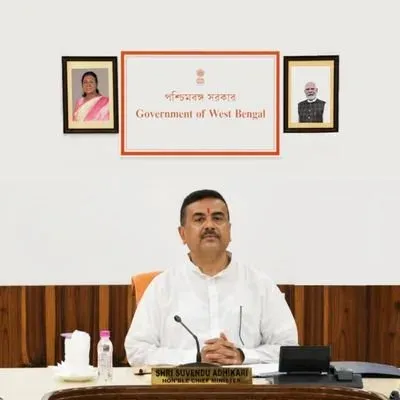
Chief Minister Suvendu Adhikari has outlined a direct land purchase model — the state buys land from owners and transfers it for industrial use.
The approach distances the government from both the Left Front's forced-acquisition methods and the TMC 's non-interference stance.
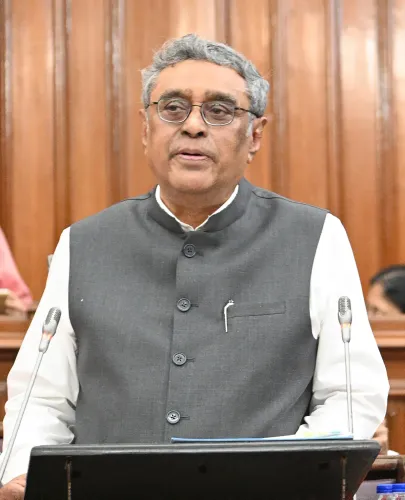
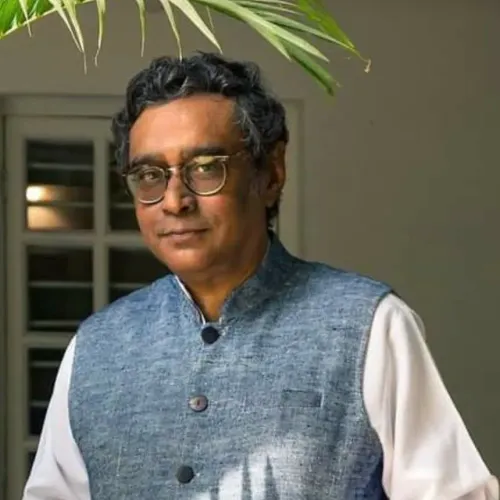
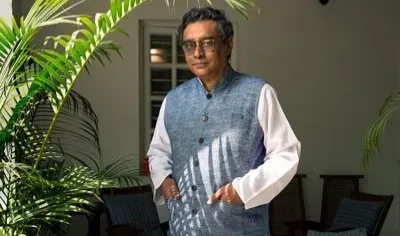
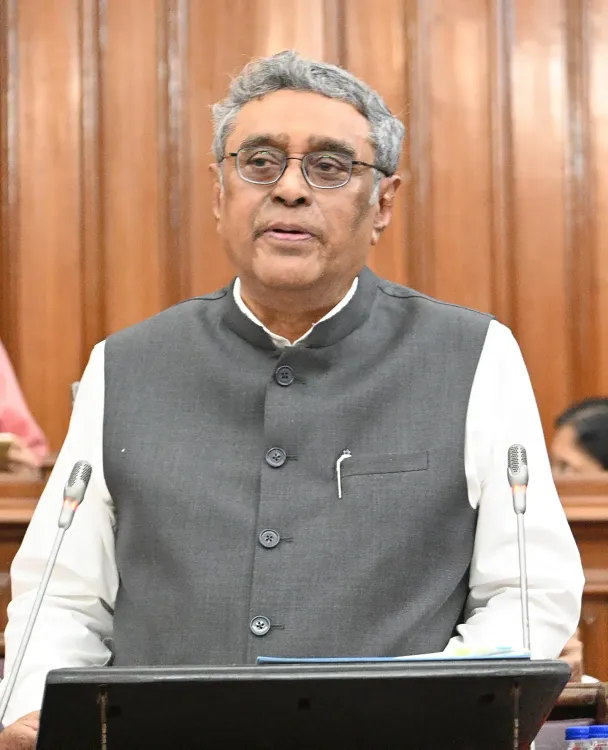
West Bengal Finance Minister Swapan Dasgupta on Saturday announced that the state's new industrial policy is expected to be unveiled on 15 August, coinciding with Independence Day. Dasgupta made the disclosure while addressing a seminar organised by the eastern regional council of the Confederation of Indian Industry (CII) in Kolkata.
What the New Policy Targets
The forthcoming policy is designed to revive West Bengal's once-prominent manufacturing sector through a structured investment strategy. Dasgupta said the approach marks a deliberate departure from the previous Trinamool Congress (TMC) government's stance of non-interference in land acquisition for industrial purposes.
The policy is set to focus on three specific pillars: an overarching land policy, a financial incentive framework, and the productive reuse of land held by shuttered industrial units for new entrepreneurs. 'We will make the best of the land-pool available with the state government,' Dasgupta said.
Addressing the Investor Perception Problem
A central objective of the new policy, according to Dasgupta, is to repair West Bengal's damaged reputation among investors. He pointed to the high-profile withdrawal of a major automobile project from Singur in Hooghly district as a defining episode that shaped negative investor sentiment toward the state.
'Our prime target is to remove the negative impression among investors about West Bengal,' Dasgupta said. The Singur episode, which dates to 2008, saw Tata Motors relocate its Nano plant amid land acquisition protests — an event widely cited as a turning point for industrial investment in the state.
The Direct Land Purchase Approach
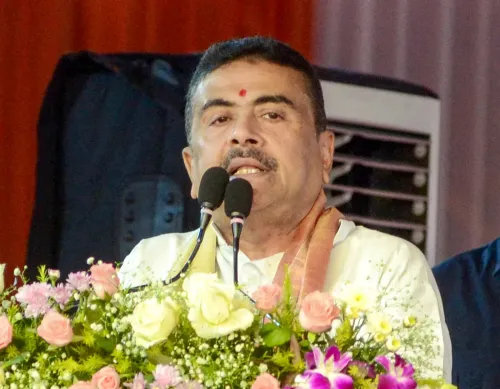
Chief Minister Suvendu Adhikari had earlier outlined the government's broader land acquisition philosophy, positioning it as a middle path between two discredited extremes. He said the administration would neither pursue forcible acquisition 'at gunpoint' — a reference to the Left Front era — nor adopt the hands-off posture of the TMC years.
'We have adopted a direct land purchase policy, under which the state government will directly purchase land from owners and hand it over for the project for which it is acquired,' Adhikari had said.
What Comes Next
If announced on 15 August as indicated, the policy would give the state government a high-visibility platform to signal a reset in its industrial relations. Industry stakeholders, including CII's eastern regional council, are expected to engage closely with the draft framework ahead of the formal announcement. The success of the policy will hinge on how effectively the state can convert land-pool assets into investor-ready parcels — and whether the incentive structure proves competitive with neighbouring states.
Point of View
And the financial incentive structure has yet to be detailed. Independence Day optics are useful, but the credibility test begins the morning after.
NationPress
17 Oct 2026
Frequently Asked Questions
What is West Bengal's new industrial policy about?
West Bengal's new industrial policy, expected to be announced on 15 August, aims to revive the state's manufacturing sector through a structured land policy, financial incentives, and reuse of land from closed industrial units. It marks a shift away from the previous TMC government's non-interference approach to land acquisition.
Who announced the West Bengal industrial policy timeline?
State Finance Minister Swapan Dasgupta announced the expected 15 August timeline while speaking at a CII eastern regional council seminar in Kolkata on Saturday.
What is the direct land purchase policy mentioned by CM Suvendu Adhikari?
Under the direct land purchase policy, the West Bengal state government will buy land directly from owners and transfer it to the project for which it is acquired. Chief Minister Suvendu Adhikari described it as a middle path between forced acquisition and complete non-involvement.
Why does West Bengal have a negative image among investors?
Finance Minister Dasgupta cited the withdrawal of a major industrial project from Singur in Hooghly district as a key reason for negative investor perception. The episode — widely understood to refer to the Tata Motors Nano plant relocation in 2008 — became a symbol of the state's troubled relationship with industrial investment.
How does the new policy differ from previous governments' approaches?
The new policy distances itself from the Left Front era's forcible land acquisition and from the TMC government's hands-off stance. It proposes direct state purchase of land from willing sellers, combined with financial incentives and utilisation of land from shuttered factories.