West Bengal autonomous panels defunct under TMC to revive from Aug 1: CM Adhikari
Synopsis
West Bengal CM Suvendu Adhikari has set 1 August as the revival date for five constitutional bodies — including the Human Rights and Women's Commissions — that he alleges the TMC government deliberately kept non-functional. Combined with a UCC commission report on the horizon and ₹5 lakh compensation for disaster-hit families, it is the most sweeping institutional reset the state has seen in years.
Key Takeaways
CM Suvendu Adhikari announced on 22 July that five constitutional bodies will be reactivated from 1 August .
The bodies include the West Bengal Human Rights Commission , Women's Commission , Child Protection Commission , SC-ST-OBC-Minorities Commission , and the Information Commissioner's office.
Adhikari alleged these were kept deliberately inoperative under the previous TMC government led by Mamata Banerjee .
A commission headed by retired SC judge Justice Ranjana Prakash Desai is expected to submit its UCC report soon, after which a Bill will be tabled in the Assembly.
Families of fishermen killed in a Bay of Bengal trawler sinking and migrant workers who died in a Sikkim tunnel disaster will each receive ₹5 lakh compensation and a state government job for one family member.
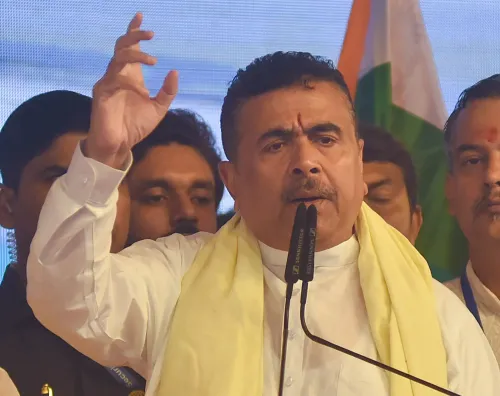
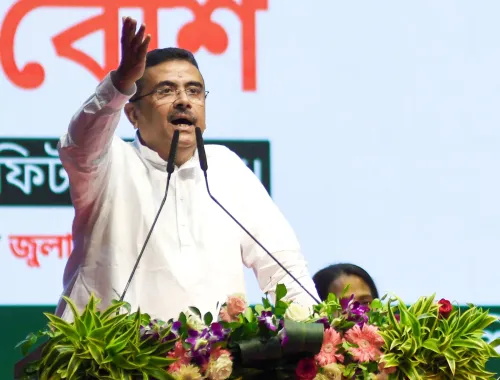
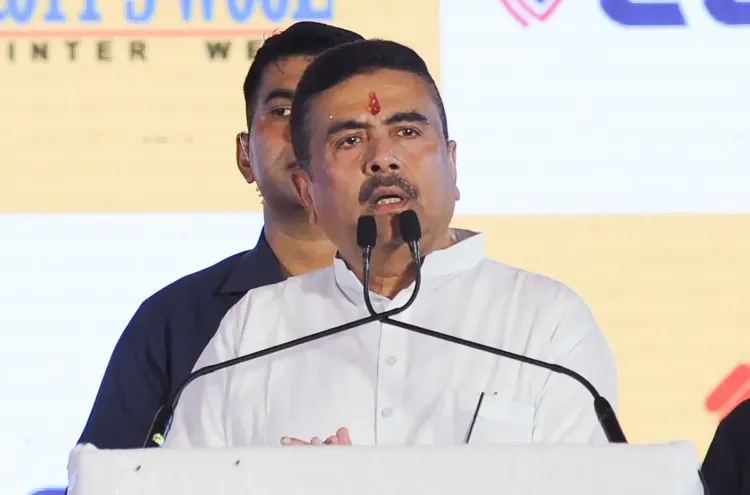
West Bengal Chief Minister Suvendu Adhikari announced on Wednesday, 22 July, that several constitutional bodies in the state — allegedly rendered inoperative during the previous Mamata Banerjee-led All India Trinamool Congress (TMC) government — will be restored to full functioning from 1 August. The announcement came during Adhikari's address on the floor of the West Bengal Legislative Assembly while responding to discussions on the budgetary allocation for the state Home Department, which also falls under his charge.
Commissions Kept Defunct, Adhikari Alleges
Chief Minister Adhikari listed the bodies that he claimed were deliberately kept non-functional under the previous administration. These include the West Bengal Human Rights Commission, the West Bengal Women's Commission, the West Bengal Child Protection Commission, the West Bengal SC-ST-OBC-Minorities Commission, and the West Bengal Information Commissioner's office, which handles replies under the Right to Information (RTI) Act.
'All these constitutional bodies will be made functional again from August 1. Everyone will be forced to take all the complaints and take action on the complaints,' Adhikari said on the Assembly floor. He also referenced the case of retired Supreme Court judge Justice Ashok Ganguly, who had served as Chairman of the West Bengal Human Rights Commission and was, according to the Chief Minister, 'attacked and harassed' by the then-TMC government. Adhikari further alleged that administrative officials had been 'kept silent' during the TMC tenure.
UCC Commission Report Expected Soon
The Chief Minister also disclosed that a state-government-appointed commission, headed by retired Supreme Court judge Justice Ranjana Prakash Desai, is expected to submit its report shortly on the feasibility of implementing the Uniform Civil Code (UCC) in West Bengal.
Once the commission submits its recommendations, the state government intends to table a final UCC Bill on the Assembly floor. If passed, the Bill would be forwarded to Governor R.N. Ravi for assent before it becomes law. The UCC remains a politically charged issue nationally, and West Bengal would be among the few states to formally legislate on it if the process concludes.
Compensation for Fishermen and Migrant Worker Families
Adhikari also announced financial relief for two groups of bereaved families. The first involves the kin of fishermen who died in a recent fishing-trawler sinking in the Bay of Bengal. The second covers families of migrant workers from West Bengal who perished in a tunnel disaster in neighbouring Sikkim.
Each affected family will receive a compensation of ₹5 lakh from the state exchequer. Additionally, the Chief Minister announced that the state government will provide employment to one member from each of these families, offering both immediate financial relief and longer-term livelihood support.
What Happens Next
The reactivation of the five constitutional bodies from 1 August will be closely watched, as it sets up a direct accountability contrast with the previous administration's record. Civil society groups and RTI activists, who have long flagged delays in information commission responses, are expected to test the renewed bodies with pending complaints. The UCC Bill's legislative journey — pending the Desai commission's report — is likely to draw national attention given West Bengal's political significance.
Point of View
Budgets, and independence, or whether they become functional in name only. The UCC move, meanwhile, is a high-stakes gamble in a state with a significant minority population, and its legislative path will depend heavily on the Desai commission's framing. Compensation packages for disaster victims are welcome, but the announcement of jobs for bereaved families — without specifying timelines or departments — risks becoming an unfulfilled promise if not backed by a formal government order.
NationPress
21 Oct 2026
Frequently Asked Questions
Which constitutional bodies will be reactivated in West Bengal from 1 August?
Five bodies will be reactivated: the West Bengal Human Rights Commission, the West Bengal Women's Commission, the West Bengal Child Protection Commission, the West Bengal SC-ST-OBC-Minorities Commission, and the West Bengal Information Commissioner's office. CM Suvendu Adhikari announced their revival on 22 July, alleging they were kept inoperative under the previous TMC government.
What is the West Bengal UCC Bill and when will it be tabled?
The West Bengal government has formed a commission led by retired Supreme Court judge Justice Ranjana Prakash Desai to recommend a draft Uniform Civil Code for the state. Once the commission submits its report, the government will table a final UCC Bill in the Assembly; if passed, it goes to Governor R.N. Ravi for assent before becoming law.
What compensation has been announced for fishermen and migrant worker families?
Each family of fishermen killed in the Bay of Bengal trawler sinking and each family of migrant workers who died in the Sikkim tunnel disaster will receive ₹5 lakh from the state exchequer. The state government has also announced one government job per affected family.
Why does Adhikari allege the TMC government kept these commissions defunct?
Adhikari alleged in the Assembly that administrative officials were 'kept silent' under the TMC tenure and cited the case of retired Supreme Court judge Justice Ashok Ganguly, former Chairman of the West Bengal Human Rights Commission, who he claimed was 'attacked and harassed' by the then-TMC government. The TMC has not responded to these specific allegations in the source material.
What happens after the constitutional bodies are reactivated on 1 August?
From 1 August, the revived commissions are expected to begin accepting and acting on public complaints. RTI activists and civil society groups are likely to test the Information Commissioner's office with pending applications. The bodies' operational independence and resourcing will determine whether the revival is substantive or largely symbolic.