Bengaluru has 1 public toilet per 30,000 people, says B.PAC survey

Synopsis
A B.PAC survey has exposed a stark sanitation crisis in Bengaluru: just one public toilet per 30,000 residents, with 94% inaccessible to women and the disabled, and only 6 of 142 surveyed toilets found clean. BJP's R. Ashoka is using the data to challenge the government's 'Brand Bengaluru' narrative ahead of the GBA elections.
Key Takeaways
Bengaluru has only 1 public toilet per 30,000 residents , according to a B.PAC survey cited on 23 July .
58% of public toilets in the city are reportedly unfit for use, functioning as garbage dumps or sites of drug use.
Only 6 out of 142 toilets surveyed were found to be clean and usable.
60% of public toilets lack water supply; 94% are inaccessible to women and persons with disabilities.
BJP Leader of the Opposition R.
Ashoka has demanded immediate repairs and warned of electoral accountability at the upcoming GBA elections .
Bengaluru has just one public toilet for every 30,000 residents, according to a survey by the Bengaluru Political Action Committee (B.PAC) — a statistic that Leader of the Opposition R. Ashoka cited on Thursday, 23 July to mount a pointed attack on the Karnataka government's handling of civic infrastructure in India's IT capital.
What the B.PAC Survey Found
The B.PAC report paints a stark picture of Bengaluru's public sanitation network. According to Ashoka, 58 per cent of public toilets in the city are unfit for use, having deteriorated into garbage dumps and, in several cases, hubs for drug use and smoking. 60 per cent of surveyed facilities lack running water, and only 6 out of 142 toilets assessed were found to be in a clean, usable condition.
Critically, the survey found that 94 per cent of public toilets are neither accessible nor suitable for women and persons with disabilities — a finding that Ashoka described as a fundamental failure of civic governance.
Ashoka's Charge Against the Government
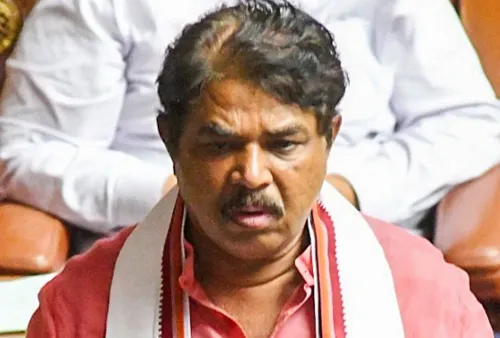
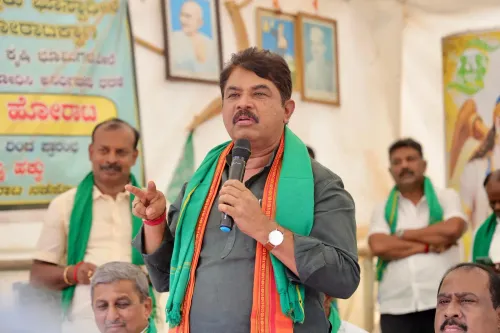
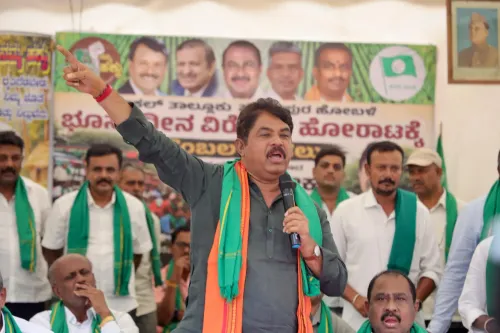
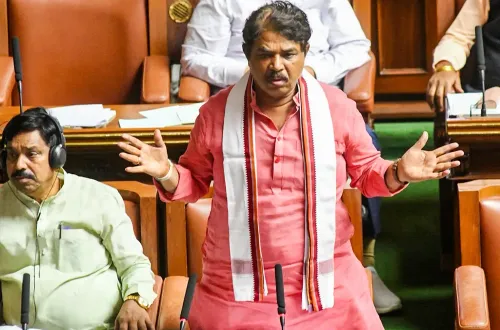
Senior Bharatiya Janata Party (BJP) leader Ashoka, speaking at a press briefing, said the ground reality contradicts the state's 'Brand Bengaluru' narrative. 'The state government continues to speak about creating Brand Bengaluru, but the reality on the ground tells a different story. It is shameful that Bengaluru, which enjoys global recognition as India's IT-BT capital, is unable to provide even basic sanitation facilities to its residents,' he said.
Ashoka questioned the allocation of public funds, asking: 'Where is the taxpayers' money going? A government that cannot provide basic sanitation has no moral right to remain in office.' He accused the ruling dispensation of being consumed by political manoeuvring at the expense of everyday civic needs faced by lakhs of office-goers, women, and sanitation workers.
Demands and Political Context
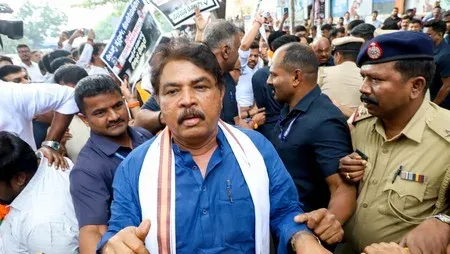
The BJP leader called for the immediate repair and reopening of all non-functional public toilets, and demanded that every facility be equipped with water supply, electricity, adequate cleanliness standards, and security measures. He also asserted that Bengaluru's voters would hold the government accountable at the upcoming Greater Bengaluru Authority (GBA) elections.
Notably, this is not the first time Bengaluru's sanitation deficit has drawn political scrutiny. The city's rapid expansion — driven by its status as a global technology hub — has consistently outpaced civic infrastructure investment, leaving peripheral and high-density areas particularly underserved.
What Happens Next
The B.PAC survey findings are likely to intensify pressure on the Bruhat Bengaluru Mahanagara Palike (BBMP) and the state government ahead of the GBA elections. Civil society groups have long flagged the sanitation gap, particularly its disproportionate impact on women and differently-abled citizens. Whether the government responds with a concrete remediation plan or dismisses the data as politically motivated will be closely watched in the weeks ahead.
Point of View
If independently verified, would represent one of the starkest documented sanitation deficits among India's major metros — made more pointed by Bengaluru's global tech-city branding. The political charge is predictable ahead of GBA elections, but the underlying infrastructure gap is real and longstanding. What is missing from the debate is accountability from the BBMP, which has received substantial central and state funds for urban sanitation under Swachh Bharat Mission. The question is not just whether toilets exist, but why existing infrastructure has been allowed to degrade to this degree — and which agency is responsible for maintenance. Without that accountability, the next government will inherit the same crisis.
NationPress
22 Oct 2026
Frequently Asked Questions
What did the B.PAC survey find about public toilets in Bengaluru?
The B.PAC survey found that Bengaluru has only one public toilet for every 30,000 residents. Of 142 toilets surveyed, only 6 were clean; 58% were unfit for use, 60% lacked water, and 94% were inaccessible to women and persons with disabilities.
Who is R. Ashoka and why did he raise this issue?
R. Ashoka is a senior BJP leader and the Leader of the Opposition in the Karnataka Legislative Assembly. He raised the B.PAC survey findings on 23 July to challenge the ruling government's 'Brand Bengaluru' narrative and highlight what he called a failure to deliver basic civic amenities.
What is the Greater Bengaluru Authority (GBA) and why does it matter here?
The Greater Bengaluru Authority is a proposed governance body for the Bengaluru metropolitan region, with elections expected in the near future. Ashoka warned that voters would hold the current government accountable for civic failures, including the sanitation crisis, at the GBA polls.
What has the BJP demanded from the Karnataka government?
The BJP has demanded the immediate repair and reopening of all non-functional public toilets, and that every facility be equipped with water supply, electricity, cleanliness, and adequate security — particularly to make them safe and accessible for women and persons with disabilities.
Is Bengaluru's sanitation crisis a new problem?
No. Bengaluru's rapid urban expansion as a technology hub has consistently outpaced civic infrastructure investment, leaving high-density and peripheral areas underserved for years. The B.PAC survey has given the issue fresh political salience ahead of the GBA elections.