Rare Earths and Titanium Technology Park inaugurated in Bhopal on 25-acre campus
Synopsis
India has taken a concrete step toward rare earth self-reliance with the inauguration of the RETTP in Bhopal — a 25-acre facility built to commercialise BARC-developed technologies for neodymium, cerium, and lanthanum production. With EV motors, defence systems, and wind turbines all dependent on rare earth magnets that China dominates, this park could prove strategically pivotal.
Key Takeaways
The Rare Earths and Titanium Technology Park (RETTP) was inaugurated in Bhopal on 11 May 2025 in the Acharpura Industrial Area .
Developed by IREL (India) Limited on a 25-acre campus under the Department of Atomic Energy .
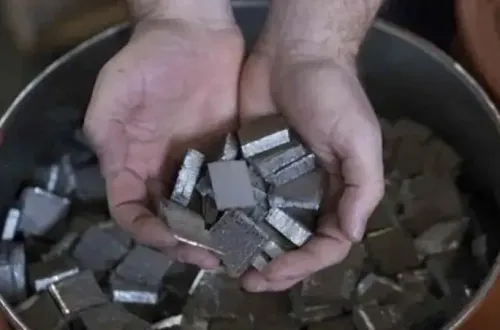
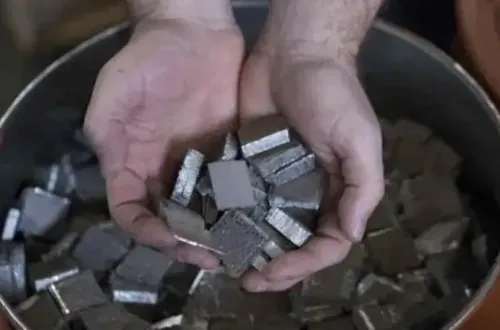
The park includes pilot plants for rare metals — neodymium, cerium, and lanthanum — and a recycling unit for end-of-life magnets and LED components.
Technologies will serve sectors including defence, space, electronics, renewable energy, and EVs .
The facility aims to reduce India's import dependence, particularly for sintered rare earth permanent magnets .
Several entrepreneurs at the inauguration expressed interest in adopting the showcased technologies commercially.
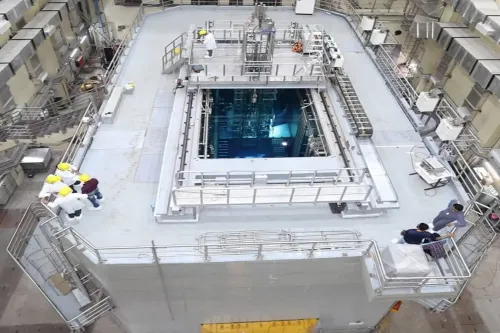
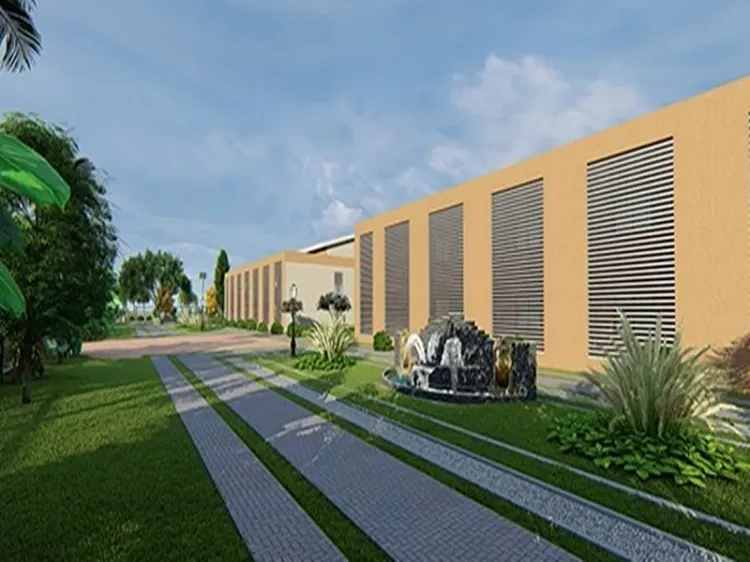
The Rare Earths and Titanium Technology Park (RETTP) was formally inaugurated in Bhopal on Sunday, 11 May 2025, marking a significant milestone in India's push to bridge the gap between laboratory research and large-scale industrial application. The facility, developed by IREL (India) Limited under the Department of Atomic Energy, is spread across a 25-acre campus in the Acharpura Industrial Area of Bhopal.
Inauguration and Key Officials
Dr Ajit Kumar Mohanty, Chairman of the Atomic Energy Commission and Secretary of the Department of Atomic Energy, formally inaugurated the park and underscored its role in advancing indigenous technologies and reinforcing the vision of Atmanirbhar Bharat. The ceremony was attended by IREL Chairman and Managing Director S.B. Mohanty, Director (Technical) A. Mishra, scientists from the Bhabha Atomic Research Centre (BARC), representatives of the Madhya Pradesh Industrial Development Corporation (MPIDC), and several entrepreneurs who expressed interest in adopting the technologies on display.
What the Facility Offers
The RETTP has been designed to showcase and scale up technologies developed by BARC, enabling industries and entrepreneurs to adopt them for commercial use. The park houses pilot plants for demonstrating the production of rare metals including neodymium, cerium, and lanthanum. It also includes a dedicated recycling unit for recovering rare earth elements from end-of-life magnets, LED components, and lamp phosphors — addressing a critical gap in India's circular economy for critical minerals.
Additionally, the facility encompasses infrastructure linked to the titanium value chain and a training centre aimed at skill development for professionals, researchers, and entrepreneurs entering the rare earth and titanium sectors.
Strategic Importance for Key Sectors
Officials stated that technologies and materials developed at the RETTP would be crucial for sectors including defence, space technology, electronics, renewable energy, and electric vehicles (EVs). This comes amid growing global competition for rare earth supply chains, with countries like China currently dominating processing and production. India's move to establish a dedicated technology park is seen as a direct response to that strategic vulnerability.
Dr Mohanty noted that the centre would strengthen India's domestic supply chain for critical materials and help reduce dependence on imports, particularly in the production of sintered rare earth permanent magnets — components that are essential in EV motors and wind turbines.
Catalyst for Startups and Entrepreneurs
Dr Mohanty described the technology park as a catalyst for startups and industries, saying it would build confidence in emerging technologies and support the establishment of commercial plants in the rare earth sector. Several entrepreneurs at the inauguration reportedly expressed interest in licensing or adopting the technologies showcased at the park. Officials said the RETTP is expected to strengthen India's industrial capabilities, promote innovation, and create new opportunities in the rare earth and titanium sectors.
What Comes Next
By integrating research with industrial application, the RETTP is expected to emerge as a major hub for technological advancement and industrial collaboration. The facility's success will be closely watched as a test case for India's broader ambition to build sovereign capability in critical minerals — a race that has taken on fresh urgency as global supply chains for rare earths face increasing geopolitical pressure.
Point of View
Where Chinese state subsidies have historically undercut every competitor. The inclusion of a recycling unit is the smartest element: urban mining of end-of-life magnets and LEDs is a cost-competitive entry point that does not require going head-to-head with Chinese mining output. Whether entrepreneurs actually license these technologies — rather than merely attending the launch — will be the true measure of this park's impact.
NationPress
23 Sept 2026
Frequently Asked Questions
What is the Rare Earths and Titanium Technology Park (RETTP) in Bhopal?
The RETTP is a 25-acre technology facility inaugurated in Bhopal's Acharpura Industrial Area on 11 May 2025, developed by IREL (India) Limited under the Department of Atomic Energy. It is designed to commercialise technologies developed by BARC for producing rare metals and advancing the titanium value chain.
Which rare earth metals will be produced at the RETTP?
The park includes pilot plants for demonstrating the production of neodymium, cerium, and lanthanum. It also has a recycling unit for recovering rare earth elements from end-of-life magnets, LED components, and lamp phosphors.
Why is the RETTP strategically important for India?
Rare earth elements are critical inputs for defence systems, EV motors, wind turbines, space technology, and electronics. India currently depends heavily on imports — particularly from China — for processed rare earth materials, and the RETTP is intended to help build a domestic supply chain and reduce that dependence.
Who inaugurated the Rare Earths and Titanium Technology Park?
Dr Ajit Kumar Mohanty, Chairman of the Atomic Energy Commission and Secretary of the Department of Atomic Energy, inaugurated the facility. Senior officials from IREL, BARC scientists, MPIDC representatives, and entrepreneurs also attended the ceremony.
How will the RETTP support startups and entrepreneurs?
The park is designed to act as a catalyst for startups by showcasing scalable BARC-developed technologies and supporting entrepreneurs in establishing commercial plants in the rare earth sector. A dedicated training centre for skill development is also part of the facility.