Bihar cabinet clears 27 proposals: EVs for HC judges, cashless health scheme
Synopsis
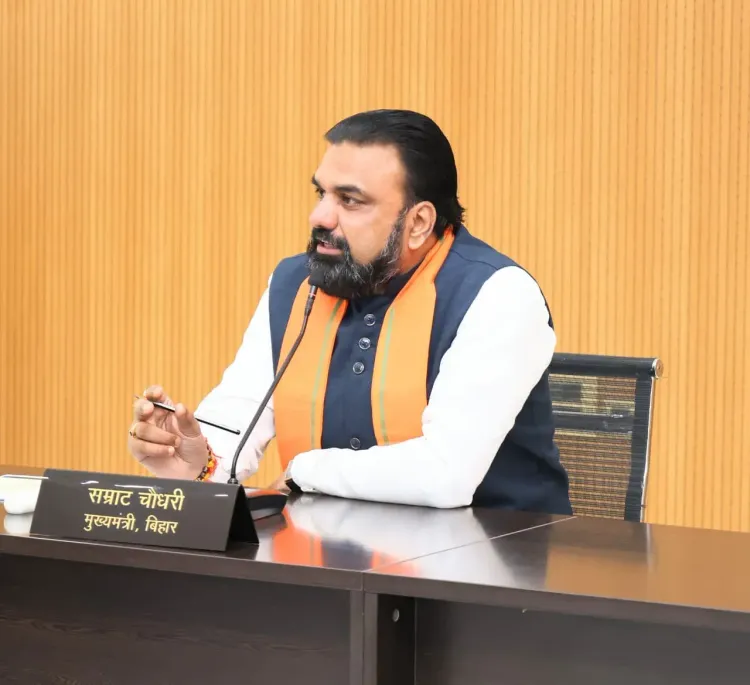
In a sweeping single-day cabinet session, Bihar approved 27 decisions — from buying 10 EVs for High Court judges out of contingency funds to overhauling land acquisition payouts and creating a new Youth Employment department. The breadth of the agenda signals an accelerated governance push by Chief Minister Samrat Choudhary ahead of what is shaping up as a policy-heavy legislative calendar.
Key Takeaways
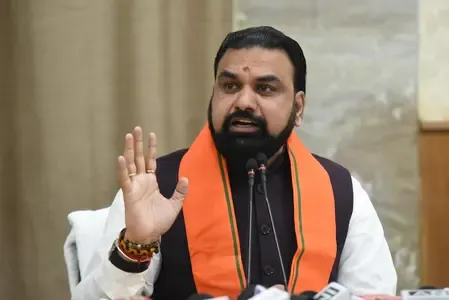
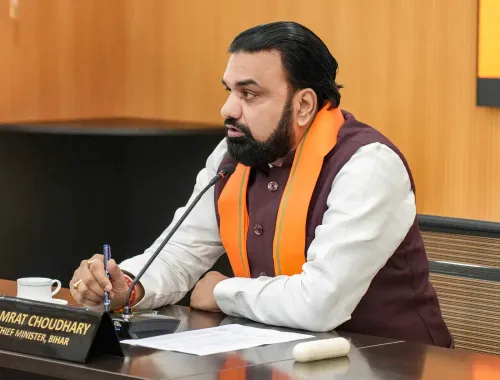
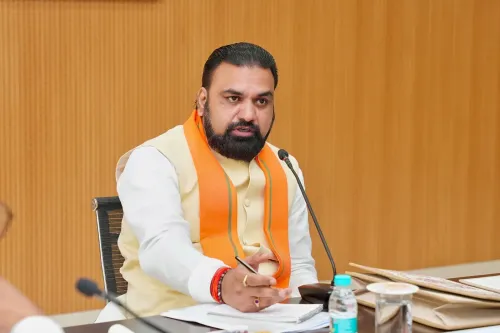
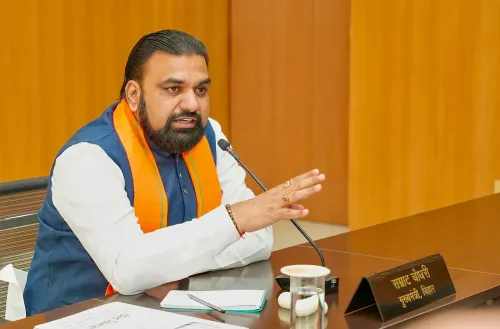
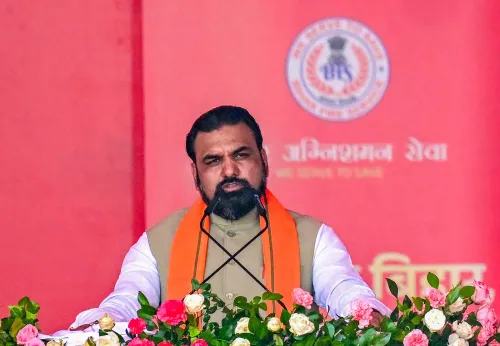
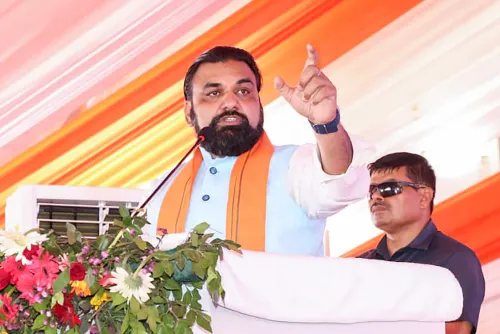
Bihar Cabinet chaired by CM Samrat Choudhary cleared 27 agenda items on 27 May at the Main Secretariat, Patna.
10 electric and hybrid vehicles approved for Patna High Court judges at a cost of ₹3.70 crore from the State Contingency Fund.
Cashless medical scheme extended to legislators, All India Services officers, state employees, pensioners, and their dependents.
Rural landowners to receive 4x and urban landowners 2x the market or circle rate under revised land acquisition norms, plus a 10% incentive . ₹102.98 crore sanctioned under the Bihar Water Security and Irrigation Modernisation Project ; tube well control reverts from Panchayats to the Minor Water Resources Department.
Youth Employment and Skill Department created; 57 new posts approved across employment directorates and 55 posts for the Directorate of Student and Youth Welfare.
The Bihar Cabinet, chaired by Chief Minister Samrat Choudhary, on 27 May approved 27 significant agenda items at the Main Secretariat in Patna, covering judicial infrastructure, healthcare, employment, irrigation, land acquisition, and administrative reforms. The wide-ranging decisions signal a broad policy push across multiple departments in a single sitting.
EVs for Patna High Court Judges
The Cabinet cleared the procurement of 10 new electric and hybrid vehicles for judges of the Patna High Court. Since sufficient budgetary allocation was reportedly unavailable under the 2026–27 financial year estimates, the government sanctioned an advance of ₹3.70 crore from the Bihar State Contingency Fund under the motor vehicles head. The move is aimed at promoting eco-friendly transportation for the judiciary.
Cashless Medical Scheme for Legislators and Government Staff
A comprehensive cashless medical facility scheme was approved for sitting and former Bihar legislators and their dependents, serving and retired All India Services officers and their dependents, state government employees, pensioners, and their family members. The scheme is designed to strengthen healthcare access for public representatives and government personnel across the state.
Revised Land Acquisition Compensation
The Cabinet approved revised compensation norms for land acquisition. Under the new policy, urban landowners will receive compensation equal to twice the market or circle rate — whichever is higher — while rural landowners will receive four times the applicable rate. An additional 10% incentive will also be paid, and acquired land will be exempt from stamp duty and registration charges. The revision is expected to benefit landowners in both urban and rural belts where state-led infrastructure projects are active.
Land Transfers, Mining, and Administrative Restructuring
The Cabinet approved the transfer of 27.48 acres in Sheikhpura to the Government of India for construction of an Intelligence Bureau office, against a payment of ₹6.24 crore. Separately, land in Gopalganj was approved for an IB office and residential complex for ₹67.5 lakh, and 21 acres in Begusarai were approved for free transfer to the Home Department for construction of a sub-jail.
The Bihar State Mining Corporation Limited was designated as the nodal agency for settlement of sand ghats across the state. A major administrative restructuring was also cleared: the Youth Employment and Skill Department will replace the Labour Resources Department in certain vocational and overseas employment bodies, with 57 new posts sanctioned across six special employment directorates and 55 new posts approved for the Directorate of Student and Youth Welfare.
Healthcare, Irrigation, and Other Key Decisions
The Cabinet approved the Senior Resident and Bihar Medical Education Service Recruitment, Appointment and Amendment Rules, 2026, along with the creation of 39 posts for a dedicated Spine Sub-Speciality Unit at Patna Medical College and Hospital. A one-year contractual extension was also approved for Senior Deputy SP (Traffic) Anil Kumar.
On irrigation, ₹102.98 crore was sanctioned under the Bihar Water Security and Irrigation Modernisation Project. The repair, maintenance, and operation of government tube wells — previously handed over to Panchayats — will now revert to the Minor Water Resources Department, which also received new recruitment and service condition rules under the Geologist Cadre framework. These decisions collectively reflect the state government's intent to consolidate technical control over critical rural water infrastructure ahead of the agricultural season.
Point of View
Healthcare, land, mining, irrigation, and employment — suggests a government keen to project administrative momentum, but also raises questions about deliberation depth. The EV procurement via contingency funds, bypassing the regular budget cycle, is a procedural shortcut that deserves scrutiny even if the intent is sound. The revised land acquisition rates — four times the circle rate for rural land — are among the more consequential decisions here, yet they received little attention amid the volume of announcements. How consistently these rates are applied in practice, particularly in infrastructure-heavy districts, will be the real test of this reform.
NationPress
11 Oct 2026
Frequently Asked Questions
What did the Bihar Cabinet approve on 27 May 2026?
The Bihar Cabinet, chaired by Chief Minister Samrat Choudhary, approved 27 agenda items covering judicial infrastructure, healthcare, employment, irrigation, land acquisition, and administrative reforms. Key decisions included EVs for Patna High Court judges, a cashless medical scheme, and ₹102.98 crore for irrigation modernisation.
Why is the Bihar government buying EVs for High Court judges from the Contingency Fund?
The Cabinet cited insufficient budgetary allocation in the 2026–27 financial year as the reason for using the Bihar State Contingency Fund to sanction ₹3.70 crore for 10 electric and hybrid vehicles. The move is described as aimed at promoting eco-friendly transportation for the judiciary.
Who benefits from the new cashless medical scheme approved by the Bihar Cabinet?
The scheme covers sitting and former Bihar legislators and their dependents, serving and retired All India Services officers and their dependents, state government employees, pensioners, and their family members. It is intended to improve healthcare access for government personnel and public representatives.
What are the new land acquisition compensation rates in Bihar?
Under the revised norms, rural landowners will receive four times the market or circle rate — whichever is higher — and urban landowners will receive twice that rate. An additional 10% incentive is also payable, and acquired land is exempt from stamp duty and registration charges.
What is the Bihar Water Security and Irrigation Modernisation Project?
It is a state irrigation initiative for which the Cabinet has now sanctioned ₹102.98 crore. Alongside this, the Cabinet decided to return control of government tube wells — previously managed by Panchayats — to the Minor Water Resources Department, centralising technical oversight of rural water infrastructure.