Bihar Cabinet clears 25 proposals on land reforms, flood funds
Synopsis
Bihar's Cabinet cleared all 25 agenda items in a single sitting on 8 June, committing over ₹635 crore to urban water and sewage infrastructure, ₹400.66 crore to flood management, and ₹3,662.97 crore to six social pension schemes — while also standardising land survey fees that have long been inconsistently applied across the state.
Key Takeaways
Bihar Cabinet under CM Samrat Choudhary approved all 25 agenda items on 8 June in Patna. ₹400.66 crore allocated for flood management works and ₹120 crore for border-area river management in 2026-27 .
Land survey fees revised: urban plots capped at ₹8,000 ; rural plots at ₹4,000 . ₹3,662.97 crore approved in advance for six social security pension schemes via DBT for May–July. ₹42.99 crore sanctioned to revive Sasamusa Sugar Mill, Gopalganj and clear sugarcane farmer dues.
Urban infrastructure outlay of over ₹635 crore approved for Hajipur, Begusarai, and Saharsa .
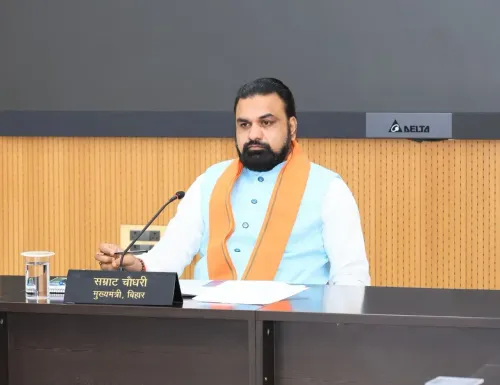
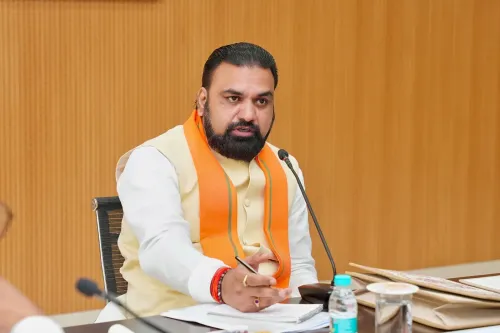
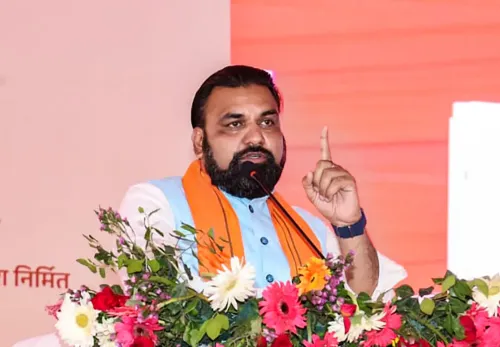
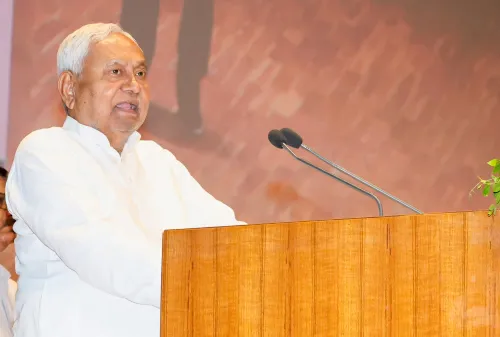
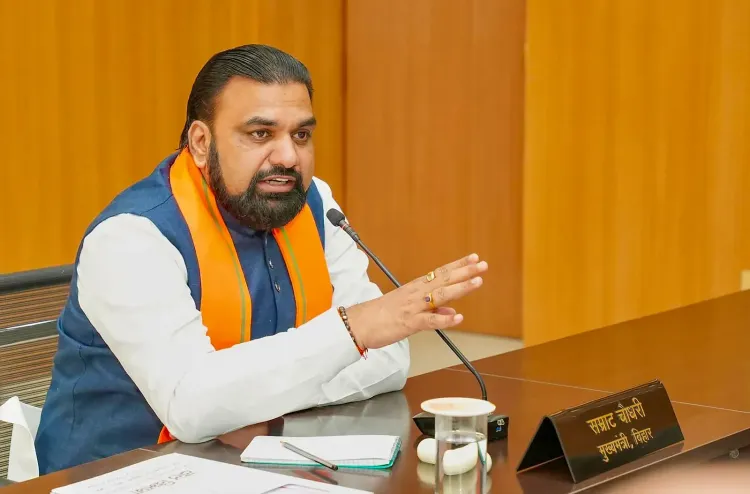
Bihar Chief Minister Samrat Choudhary chaired a Cabinet meeting on Monday, 8 June at the Main Secretariat in Patna, during which all 25 agenda items on the table were approved. The decisions span land survey reforms, flood and river management allocations, social security pensions, urban infrastructure, and industrial revival — marking one of the broader single-session approvals of the current state administration.
Land Survey Charges Revised
In a move that directly affects property owners and farmers, the Cabinet approved a fresh schedule of survey and measurement fees for raiyati (plot) land. In Municipal Corporation, Municipal Council, and Nagar Panchayat areas, the fee has been set at a minimum of ₹2,000 per plot and a maximum of ₹8,000, depending on plot size. In rural areas, the slab runs from ₹1,000 to ₹4,000 per plot. For expedited measurement services, the charges are ₹4,000 per plot in urban areas and ₹2,000 per plot in rural areas. The revision is expected to standardise what has historically been an opaque and inconsistently applied fee structure across districts.
Flood and River Management Funding
For the 2026-27 financial year, the Cabinet approved ₹400.66 crore for flood management works, ₹250 crore for land acquisition, and ₹120 crore for river management activities in border areas. Bihar is among India's most flood-prone states, with the Kosi, Gandak, and Bagmati rivers regularly breaching embankments during the monsoon season. This comes amid recurring demands from district administrations for pre-monsoon infrastructure reinforcement.
A major irrigation project in Munger district also received the Cabinet's nod. The project cost for constructing a gated weir at the confluence of the Mani and Sindhwarni rivers in the Kharagpur area has been revised upward from ₹125 crore to ₹196.89 crore. The approval also covers restoration of a 9.66-km stretch of the high-level main canal, which is critical for irrigating farmland in the region.
Social Security Pensions: ₹3,662.97 Crore Cleared
In a significant social welfare decision, the Cabinet gave advance approval of ₹3,662.97 crore to fund six social security pension schemes covering payments for May, June, and July through the Direct Benefit Transfer (DBT) system. The schemes covered include the Indira Gandhi National Old Age Pension Scheme, Indira Gandhi National Widow Pension Scheme, Indira Gandhi National Disability Pension Scheme, Lakshmibai Social Security Pension Scheme, Bihar Disability Pension Scheme, and the Chief Minister Old Age Pension Scheme. Notably, the advance approval mechanism is designed to ensure uninterrupted disbursement ahead of the monsoon months, when logistical delays typically spike.
Urban Infrastructure and Industrial Revival
On the urban development front, administrative approval was granted for a drinking water supply project in Hajipur at an estimated ₹131.88 crore. The Cabinet also cleared ₹375.87 crore for construction of a sewerage network and Sewage Treatment Plant (STP) in Begusarai, and ₹127.46 crore for the Saharsa water supply scheme. Together, these three projects represent a combined urban infrastructure outlay of over ₹635 crore.
The Cabinet sanctioned ₹42.99 crore for the revival of the Sasamusa Sugar Mill in Gopalganj and to clear pending dues owed to sugarcane farmers. The state government expects the mill's reopening to generate local employment. Additionally, the Viksit Bharat G-Ram G Scheme was approved for implementation from 1 July.
Vehicle Scrapping Policy Amended
The Cabinet also tightened the state's vehicle scrapping policy, deciding that no concession or incentive on the purchase of new motor vehicles will be extended after the deregistration or scrapping of government vehicles older than 15 years. The existing benefits for scrapping old non-government vehicles and purchasing new ones will, however, continue unchanged. The move aligns with the Centre's broader push to phase out ageing government fleets without extending fiscal benefits that were designed for private vehicle owners.
With the monsoon approaching and the 2026-27 budget cycle now in motion, the pace of implementation — particularly on flood management and pension disbursements — will be closely watched.
Point of View
Pensions, irrigation, urban water, and industrial revival — reads more like a pre-monsoon checklist than a coherent policy signal. The ₹400.66 crore flood management allocation is a recurring line item that Bihar has cleared year after year, yet embankment failures remain endemic; the real question is whether execution has improved or whether this is another cycle of well-intentioned spending with weak accountability. The advance pension disbursement of ₹3,662.97 crore via DBT is the most consequential decision in welfare terms, but its impact hinges entirely on last-mile delivery infrastructure that has historically faltered in flood-affected blocks. The Sasamusa Sugar Mill revival, meanwhile, signals electoral awareness of agrarian distress in Gopalganj — but mill revivals in Bihar have a poor track record without structural reform of the cane pricing mechanism.
NationPress
20 Sept 2026
Frequently Asked Questions
What were the key decisions of the Bihar Cabinet meeting on 8 June?
The Bihar Cabinet, chaired by Chief Minister Samrat Choudhary, approved 25 proposals on 8 June covering land survey fee revisions, ₹400.66 crore for flood management, ₹3,662.97 crore for social security pensions, urban infrastructure projects, and the revival of the Sasamusa Sugar Mill in Gopalganj.
What are the new land survey charges approved by the Bihar Cabinet?
In urban areas (Municipal Corporation, Council, and Nagar Panchayat), survey fees are now set between ₹2,000 and ₹8,000 per plot based on size. In rural areas, the fee ranges from ₹1,000 to ₹4,000. Expedited services cost ₹4,000 per plot in urban areas and ₹2,000 in rural areas.
Which social security pension schemes received advance funding?
Six schemes received advance approval totalling ₹3,662.97 crore: the Indira Gandhi National Old Age, Widow, and Disability Pension Schemes; the Lakshmibai Social Security Pension Scheme; the Bihar Disability Pension Scheme; and the Chief Minister Old Age Pension Scheme. Payments cover May, June, and July via DBT.
What is the Munger irrigation project approved by the Cabinet?
The Cabinet approved a revised cost of ₹196.89 crore — up from ₹125 crore — for constructing a gated weir at the confluence of the Mani and Sindhwarni rivers in the Kharagpur area of Munger district, along with restoration of a 9.66-km stretch of the high-level main canal.
Why is the Sasamusa Sugar Mill revival significant?
The Bihar Cabinet sanctioned ₹42.99 crore to reopen the Sasamusa Sugar Mill in Gopalganj and to clear pending dues owed to sugarcane farmers. The state government expects the reopening to create local employment in a region where agrarian distress has been a persistent concern.