Bihar CM Samrat Choudhary opens anti-trafficking meet, cites ₹51,000 crore MoUs
Synopsis
Bihar CM Samrat Choudhary used an anti-trafficking conference in Patna to make an economic argument: ₹51,000 crore in steel MoUs and home-state employment are Bihar's best long-term defence against trafficking. With 1,200 children recovered and Naya Savera 3.0 in motion, the state is framing industrial growth and child protection as two sides of the same policy coin.
Key Takeaways
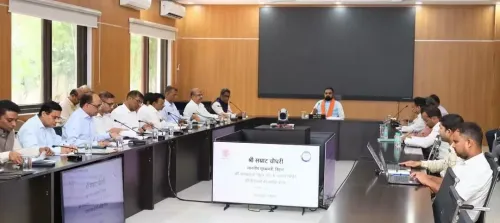
Bihar CM Samrat Choudhary inaugurated the Eastern Zonal Conference on Missing Children and Human Trafficking at Gyan Bhawan, Patna on 8 August .
More than 1,200 missing children have been recovered through Bihar's real-time monitoring system.
The state has signed MoUs worth over ₹51,000 crore with steel industry groups, cited as a migration and trafficking deterrent.
The Naya Savera 3.0 campaign covers awareness, prevention, rescue, and rehabilitation of trafficking victims.
Bihar's Sahyog Shivir initiative has reportedly received over 6 lakh grievance applications , with more than 5.50 lakh resolved.
Plans are reportedly under consideration to interlink the Ganga , Gandak (Narayani) , and Kosi rivers to address North Bihar's flood challenges.
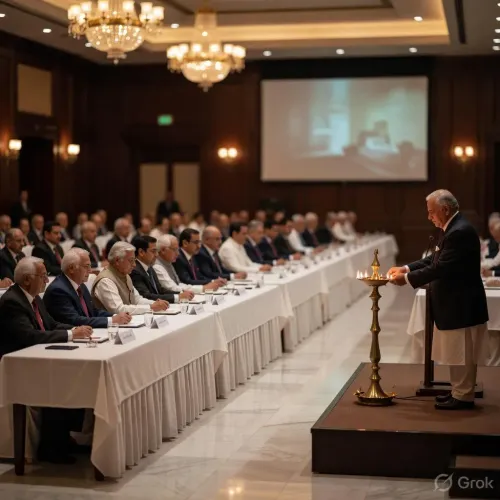
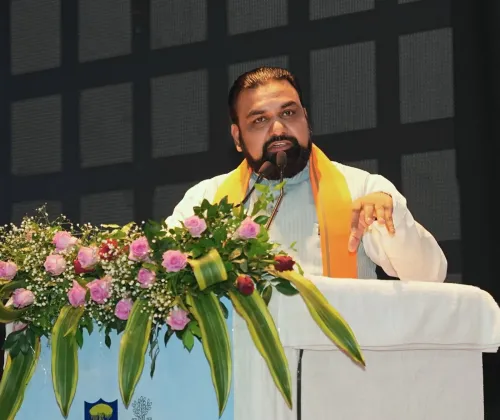
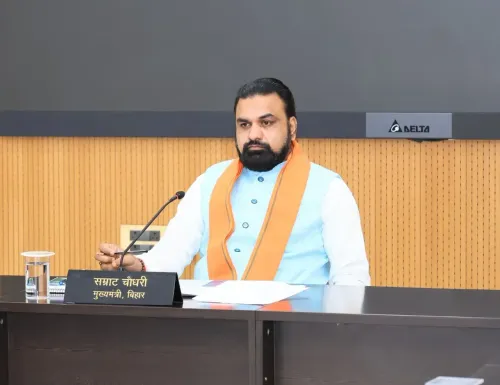
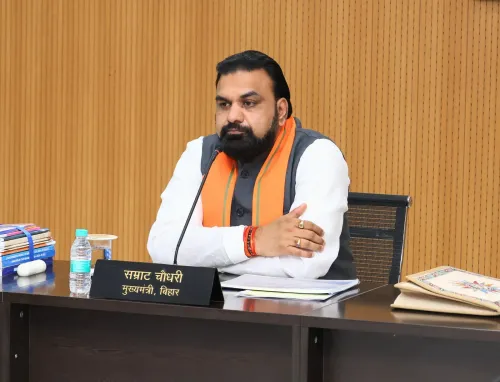
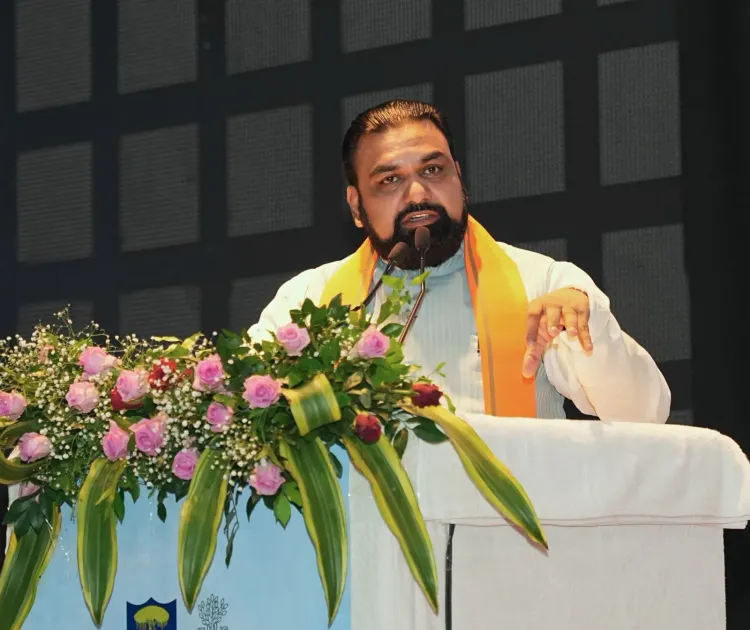
Bihar Chief Minister Samrat Choudhary on Saturday, 8 August inaugurated the Eastern Zonal Conference-cum-Consultation on Missing Children and Human Trafficking at Gyan Bhawan in Patna, declaring a zero-tolerance stance on trafficking and linking the state's industrial push directly to curbing forced migration. The conference, organised by the Bihar Home Department, brought together officials from multiple states to coordinate on missing children recovery, victim rehabilitation, and inter-agency cooperation.
Zero-Tolerance Approach and Naya Savera 3.0
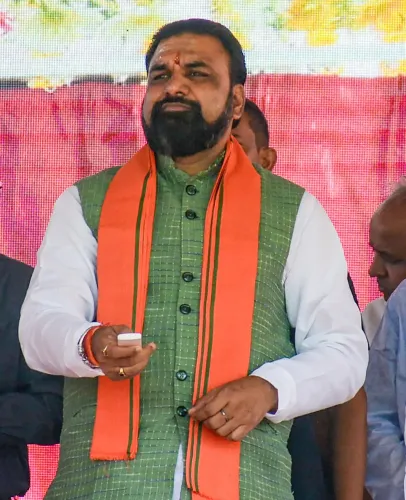
Inaugurating the conference with the lighting of the ceremonial lamp, Choudhary said the state government was reinforcing its anti-trafficking framework across four pillars: awareness, prevention, rescue, and rehabilitation. He specifically highlighted the 'Naya Savera 3.0' campaign as the operational backbone of these efforts. The Chief Minister stressed that rescued victims must not merely receive immediate relief — they must also be equipped with skills, employment pathways, and the means to lead independent, dignified lives.
Bihar has implemented a real-time monitoring system for missing children and persons, through which more than 1,200 missing children have been recovered, according to the Chief Minister. The state has also established Special Juvenile Police Units and expanded women's participation within the Bihar Police as part of its child-protection architecture.
Industrial Investment as a Migration Deterrent
Choudhary drew a direct line between economic development and anti-trafficking outcomes, arguing that employment generation at home is the most durable defence against trafficking vulnerability. He pointed to the recent signing of memoranda of understanding (MoUs) worth more than ₹51,000 crore with steel industry groups as evidence of Bihar's growing investment appeal. The Chief Minister said these investments would create employment, strengthen the state economy, and reduce the compulsion to migrate — a key risk factor for trafficking exposure.
He added that Bihar's large pool of skilled workers — spread across India and abroad — must be reconnected with quality education, skill development, and entrepreneurial opportunities within the state itself.
Grievance Redressal: Sahyog Shivirs
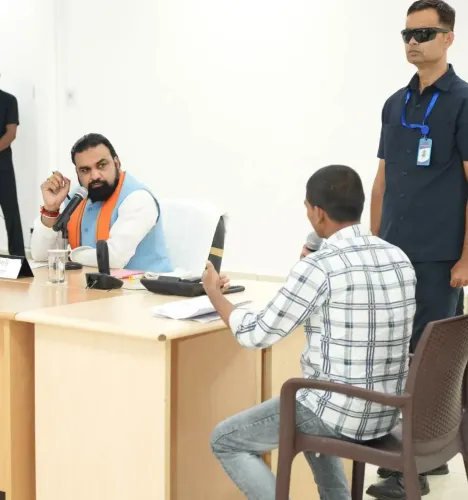
The Chief Minister also detailed the government's Sahyog Shivir initiative, which aims to resolve public grievances within 30 days. More than 6 lakh applications have reportedly been received under the programme, with over 5.50 lakh cases already resolved. Officials have been assigned accountability for each case. In instances where citizens remain dissatisfied at the administrative level, Choudhary personally hears grievances on the second Tuesday of every month. At the most recent State-level Sahyog Programme, 129 applications were presented, of which 100 were resolved on the spot.
Flood Management and River Interlinking Plans
Choudhary also addressed North Bihar's chronic flood challenge, saying the government was exploring permanent solutions through improved water management and expanded irrigation infrastructure. Plans are reportedly under consideration to interlink major rivers — including the Ganga, Gandak (Narayani), and Kosi — to tackle long-term flood and irrigation challenges. He said industrial development, skill-building, and robust social protection would together underpin a stronger, more self-reliant Bihar.
Point of View
And MoU signings have historically outpaced actual ground-level investment in the state. The ₹51,000 crore steel MoU figure is significant, but without a timeline for job creation or a tracking mechanism, the link between factory floors and reduced trafficking vulnerability remains aspirational. The Naya Savera 3.0 campaign and the real-time missing-persons system are operationally credible signals — the harder test is whether rehabilitation infrastructure scales alongside rescue numbers.
NationPress
23 Sept 2026
Frequently Asked Questions
What was the Eastern Zonal Conference on Missing Children and Human Trafficking about?
The conference, inaugurated by Bihar CM Samrat Choudhary on 8 August at Gyan Bhawan in Patna, focused on recovering missing children, preventing human trafficking, rehabilitating victims, and strengthening coordination among states. It was organised by the Bihar Home Department and brought together officials from across the eastern zone.
What is the Naya Savera 3.0 campaign in Bihar?
Naya Savera 3.0 is Bihar's government campaign addressing human trafficking through awareness, prevention, rescue, and rehabilitation. CM Choudhary said the campaign goes beyond rescue to provide victims with skills and employment opportunities for an independent life.
How many missing children has Bihar recovered through its monitoring system?
According to CM Samrat Choudhary, more than 1,200 missing children have been recovered through Bihar's real-time monitoring system for missing persons. The state has also set up Special Juvenile Police Units to strengthen child protection.
What is the significance of the ₹51,000 crore MoU Bihar signed with steel industry groups?
The MoUs, worth more than ₹51,000 crore, were signed with steel industry groups and signal large-scale industrial investment interest in Bihar. CM Choudhary cited them as evidence that industrial growth can generate local employment and reduce migration — a key trafficking risk factor.
What is Bihar's Sahyog Shivir initiative?
Sahyog Shivirs are government camps aimed at resolving public grievances within 30 days. More than 6 lakh applications have reportedly been received, with over 5.50 lakh cases resolved. CM Choudhary personally hears unresolved cases on the second Tuesday of every month.