Will Bihar Labourers Thrive Under the New VB-G RAM G Scheme?
Synopsis
The new VB-G RAM G scheme promises to increase job days for Bihar's rural households, reducing migration and allowing families to earn a living locally. Will this initiative truly empower the labourers?
Key Takeaways
VB G RAM G scheme increases employment days from 100 to 125 .
Designed to combat migration by providing local job opportunities.
Maintains unemployment allowance provisions from MGNREGA .
Celebrated by many labourers as a step towards better livelihoods.
Aligns with Viksit Bharat 2047 vision for rural development.
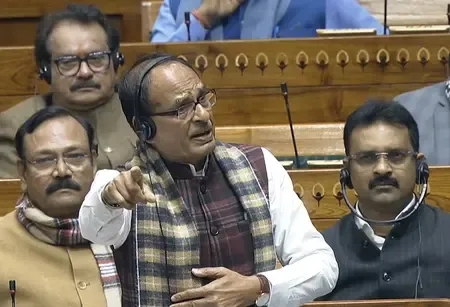
Patna, Dec 20 (NationPress) The recent enactment of the Viksit Bharat - Guaranteed Rozgar and Ajeevika (Grameen) Bill in Parliament has stirred some controversy among the Opposition, particularly the Congress, but the law appears to resonate positively with the public, garnering appreciation for its objectives.
In Bihar, numerous impoverished individuals and families are embracing the VB G RAM G, which is designed to succeed the MGNREGA, aiming to synchronize rural employment with the broader vision of Viksit Bharat 2047.
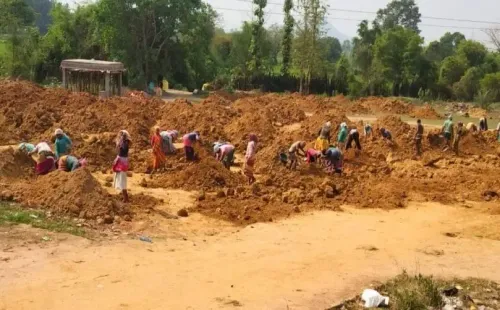
After a lengthy discussion, both houses of Parliament approved the VB G RAM G, which pledges to enhance the employment days available in a fiscal year from 100 to 125 days for any rural household volunteering for unskilled manual work.
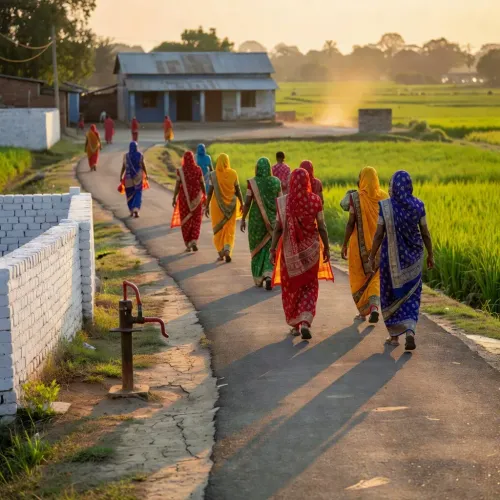
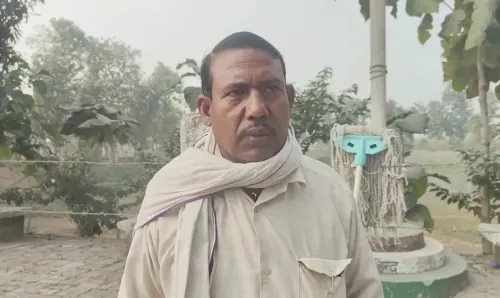
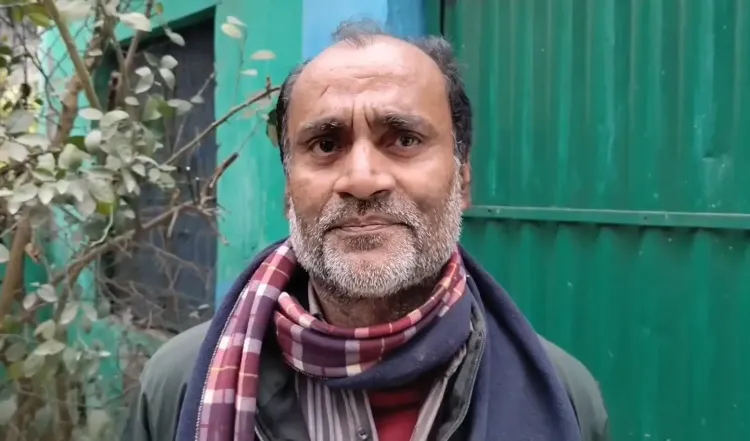
Several labourers from Bihar expressed their gratitude to Prime Minister Narendra Modi for revamping the current scheme, highlighting that this initiative will significantly reduce migration, allowing them to earn a livelihood within their own state.
“This will halt the migration from our state, and we won’t need to seek jobs in other states,” stated a labourer.
Many shared that they previously relocated to other states for work, but now with the G RAM G guaranteeing 125 days of employment, they can remain home and provide for their families.
Ashok Mistry, who supports his family through daily wages, mentioned that he and his family will forever be grateful to the Modi government for this initiative.
“We used to migrate to other cities for work, but now we can stay in our village with our children and benefit from this scheme,” he expressed.
Janardan Prasad Singh conveyed that he and his family are extremely pleased with the new scheme, stating he looks forward to working and being with his family rather than moving to other states in search of employment.
Importantly, under MGNREGA, if a job seeker is not employed within 15 days, the state government is obliged to provide an unemployment allowance. This provision has been maintained in the new G RAM G bill.
In Jharkhand’s Palamu, landless workers also commended the Centre for the G RAM G bill, with many sharing the sentiment that they will no longer need to migrate to other areas.
A worker from Palamu described the reformation of MNREGA as beneficial for the poor and marginalized families, expressing appreciation towards the Central government for prioritizing their welfare.
Another labourer, filled with joy, noted that the Centre has established provisions for 125 days of employment, an increase from the previous 100 days under MGNREGA.
“We will have 125 days of work in our own village. There’s no need to go elsewhere, thanks to PM Modi,” he added.
Point of View
It’s important to recognize the significance of the VB G RAM G scheme in addressing rural employment challenges. While the Opposition raises concerns, the positive reception among the public highlights a potential shift towards sustainable livelihoods in Bihar. The government's approach aligns with long-term developmental goals, and it remains to be seen how effectively this will be implemented.
NationPress
19 Oct 2026
Frequently Asked Questions
What is the VB-G RAM G scheme?
The VB-G RAM G scheme is a new initiative that aims to provide increased employment opportunities for rural households in Bihar, offering 125 days of work per year for unskilled manual labor.
How does this scheme differ from MGNREGA?
The VB-G RAM G scheme replaces MGNREGA and increases the number of employment days from 100 to 125 , while retaining provisions for unemployment allowances.
How will this scheme impact migration?
The scheme is designed to reduce migration by providing sufficient employment opportunities within Bihar, allowing families to earn a living locally.
Who benefits from the VB-G RAM G scheme?
The primary beneficiaries are rural households in Bihar, particularly those who engage in unskilled manual labor.
What are the long-term goals of the VB-G RAM G scheme?
The scheme aligns with the broader vision of Viksit Bharat 2047 , aiming to enhance rural employment and improve living standards in the region.