Bisrakh village worships Ravan on Dussehra, rejects effigy burning
Synopsis
On Dussehra 2026, while most of India burned Ravan's effigy, three communities — Bisrakh in Greater Noida, the Dashanan Temple in Kanpur, and Ravan village in Vidisha — held prayers and rituals in his honour instead. The counter-tradition, rooted in beliefs about Ravan's birthplace, scholarship, and Shiva-devotion, is drawing growing national attention on social media.
Key Takeaways
Bisrakh village in Greater Noida, UP worships Ravan on Dussehra , believing it to be his birthplace and the former ashram of Sage Brahma and Sage Pulastya .
The village was historically called Vishveshara , linked to Ravan's father Vishrava , who is said to have established a Shiva Lingam there during the Treta Yuga.
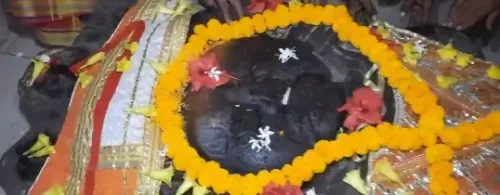
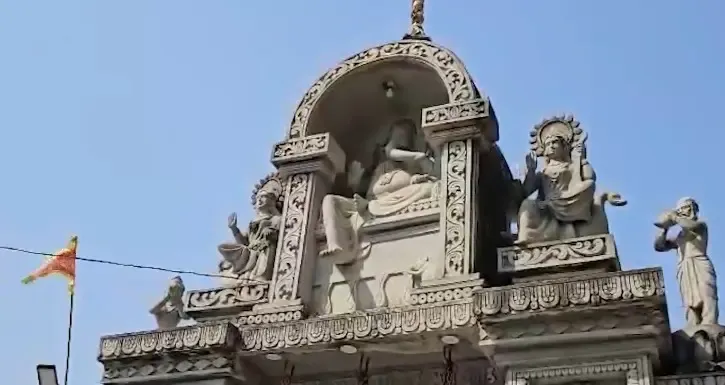
Dashanan Temple in Kanpur , built in 1868 , opens just once a year on Vijayadashami; Ravan's idol is bathed with milk and holy water.
In Ravan village, Vidisha (MP) , a 12-foot reclining idol of Ravan is worshipped year-round; the community organises Ramayana recitations and a feast on Dussehra instead of effigy burning.
All three traditions view Ravan primarily as a learned scholar and devoted follower of Lord Shiva , rather than solely as a symbol of evil.
While Dussehra is observed across India with the ritual burning of effigies of Ravan, Meghnad, and Kumbhkaran, Bisrakh village in Greater Noida, Uttar Pradesh marks the occasion in a strikingly different way — by worshipping Ravan as a revered ancestor rather than condemning him as a symbol of evil. The village, located roughly 30 kilometres from New Delhi, is widely believed by locals to be the birthplace of the demon king from the Hindu epic Ramayana.
Bisrakh: A Village That Honours Its 'Son of Soil'
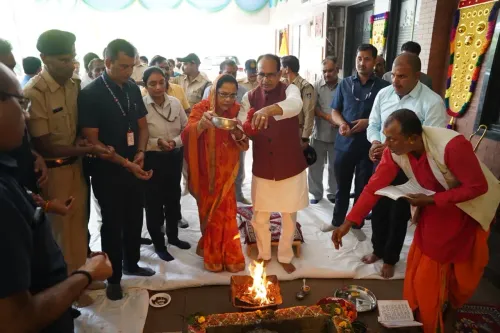
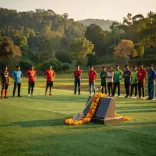
Residents of Bisrakh consider burning Ravan's effigy deeply disrespectful to their lineage. On Dussehra (20 October 2026), devotees instead gathered at the local temple to offer flowers, sweets, and prayers. A yagya was performed, and the temple was elaborately decorated for the occasion.
Mahant Ramdas Maharaj, speaking to reporters, explained the village's theological position: 'This is Ravan's birthplace and was once the ashram of Sage Brahma and Sage Pulastya. Ravan is worshipped here every day throughout the year. Today is Dussehra, and a yagya is being performed. The temple has been beautifully decorated, and special prayers are being offered to Ravana.'
He added that worshippers from several surrounding areas visit the temple on the occasion, with havans (fire rituals) continuing from daytime into the evening.
The Historical and Mythological Roots
According to local tradition, Bisrakh was formerly known as Vishveshara — a name linked to Ravan's father, Vishrava. It is believed that Sage Vishrava was born here during the Treta Yuga and established a Shiva Lingam at the site. Ravan, who was a devoted follower of Lord Shiva, is also said to have worshipped at this very spot. The temple has drawn growing attention on social media in recent years, attracting visitors from across India curious about the village's contrarian Dussehra tradition.
Kanpur's Dashanan Temple: Open Just Once a Year
Bisrakh is not alone in its reverence. In Kanpur, Uttar Pradesh, the Dashanan Temple — situated within the Kailash Temple complex in the Shiwala area — opens its doors only once a year, on Vijayadashami, remaining shut for the remaining 364 days.
Temple priest Pandit Ram Bajpai said the shrine was built in 1868 by Maharaj Guru Prasad Shukla. 'On Dussehra, the temple doors are opened in the morning, following which the idol of Ravana is ceremonially bathed with milk and holy water. The rituals are then performed according to traditional customs, followed by prayers and aarti,' he said.
The tradition is rooted in the belief that Ravan should not be seen solely as a villain but also as a highly learned scholar, an astute ruler, and a devoted Shaivite.
Madhya Pradesh's Ravan Village: A Community Under His Protection
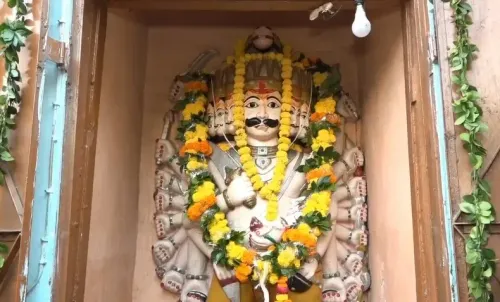
In Vidisha district, Madhya Pradesh, a village simply called Ravan — located in Nateran tehsil — worships the King of Lanka as its presiding deity, affectionately addressed as 'Ravan Baba'. The ancient temple, believed by locals to date to the Parmar era, houses a 12-foot reclining idol of Ravan, where daily prayers and aarti are held throughout the year.
On Dussehra, instead of effigy burning, the village organises Ramayana recitations, devotional singing, and a grand community feast, drawing worshippers from Vidisha, Bhopal, and neighbouring areas.
Temple priest Pandit Naresh Tiwari said: 'Our village, named Ravan, has an idol of Ravan Maharaj established. Ravan Baba Maharaj presides here, and our entire village resides under his protection. All our tasks are accomplished through him.' He added that villagers seek the deity's blessings before weddings, pre-wedding rituals, Bhagwat Kirtans, and Ramayana recitations, and that skipping this step is believed to invite obstacles.
A Counter-Narrative to the Mainstream Festival
These communities represent a longstanding counter-tradition within Hindu religious practice — one that does not negate Ravan's flaws but foregrounds his scholarship, Shiva-devotion, and local ancestry. Notably, such traditions are scattered across multiple Indian states, from Uttar Pradesh to Madhya Pradesh, suggesting the 'villain' framing of Dussehra is not universally shared. As social media amplifies these stories each year, these villages are increasingly becoming cultural pilgrimage sites, drawing a generation of visitors keen to engage with India's layered mythological heritage.
Point of View
But these communities embody a long-documented alternate reading: Ravan as scholar-king and Shiva-devotee, not merely antagonist. As social media brings these villages into national view each October, there is an opportunity to treat them as a window into India's pluralistic religious geography rather than curiosity items. The deeper question — how a single epic yields such radically different local theologies — is one that cultural historians and mainstream media both tend to underserve.
NationPress
20 Oct 2026
Frequently Asked Questions
Why does Bisrakh village worship Ravan instead of burning his effigy on Dussehra?
Bisrakh village in Greater Noida, Uttar Pradesh, is believed by its residents to be the birthplace of Ravan, making him a revered ancestor rather than a villain. Locals consider burning his effigy disrespectful to their lineage, and instead offer prayers, perform yagyas, and conduct havans on Dussehra.
Where is Bisrakh village and what is its connection to Ravan?
Bisrakh is located roughly 30 kilometres from New Delhi in Greater Noida, Uttar Pradesh. According to local tradition, the village — formerly called Vishveshara — was the birthplace of Ravan and the ashram of Sage Brahma and Sage Pulastya. Ravan's father, Sage Vishrava, is believed to have established a Shiva Lingam there during the Treta Yuga.
What is the Dashanan Temple in Kanpur and when does it open?
The Dashanan Temple in Kanpur's Shiwala area is dedicated to Ravan and opens its doors only once a year — on Vijayadashami (Dussehra). Built in 1868 by Maharaj Guru Prasad Shukla, the temple performs rituals including bathing Ravan's idol with milk and holy water before prayers and aarti.
Are there other places in India where Ravan is worshipped?
Yes. Apart from Bisrakh and the Dashanan Temple in Kanpur, Ravan village in Vidisha district of Madhya Pradesh also worships Ravan as its presiding deity, 'Ravan Baba'. The village houses a 12-foot reclining idol, conducts daily prayers, and on Dussehra organises Ramayana recitations and a community feast rather than effigy burning.
Why do some communities in India venerate Ravan?
These communities view Ravan not solely as a symbol of evil, but as a highly learned scholar, a capable ruler, and a devoted follower of Lord Shiva. Local ancestral ties — particularly in Bisrakh, where he is believed to have been born — reinforce this alternate theological framing within Hinduism's diverse regional traditions.