BJP questions MPSC protest: student cause or Rohit Pawar's political launch?
Synopsis
The BJP is questioning whether the 11-day MPSC protest in Pune was a genuine student movement or a political vehicle for NCP(SP) MLA Rohit Pawar — and the timing is pointed. The agitation ended only after the government set up a retired Bombay High Court judge-led committee and MPSC Chairman Vivek Bhimanwar voluntarily went on leave, stopping short of a formal resignation. The BJP says students were used; Pawar says the government blinked first.
Key Takeaways
BJP MLA Vikram Pachpute publicly challenged NCP(SP) MLA Rohit Pawar to clarify what students gained from the MPSC protest and who reaped political benefits.
The 11-day MPSC aspirants' protest in Pune was called off after the state government announced a high-level committee headed by retired Bombay High Court judge Justice Dilip Bhosale , with a reform report due in two months .
MPSC Chairman Vivek Bhimanwar announced on X at 1:24 am on Monday that he is going on leave until the judicial probe concludes.
Pachpute cited Article 317 of the Constitution to argue the state government cannot directly remove the MPSC chairperson, making it a constitutional constraint rather than political inaction.
Rohit Pawar described the outcome as a student victory, stating: 'The children took one step back, but the government took ten steps back.'
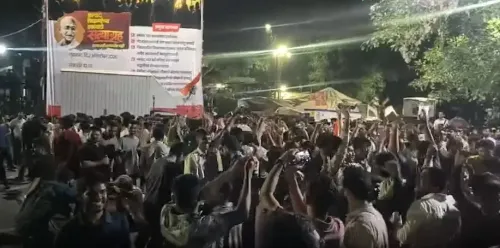
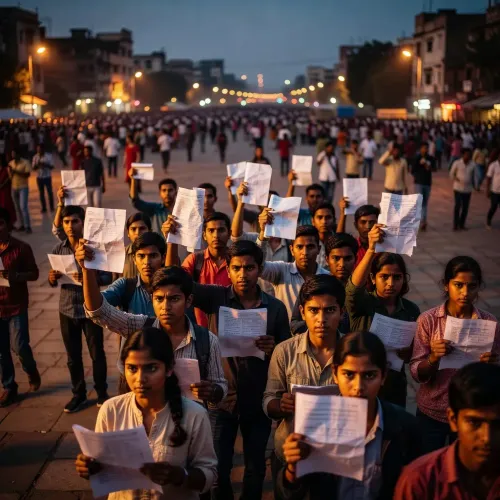
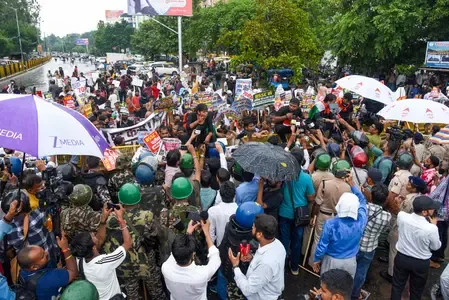
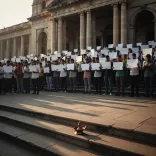
The Bharatiya Janata Party (BJP) on Monday, 13 October 2025, publicly challenged NCP (Sharad Pawar faction) MLA Rohit Pawar over the MPSC student protests in Pune, questioning whether the 11-day agitation was genuinely driven by student grievances or strategically used as a political launchpad. The controversy erupted hours after aspirants called off their protest following the state government's announcement of a high-level judicial inquiry into structural flaws at the Maharashtra Public Service Commission (MPSC).
BJP's Challenge to Rohit Pawar
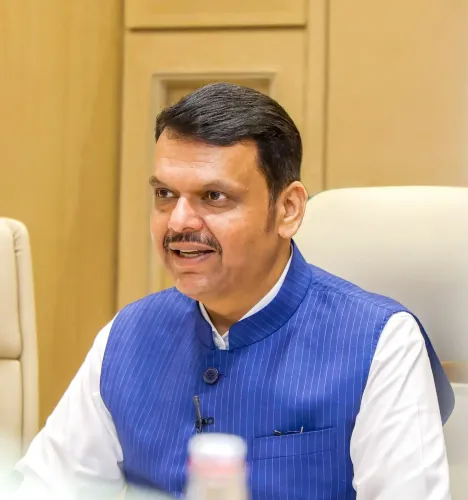
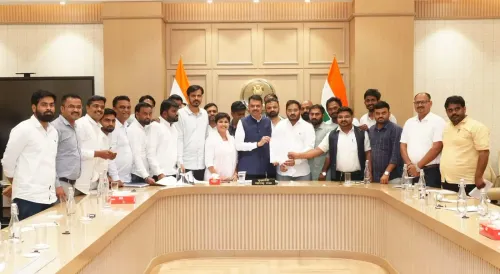
BJP MLA Vikram Pachpute, who played a key role in facilitating a meeting between agitating MPSC aspirants and Chief Minister Devendra Fadnavis, publicly asked Rohit Pawar to clarify what students concretely gained from the protests — and who ultimately benefited politically. Pachpute expressed gratitude to the CM for engaging with student representatives on four separate occasions to find a constructive resolution.
He alleged that certain political figures had attempted to sensationalise the agitation by inviting politicians, public personalities, and artists to the protest platform, shifting the focus from resolving student concerns to generating personal publicity and political capital. 'Students prepare and struggle to become officers through competitive exams, not to serve as stepping stones for political leaders,' Pachpute said.
The Constitutional Limits Argument
Addressing what the BJP characterised as a central misrepresentation by the opposition, Pachpute explained that state governments do not hold direct authority to remove the chairperson of a constitutional body such as the MPSC. Such a removal requires a specific procedure under Article 317 of the Constitution of India. 'If the Chief Minister had the direct authority to dismiss the Chairman, he would have taken appropriate action much earlier. Even though there are constitutional limitations, Rohit Pawar insisted on continuing the protest,' he said.
Pachpute argued that once the government accepted most student demands on 30 September and the judicial inquiry process commenced, the agitation lost its rationale. He contended that a 'positive approach' towards the inquiry on that date itself could have averted the subsequent conflict.
Protest Called Off, Committee Formed
The 11-day protest by MPSC aspirants in Pune was called off after the state government announced the formation of a high-level committee headed by retired Bombay High Court judge Justice Dilip Bhosale. The committee is mandated to study structural flaws in MPSC operations and submit a detailed reform report within two months.
Shortly after, at 1:24 am on Monday, MPSC Chairman Vivek Bhimanwar posted on X that he was going on leave until the probe is completed — a development that partially addressed the core student demand of his resignation, even though a formal removal did not occur.
Rohit Pawar Claims Victory for Students
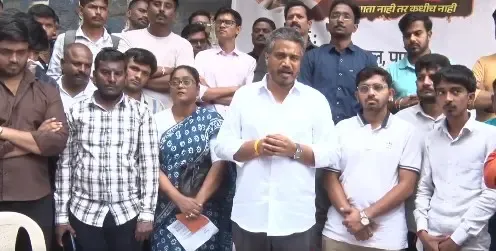
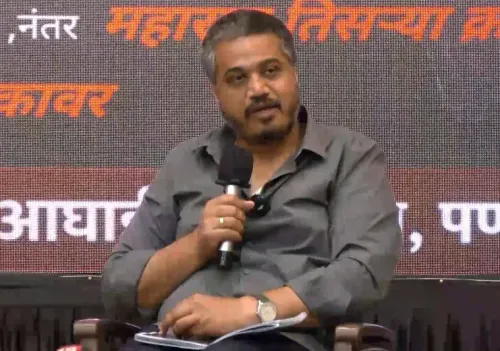
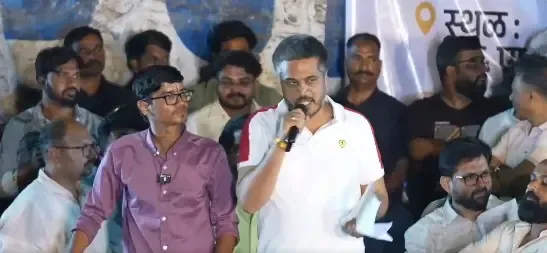
Rohit Pawar, responding to the resolution, characterised the outcome as a student victory, saying the government had ultimately accepted the protesters' demands. 'Although it was delayed, the government has accepted the students' demands. While our primary demand was a resignation, keeping the students' examinations in mind, we decided to suspend the agitation. This victory belongs to the unity of the students,' he said.
Pawar acknowledged that while an immediate resignation was not secured, the government had retreated substantially. 'The children took one step back, but the government took ten steps back,' he noted, also praising the solidarity shown by aspirants and supporters including Pramod Patil. He warned that accountability would remain a priority and that the administration had been given a strict timeframe to deliver reforms.
Background and What Comes Next
The MPSC controversy stems from allegations of paper leaks in competitive examinations, which triggered widespread anger among aspirants whose career prospects depend on the integrity of the selection process. This is not the first time MPSC has faced credibility questions; critics argue that successive governments have been slow to undertake systemic reform of the body.
With the Justice Bhosale committee now in place and a two-month deadline to report, the next phase will test whether the inquiry translates into structural change or remains another procedural exercise. The BJP–NCP(SP) exchange also signals that the MPSC issue will remain politically active ahead of upcoming local body elections in Maharashtra.
Point of View
And the constitutional argument about Article 317, though technically accurate, risks looking like procedural cover for inaction that lasted well beyond September 30. The deeper question mainstream coverage is missing: why did the government need four rounds of talks and an 11-day protest to act on demands it ultimately accepted? If the judicial inquiry produces no structural reform, this political spat will matter far less than the next MPSC leak.
NationPress
12 Oct 2026
Frequently Asked Questions
Why did MPSC aspirants protest in Pune?
MPSC aspirants in Pune launched an 11-day protest demanding the resignation of MPSC Chairman Vivek Bhimanwar over alleged paper leaks in competitive examinations. The protests centred on concerns about the integrity of the MPSC selection process, which is crucial to aspirants' government job prospects.
Why was the MPSC protest called off?
The protest was suspended after the Maharashtra state government announced a high-level committee headed by retired Bombay High Court judge Justice Dilip Bhosale to investigate structural flaws at the MPSC and submit a reform report within two months. Additionally, MPSC Chairman Vivek Bhimanwar announced on X that he was going on leave until the probe is completed.
What is the BJP's allegation against Rohit Pawar regarding the MPSC protest?
BJP MLA Vikram Pachpute alleged that Rohit Pawar used the MPSC student agitation as a political launchpad rather than a genuine effort to resolve student grievances. He accused certain political figures of inviting politicians and public personalities to the protest platform, shifting focus from students' concerns to personal publicity.
Can the Maharashtra government directly remove the MPSC chairperson?
No, the state government does not have direct authority to remove the chairperson of a constitutional body like the MPSC. The removal process requires a specific procedure under Article 317 of the Constitution of India, which BJP MLA Pachpute cited to explain why CM Fadnavis could not unilaterally dismiss Chairman Vivek Bhimanwar.
What happens next in the MPSC controversy?
The Justice Dilip Bhosale-led committee is expected to submit a detailed report on structural reforms at the MPSC within two months. Rohit Pawar has warned that accountability will remain a priority, and the political dispute between the BJP and NCP(SP) over the protests is expected to continue, particularly ahead of local body elections in Maharashtra.