CM Fadnavis: Pune MPSC Protest Has Turned Political
Synopsis
Maharashtra CM Devendra Fadnavis, speaking from Palghar on October 9, says the ongoing Pune protest — originally driven by MPSC aspirants — has now acquired a political character, signalling the government's intent to distinguish genuine student demands from partisan mobilisation.
Key Takeaways
CM Devendra Fadnavis stated on October 9, 2026 that the Pune MPSC agitation has taken on a political character.
The protest was originally led by MPSC aspirants pressing for examination and recruitment-related demands.
Fadnavis made the remarks from Palghar , speaking in both Marathi and Hindi.
The 'political colour' framing gives the government cover to resist opposition-backed pressure while maintaining it supports genuine student concerns.
MPSC recruitment affects lakhs of state government job aspirants across Maharashtra , making it a politically sensitive issue.
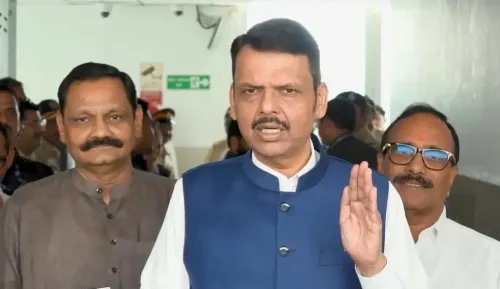
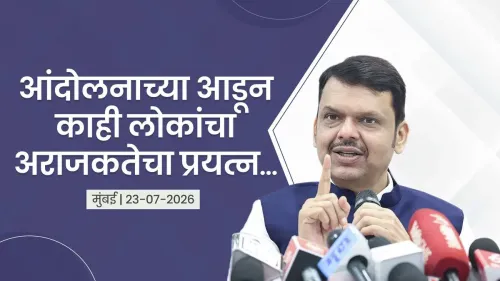
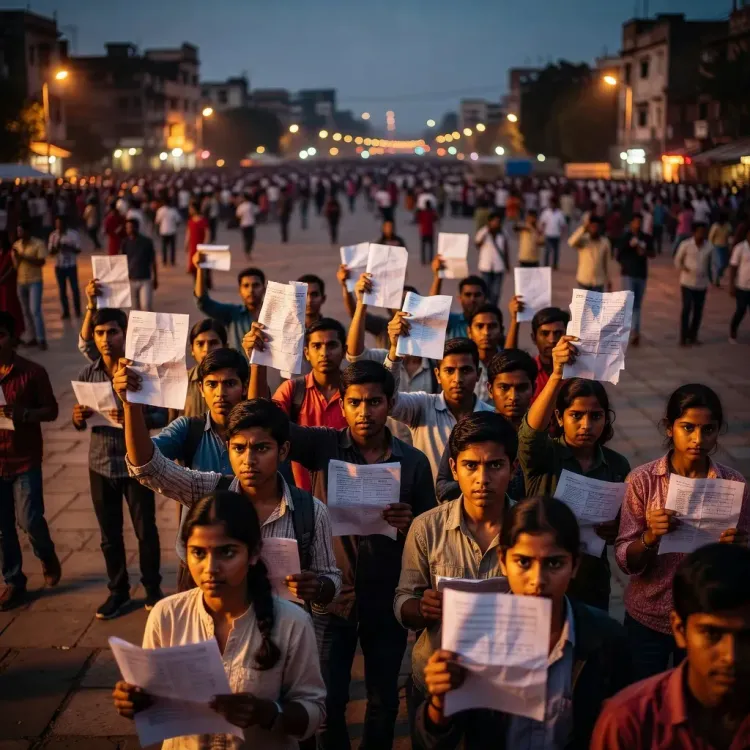
What began as a student-driven demand has, according to Maharashtra Chief Minister Devendra Fadnavis, crossed a line — the agitation in Pune over MPSC (Maharashtra Public Service Commission) recruitment has shed its academic character and taken on a political shape. Fadnavis made the statement on Friday, October 9, 2026, from Palghar, drawing a pointed distinction between the original grievances of aspirants and what he now sees as a partisan takeover of the movement.
From exam-hall frustration to street politics
Speaking in both Marathi and Hindi, the Chief Minister said: 'पुणे येथे सुरू असलेले आंदोलन सुरुवातीला एमपीएससीच्या विद्यार्थ्यांचे होते, मात्र आता त्याला राजकीय स्वरूप प्राप्त झाले आहे' — 'The agitation underway in Pune was initially that of MPSC students, but it has now taken on a political character.' The bilingual framing was deliberate: a signal that the government is watching, and that it draws a line between legitimate student demand and what it characterises as opportunistic mobilisation.
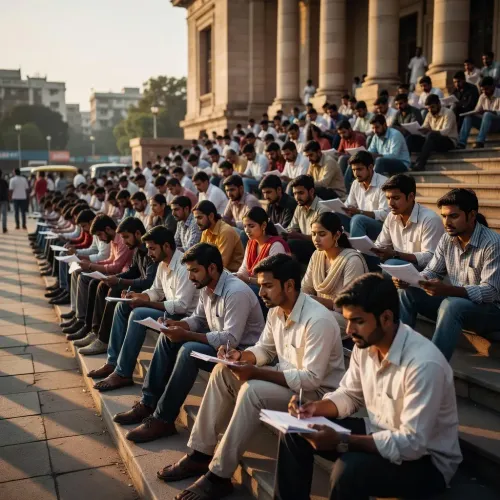
MPSC aspirants across Maharashtra have long nursed grievances over examination delays, syllabus changes, and recruitment bottlenecks — issues that periodically erupt into visible protests in Pune, the state's examination hub. Student agitations centred on government job recruitment are a recurring pressure point in Maharashtra politics, where lakhs of young people invest years preparing for state civil services.
The 'political colour' charge — and what it signals
By labelling the protest 'political,' Fadnavis is deploying a familiar but consequential framing: it separates the government's stated empathy for genuine student concerns from its resistance to what it sees as opposition-led disruption. The charge effectively puts the onus on protest organisers to prove they are not proxies for rival parties — and gives the administration political cover to hold firm rather than negotiate on opposition terms.
The remark from Palghar — not Pune itself — also suggests the Chief Minister was on tour when he chose to weigh in publicly, indicating the issue had risen enough in political temperature to demand a direct response away from the capital.
What MPSC aspirants are watching
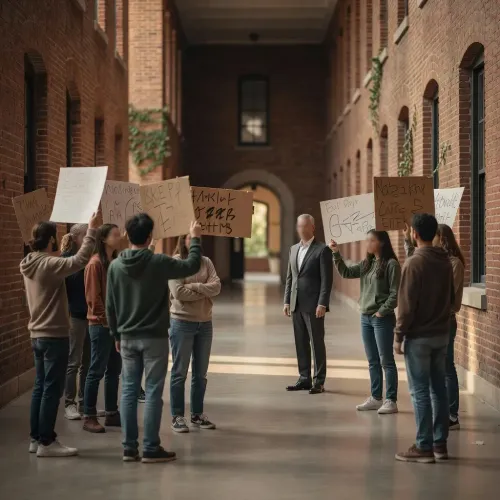
For the thousands of students still camped around their demands, the Chief Minister's characterisation will land as either a dismissal or a challenge. The distinction Fadnavis draws matters enormously: a protest seen as 'student-led' carries moral weight that compels concessions; one branded 'political' can be managed as a law-and-order or public-order question. How the government follows this statement with action — dialogue, announcement, or silence — will define the next chapter of the standoff.
Maharashtra's MPSC examination ecosystem feeds tens of thousands of state government posts annually; any prolonged disruption or perceived neglect of aspirant grievances carries real electoral consequence in a state where competitive-exam households span every district. Fadnavis knows the arithmetic. The question now is whether naming the 'political' turn cools the agitation — or inflames it.
Point of View
' he attempts to delegitimise opposition involvement without appearing dismissive of student grievances. This tactic fits a broader BJP Maharashtra pattern of separating welfare-oriented state schemes from street politics — claiming credit for empathy while resisting concessions made under partisan pressure. The bilingual delivery signals the statement was crafted for maximum regional reach. Whether it narrows or widens the protest's popular base will be the real test of the strategy.
NationPress
9 Oct 2026
Frequently Asked Questions
What is the MPSC protest in Pune about?
The protest in Pune centres on demands by Maharashtra Public Service Commission aspirants related to examination delays, recruitment irregularities, and syllabus-related issues affecting government job seekers across the state.
What did CM Devendra Fadnavis say about the Pune MPSC agitation?
CM Fadnavis said the agitation, which started as a student movement over MPSC issues, has now taken on a political character — implying that political parties have entered and are steering the protest.
Where was Fadnavis when he made this statement?
Fadnavis made the statement from Palghar on October 9, 2026, while apparently on an official tour outside Pune and Mumbai.
What is MPSC and why does it matter in Maharashtra?
MPSC, or the Maharashtra Public Service Commission, conducts competitive examinations for state government posts. Lakhs of aspirants across Maharashtra prepare for these exams, making any disruption or delay a major political and social issue.
Why does calling a protest 'political' matter?
When a government labels a protest 'political,' it shifts public perception from a welfare demand to a partisan battle — giving authorities more room to hold firm and frame any crackdown or delay in negotiations as resistance to opposition interference rather than neglect of citizens.