CM Fadnavis Ready to Probe MPSC, May Refer to President
Synopsis
Maharashtra CM Devendra Fadnavis declared on 6 October 2026 that his government is ready to investigate the MPSC, including its Chairman, to address student agitation. He warned that if wrongdoing is found, a recommendation for action will be made to the President of India under constitutional provisions.
Key Takeaways
CM Devendra Fadnavis announced on 6 October 2026 readiness to probe the Maharashtra Public Service Commission (MPSC) , including its Chairman.
The announcement was a direct response to sustained student protests demanding accountability and transparency in MPSC examinations.
If the inquiry finds fault, the state government will recommend action to the President of India — the only authority empowered to remove a PSC chairman under Article 317 of the Constitution.
Fadnavis posted the statement bilingually in Marathi and Hindi , signalling the political breadth of his outreach to aspirants.
MPSC chairpersons hold constitutional positions and cannot be removed by state governments acting alone, making a presidential referral a significant and rare escalation.
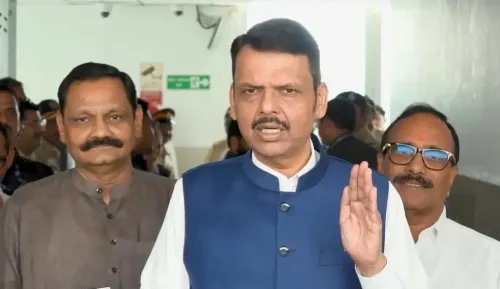
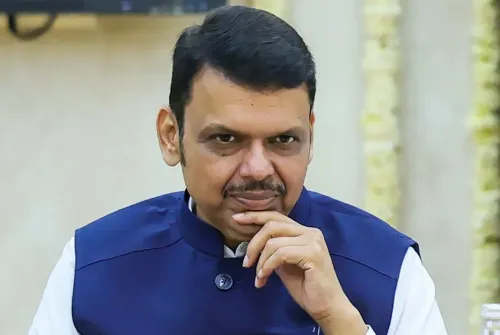
A public trust crisis around Maharashtra's premier civil-services body cracked open on Tuesday, 6 October 2026, when Maharashtra Chief Minister Devendra Fadnavis declared his government's readiness to order a full inquiry into the Maharashtra Public Service Commission (MPSC) — chairman included — in direct response to an ongoing student agitation.
Posting on X in both Marathi and Hindi, CM Fadnavis said: 'To build trust in the minds of the students involved in the MPSC agitation, we are ready to investigate the Commission's functioning, including the Chairman. If any fault is found, we will recommend action to the President of India.' The bilingual message was a deliberate signal — reaching Marathi-medium aspirants and Hindi-speaking audiences simultaneously, underscoring the political weight the government now places on the matter.
What the MPSC agitation is demanding
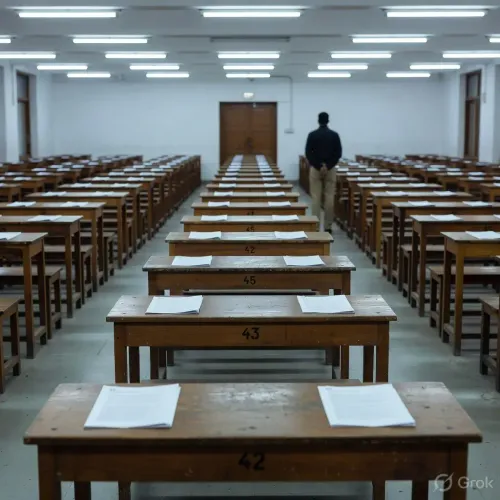
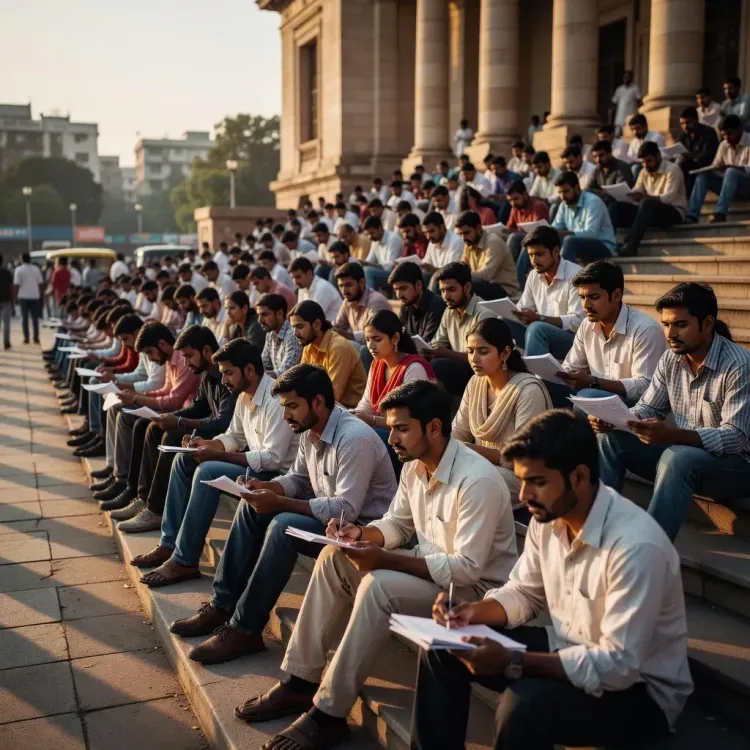
The MPSC protest movement has seen thousands of civil-services aspirants take to the streets across Mumbai and other Maharashtra cities, alleging irregularities in examinations, delays in results, and lack of transparency in the recruitment process. Students preparing for state administrative posts — from sub-divisional officers to clerks — have long accused the Commission of procedural lapses that cost them years of preparation and career opportunity.
The agitation has intensified pressure on the state government, which now faces a choice between defending an autonomous constitutional body and acknowledging the grievances of hundreds of thousands of aspirants who represent a politically significant voter bloc.
The constitutional weight of a presidential referral
The Chairman and members of the Maharashtra Public Service Commission hold constitutional positions — they can be removed only by the President of India, not by the state government acting alone. Under Article 317 of the Indian Constitution, the President can remove a PSC chairman or member on grounds of misbehaviour, but only after an inquiry by the Supreme Court of India. A state government's recommendation to the President is therefore not a routine administrative step — it is a constitutionally significant escalation that signals serious institutional accountability.
By placing this option on the table publicly, Fadnavis is doing two things at once: reassuring agitating students that no one is above scrutiny, and sending a firm message to the MPSC leadership itself.
A government under pressure to act
The timing of CM Fadnavis's statement — mid-afternoon on a Tuesday, framed as a direct reply — suggests it emerged from immediate political pressure rather than a formal cabinet deliberation. Maharashtra's large pool of competitive-exam aspirants, estimated to run into the hundreds of thousands, has historically been a decisive constituency. Any government that is seen as indifferent to their grievances risks significant electoral and reputational cost.
The ball is now squarely in the MPSC's court. If the inquiry is formally ordered and fault is established, a presidential referral would set a rare and consequential precedent for accountability in Maharashtra's public administration.
Frequently Asked Questions
What is the MPSC agitation about?
The MPSC agitation involves civil-services aspirants in Maharashtra protesting alleged irregularities, exam delays, and lack of transparency in the Maharashtra Public Service Commission's recruitment processes.
Can the Maharashtra government remove the MPSC Chairman?
No. Under Article 317 of the Indian Constitution, the Chairman of a Public Service Commission can only be removed by the President of India, typically after a Supreme Court inquiry. The state government can recommend action but cannot act unilaterally.
What did CM Fadnavis say about the MPSC inquiry?
CM Fadnavis said on 6 October 2026 that the government is ready to investigate the MPSC's functioning including its Chairman, and will recommend presidential action if any fault is found.
What is Article 317 of the Indian Constitution?
Article 317 governs the removal and suspension of a Public Service Commission member. It allows the President to remove a member on grounds of misbehaviour, but only after an inquiry by the Supreme Court of India.
Why did Fadnavis post in both Marathi and Hindi about MPSC?
CM Fadnavis used both Marathi and Hindi in his post to reach the widest possible audience of aspirants and citizens across Maharashtra, signalling the political seriousness with which the government is treating the MPSC agitation.