CM Fadnavis orders high-level panel to overhaul Maharashtra recruitment exams
Synopsis
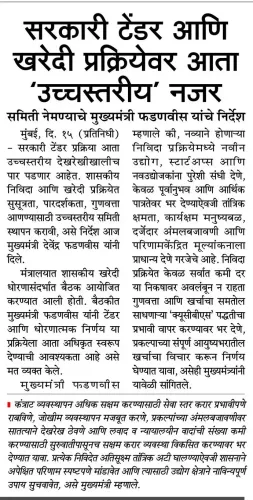
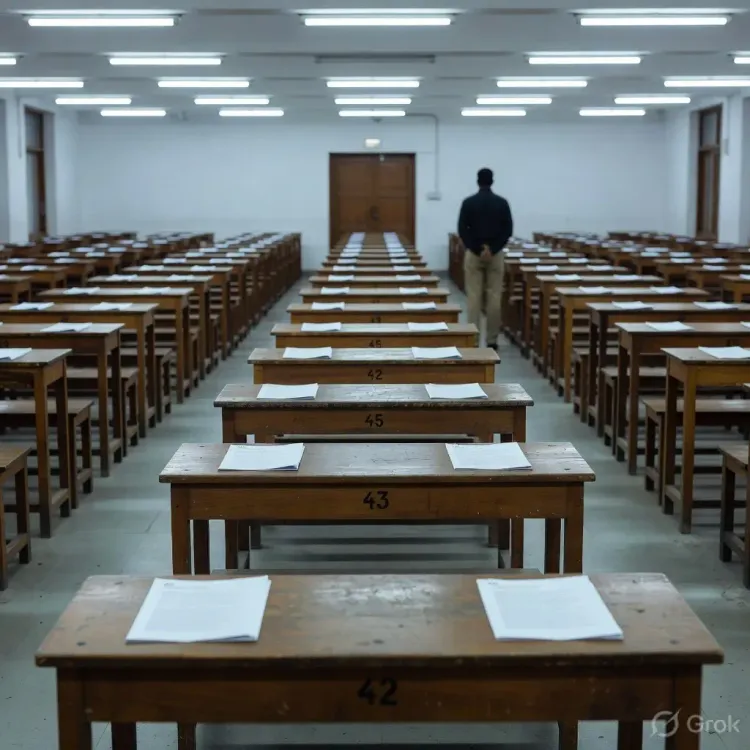
Chief Minister Devendra Fadnavis has directed the formation of a high-level panel to overhaul Maharashtra's public recruitment examination system, targeting structural vulnerabilities that have long undermined the integrity of state government job selections.
Key Takeaways
CM Devendra Fadnavis announced a high-level panel to overhaul Maharashtra's recruitment examination framework on August 13, 2026 .
The announcement was made via the official Chief Minister's Office of Maharashtra account on X.
The panel's composition, terms of reference, and reporting timeline have not yet been disclosed publicly.
Multiple Indian states have formed similar panels following paper-leak scandals and recruitment irregularities in recent years.
The Maharashtra Public Service Commission (MPSC) and related bodies have previously faced scrutiny over selection process vulnerabilities.
Government job aspirants across Maharashtra are the primary stakeholders awaiting concrete reform details.
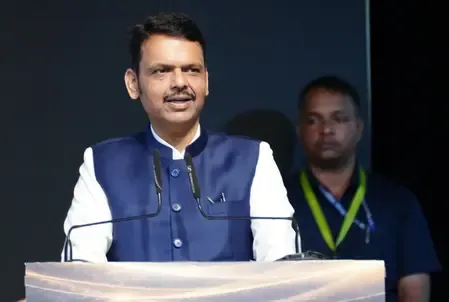
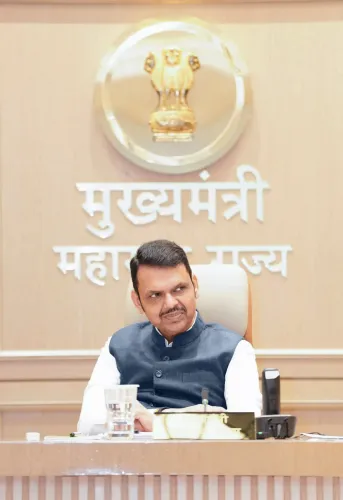
Recruitment fraud has cost thousands of Maharashtra's young aspirants years of preparation — and Chief Minister Devendra Fadnavis is now moving to fix the system at its roots. The Chief Minister's Office of Maharashtra announced on Thursday, August 13, 2026, that a high-level panel will be constituted to comprehensively overhaul the state's public recruitment examination framework.
Why Maharashtra's exam system needs surgery
The move comes against a backdrop that is disturbingly familiar across India. Multiple states have watched paper-leak scandals and irregularities hollow out the credibility of competitive exams, triggering protests, court battles, and political crises. Maharashtra is no exception — the Maharashtra Public Service Commission (MPSC) and allied recruitment bodies have faced scrutiny over selection process vulnerabilities in previous administrations as well.
For lakhs of government-job aspirants in the state, every exam cycle carries enormous personal stakes: years of coaching, financial sacrifice, and deferred livelihoods. A single compromised paper can erase all of it. The formation of a dedicated high-level panel signals that the Fadnavis government recognises the issue demands structural, not cosmetic, repair.
What the panel is expected to tackle
Fadnavis, a BJP leader now in his third stint as Chief Minister, has built his governance brand around administrative reform and zero-tolerance on corruption. The panel's precise composition, terms of reference, and reporting timeline have not yet been made public — those details will be the first real test of whether this initiative has teeth.
Observers will be watching for whether the panel addresses end-to-end vulnerabilities: question-paper printing and custody chains, digital examination infrastructure, third-party auditing of recruitment agencies, and grievance redressal timelines. The devil, in recruitment reform, is always in the process design.
A pattern playing out across Indian states
Maharashtra's move fits a wider national pattern. From Rajasthan to Uttar Pradesh to Bihar, state governments have been forced — often by street-level protests from aspirants — to set up inquiry bodies and reform commissions after high-profile exam scandals. The political cost of inaction has become steeper than the cost of reform. Whether Maharashtra's panel translates intent into enforceable change will depend on the speed and specificity of its recommendations.
For now, the signal from Mantralaya is clear: business as usual on recruitment is over. The harder question — answered only when the panel reports — is what replaces it.
Point of View
Who has positioned himself as a governance-first chief minister, the panel is also a signal to the state's vast aspirant class — a demographic that punishes perceived indifference at the ballot box. The real measure of this initiative will be the panel's mandate: a narrow technical review changes little, while a structural overhaul with statutory backing could genuinely reset Maharashtra's recruitment credibility. Until the terms of reference are public, the announcement is a strong political signal but an incomplete policy commitment.
NationPress
27 Sept 2026
Frequently Asked Questions
Why is CM Fadnavis forming a panel to overhaul recruitment exams in Maharashtra?
The panel is aimed at addressing structural vulnerabilities in Maharashtra's public recruitment examination system, including concerns about paper leaks and irregularities that have affected the credibility of government job selections in the state.
Which body conducts government recruitment exams in Maharashtra?
The Maharashtra Public Service Commission (MPSC) is the primary body responsible for conducting recruitment examinations for state government posts in Maharashtra.
What will the high-level panel on recruitment exams do?
The panel is expected to review and recommend reforms to the end-to-end recruitment examination process in Maharashtra. Its specific composition, terms of reference, and submission timeline have not yet been announced.
Is Maharashtra the only state to form such a panel?
No. Multiple Indian states including Rajasthan, Uttar Pradesh, and Bihar have formed inquiry bodies or reform commissions following recruitment exam scandals, reflecting a broader national pattern.
Who is Devendra Fadnavis?
Devendra Fadnavis is a senior BJP leader serving as Chief Minister of Maharashtra, known for multiple terms in the role with a focus on administrative reform and anti-corruption governance.