CM Fadnavis Forms High-Level Panel to Reform Maharashtra Exam System
Synopsis
Chief Minister Devendra Fadnavis has formed a high-level committee to reform Maharashtra's recruitment examination system, directed adoption of the stricter central anti-paper-leak law within 15 days, and ordered construction of at least 25,000 secure classrooms across the state.
Key Takeaways
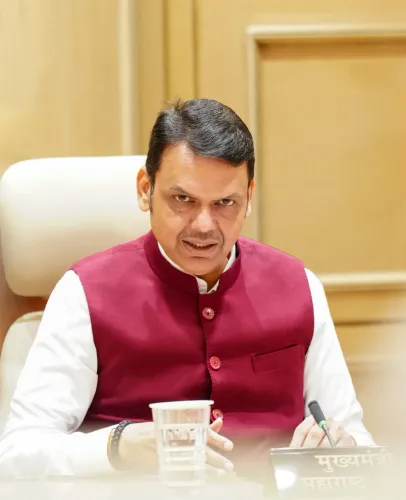
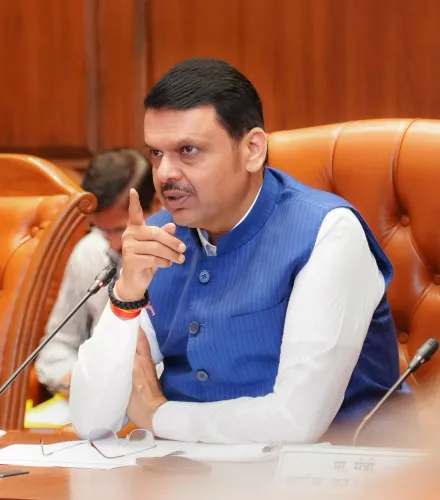
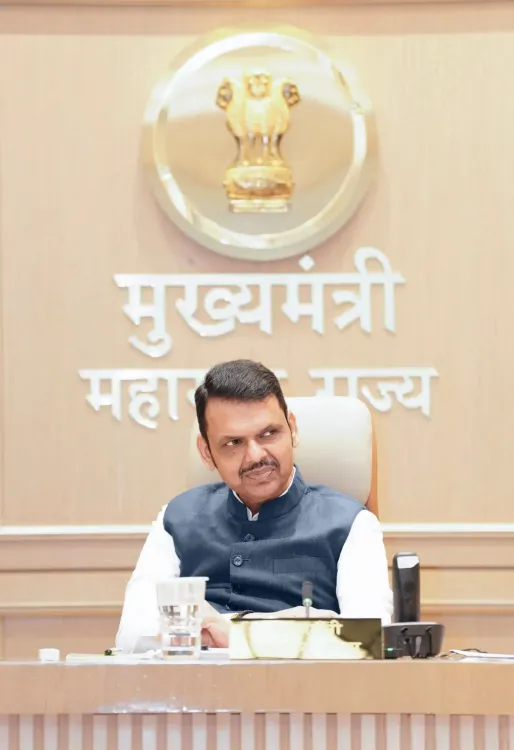
CM Devendra Fadnavis chaired a high-level meeting at Varsha, Mumbai on 12 August 2026 to reform the state's recruitment exam system.
A high-level committee will tour every revenue division of Maharashtra to consult students, institutions, and stakeholders before finalising a comprehensive state policy.
The Public Examinations (Prevention of Unfair Means) Act, 2024 — Parliament's stricter central law on paper leaks — is to be enforced in Maharashtra within 15 days .
At least 25,000 secure examination classrooms are to be established across the state.
Deputy CM Eknath Shinde and senior officials were present at the meeting.
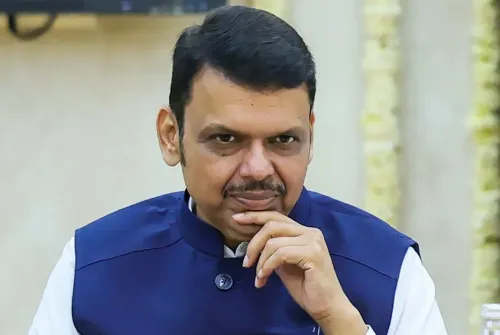
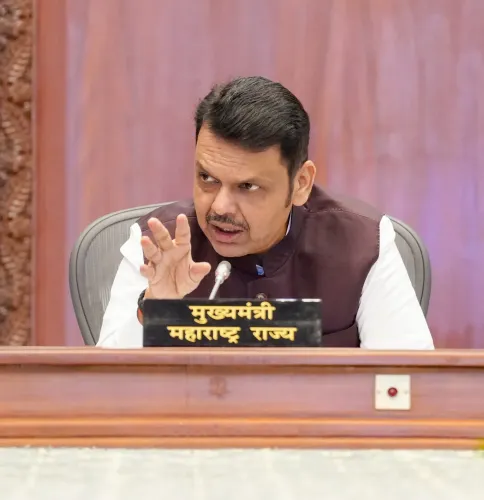
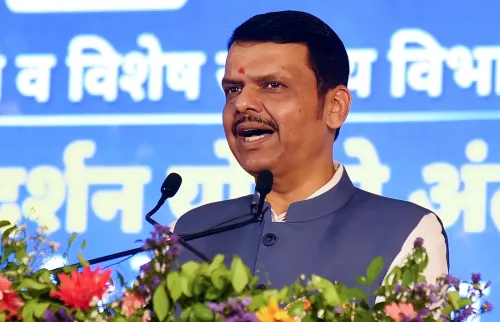
Maharashtra is overhauling how it conducts recruitment exams — and this time, the state is going to the grassroots to get it right. Chief Minister Devendra Fadnavis chaired a high-level meeting at Varsha, his official residence in Mumbai, on Wednesday, 12 August 2026, and announced the formation of a high-level committee to bring comprehensive, secure, and consensus-driven reforms to the state's public examination system.
A committee that will travel, listen, then act
The newly constituted committee will not work from a desk in Mantralaya. It will tour every revenue division of Maharashtra, holding direct consultations with students, educational institution administrators, and other stakeholders before a comprehensive state policy is finalised. The approach signals a deliberate shift from top-down rule-making to ground-up consensus — a recognition that exam reform, to stick, needs buy-in from the people it affects most.
Deputy Chief Minister Eknath Shinde was present at the meeting, alongside senior state officials.
Central law's tougher teeth to reach Maharashtra within a fortnight
The Public Examinations (Prevention of Unfair Means) Act, 2024 — Parliament's response to a wave of paper leak scandals that shook public confidence in competitive exams across India — is stricter than Maharashtra's existing standalone legislation on the same subject. Fadnavis directed that the process to enforce the central law within the state be completed within the next 15 days. The move would give Maharashtra's exam watchdog apparatus significantly sharper legal tools to prosecute malpractice.
Paper leaks have repeatedly derailed recruitment cycles across multiple Indian states over the past several years, costing lakhs of aspirants months of preparation and, in some cases, years of their careers. Maharashtra is now explicitly aligning its enforcement framework with the national standard — and accelerating the timeline to do so.
25,000 secure classrooms: building the infrastructure of integrity
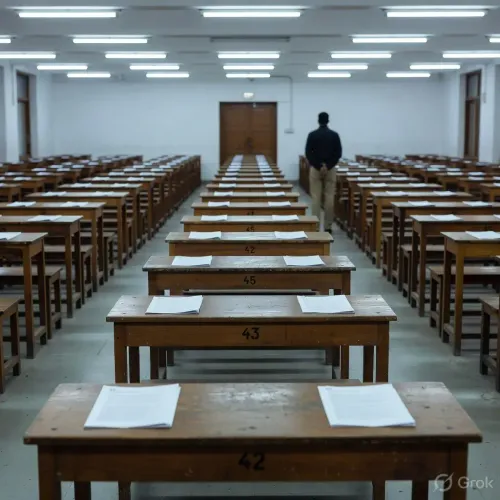
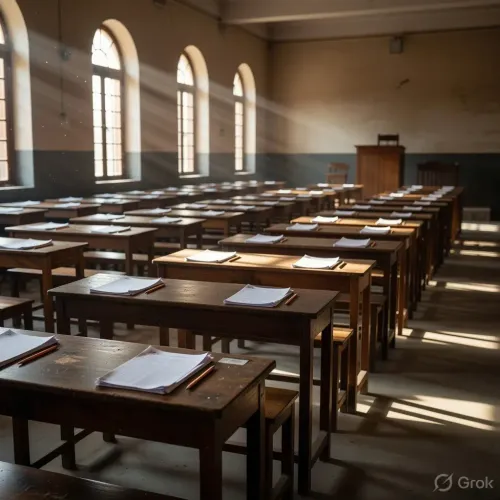
Reforms on paper mean little without the physical infrastructure to back them. Fadnavis directed that a minimum of 25,000 secure examination classrooms be set up across the state. Secure examination centres — with surveillance, controlled entry, and tamper-proof environments — are increasingly seen as a structural solution to malpractice that legal deterrents alone cannot fully address.
Together, the three directives — a consultative committee, accelerated central law adoption, and a massive classroom infrastructure push — form an interlocking reform architecture that addresses the problem at its legal, procedural, and physical roots.
For the hundreds of thousands of young Maharashtrians who sit recruitment exams each year, the question is no longer whether reform is coming — it is how fast, and how deep, it will go.
Point of View
Accelerated adoption of the central anti-paper-leak law, and a 25,000-classroom infrastructure drive — reflects a state government under pressure to restore credibility in public recruitment after repeated exam scandals. By explicitly aligning with the stricter parliamentary legislation, Fadnavis is both pre-empting political criticism and signalling deference to central standards, a posture consistent with the ruling alliance's relationship with New Delhi. The district-level consultation model is politically astute: it distributes accountability and makes reform harder to reverse. The real test will be whether the 15-day legal deadline and the classroom targets translate into verifiable, time-bound delivery.
NationPress
26 Sept 2026
Frequently Asked Questions
Why is Maharashtra forming a new committee for exam reforms?
Maharashtra has formed a high-level committee to bring comprehensive, secure, and consensus-driven reforms to its public recruitment examination system, following recurring concerns about paper leaks and malpractice. The committee will consult students and institutions across all revenue divisions before finalising a state policy.
What is the Public Examinations (Prevention of Unfair Means) Act, 2024?
It is a central law passed by the Parliament of India in 2024 to curb malpractices such as paper leaks and cheating in public and competitive examinations. CM Fadnavis has directed that this stricter law be enforced in Maharashtra within 15 days.
How many secure classrooms will Maharashtra build for exams?
CM Devendra Fadnavis has directed that a minimum of 25,000 secure examination classrooms be set up across Maharashtra to provide tamper-proof infrastructure for recruitment exams.
Who attended the exam reform meeting at Varsha on 12 August 2026?
The meeting was chaired by CM Devendra Fadnavis and was attended by Deputy CM Eknath Shinde along with other senior state officials.
Will the high-level committee hold public consultations?
Yes. The committee is mandated to travel to every revenue division of Maharashtra and hold direct discussions with students, educational institution administrators, and other stakeholders before a comprehensive exam reform policy is finalised.