Maharashtra forms high-level panel to overhaul recruitment exam process
Synopsis
With student protests over exam fraud spreading from Jharkhand to Jantar Mantar, Maharashtra has moved to get ahead of the crisis. CM Fadnavis has formed a state-wide high-level panel, ordered 25,000 secure exam classrooms, and given officials a two-week deadline to adopt Parliament's tougher anti-paper-leak law — a rare instance of a state proactively aligning with central legislation before a scandal forces its hand.
Key Takeaways
CM Devendra Fadnavis formed a high-level committee on 12 August to overhaul Maharashtra's recruitment examination process.
The panel is chaired by V.
Radha , Additional Chief Secretary, General Administration Department, and includes senior police, IT, and administrative officials.
The committee will tour every revenue division in the state to consult students and stakeholders before submitting a consolidated reform report.
CM Fadnavis directed officials to adopt Parliament's stricter anti-paper-leak law in Maharashtra within the next fortnight .
At least 25,000 secure classrooms are to be established across the state to strengthen examination infrastructure.
The decision follows protests over the NEET paper leak and alleged irregularities in JPSC and JSSC examinations in Jharkhand.
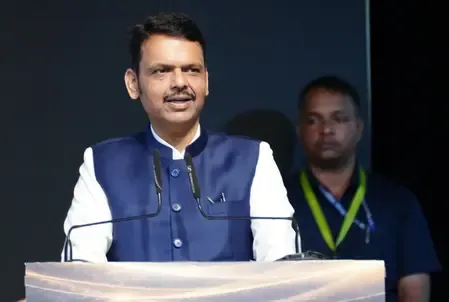
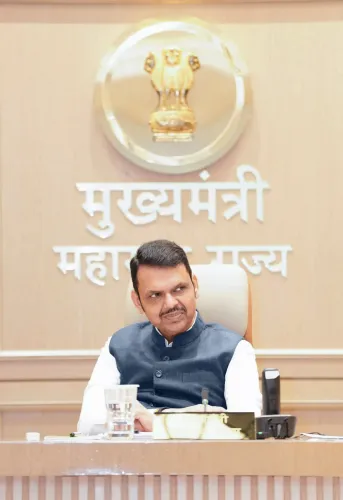
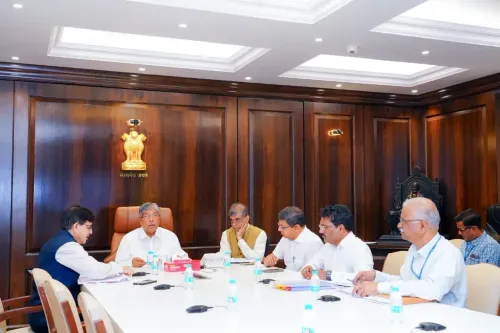
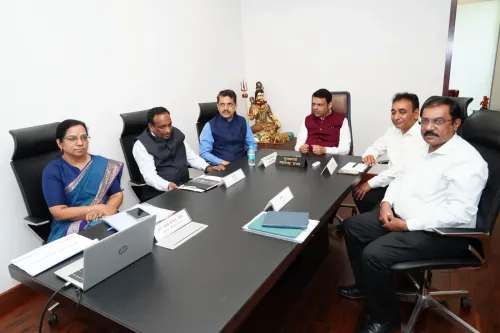
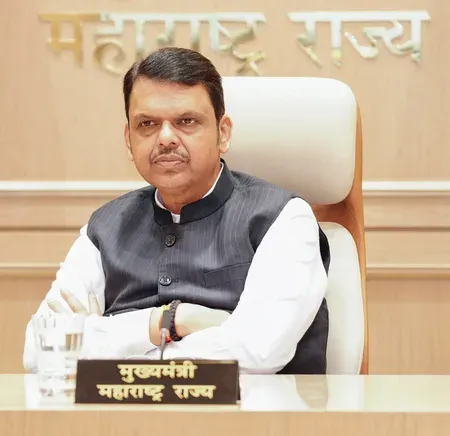
Chief Minister Devendra Fadnavis on Wednesday, 12 August directed the formation of a high-level committee to carry out comprehensive, secure, and consensus-driven reforms in Maharashtra's recruitment examination system for state services. The decision was taken at a specially convened meeting at his official residence, Varsha, and comes against the backdrop of nationwide student unrest over exam irregularities.
Committee Composition and Mandate
V. Radha, Additional Chief Secretary of the General Administration Department, will chair the panel. Its members include Director General of Police Sadanand Date, Information Technology Department Secretary Virendra Singh, Animal Husbandry Department Secretary N. Ramaswamy, and Nashik Divisional Commissioner Praveen Gedam.
The committee has been instructed to visit every revenue division across the state, hold direct consultations with students, educational administrators, and other stakeholders, and submit a consolidated report outlining systemic overhaul measures. Deputy Chief Minister Eknath Shinde, who attended the meeting, offered several key suggestions during the deliberations.
Why This Decision Was Taken Now
The move comes amid heightened public scrutiny of examination integrity across India. Recent protests at Jantar Mantar over the NEET paper leak, and ongoing student agitations in Jharkhand over alleged irregularities in the Jharkhand Public Service Commission (JPSC) and Jharkhand Staff Selection Commission (JSSC) examinations, have kept recruitment exam malpractice in the national spotlight. Maharashtra's decision signals that state governments are under pressure to act proactively rather than reactively.
Central Law and Maharashtra's Legislative Alignment
Referring to stringent legislation recently passed by Parliament to curb paper leaks and exam malpractices, CM Fadnavis acknowledged that while Maharashtra already has its own law on the subject, the central legislation is more rigorous. He directed officials to complete the process of adopting and implementing the central law within the state over the next fortnight.
Key Structural Reforms on the Table
The meeting covered a wide range of reform areas, including defining clear coordination roles for District Collectors, Police Commissioners, Superintendents of Police, and senior education officials. Discussions also examined global examination models, current operational procedures, and areas ripe for reform.
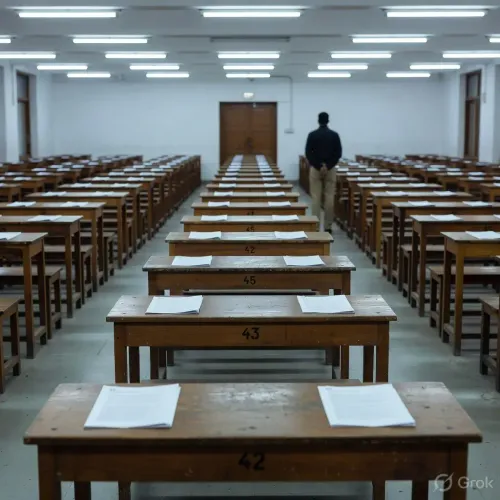
Notably, CM Fadnavis mandated the creation of at least 25,000 secure classrooms across the state — a significant infrastructure push aimed at reducing the risk of malpractice at examination centres. The inputs gathered by the committee during its divisional tours will form the foundation of a comprehensive state policy on recruitment examinations.
What Comes Next
The high-level panel is expected to begin its divisional consultations shortly, with a consolidated report to follow. The adoption of the central anti-paper-leak law is to be completed within two weeks. Maharashtra's policy response will be closely watched by other states grappling with similar examination integrity challenges.
Point of View
Not after. But committee-driven reform in Indian public administration has a mixed record: the real test will be whether the panel's recommendations are binding or advisory, and whether the 25,000 secure classrooms come with a procurement timeline and accountability mechanism. The fortnight deadline to adopt the central anti-paper-leak law is specific and verifiable — that makes it the single most meaningful commitment in this announcement, and the one that deserves the closest follow-up.
NationPress
27 Sept 2026
Frequently Asked Questions
Why did Maharashtra form a high-level committee on recruitment exam reforms?
Maharashtra Chief Minister Devendra Fadnavis formed the committee on 12 August amid nationwide protests over exam irregularities, including the NEET paper leak and student agitations over alleged malpractice in Jharkhand's JPSC and JSSC exams. The panel is tasked with recommending systemic reforms to make the state's recruitment examination process more secure and transparent.
Who heads the Maharashtra recruitment exam reform committee?
The committee is chaired by V. Radha, Additional Chief Secretary of the General Administration Department. Members include DGP Sadanand Date, IT Secretary Virendra Singh, Animal Husbandry Secretary N. Ramaswamy, and Nashik Divisional Commissioner Praveen Gedam.
What is the 25,000 secure classrooms mandate in Maharashtra?
CM Fadnavis directed the establishment of at least 25,000 secure classrooms across the state to reduce malpractice risks at examination centres. This is part of a broader infrastructure push to strengthen the physical integrity of recruitment examinations.
How does the central anti-paper-leak law affect Maharashtra?
Parliament recently passed stricter legislation to curb paper leaks and exam malpractices. While Maharashtra has its own law, CM Fadnavis acknowledged the central law is more rigorous and directed officials to complete its adoption and implementation in the state within the next fortnight.
What will the high-level committee do next?
The committee will visit every revenue division in Maharashtra to consult students, educational administrators, and other stakeholders. The inputs gathered will form the basis of a comprehensive state policy on recruitment examinations, which the panel will detail in a consolidated report submitted to the government.