Is the BJP Right in Calling Out the INDIA Bloc Over SIR 2.0?
Synopsis
As the Election Commission of India rolls out the second phase of SIR, the BJP criticizes the INDIA Bloc for sowing confusion. What does this mean for the electoral landscape? Learn more about the implications of this voter list revision and the political dynamics at play.
Key Takeaways
The SIR is essential for maintaining clean electoral rolls.
Political accusations can distract from the democratic process.
Regular updates to voter lists enhance transparency.
The BJP's stance reflects a broader concern for electoral integrity.
Engagement in constructive dialogue is crucial for progress.
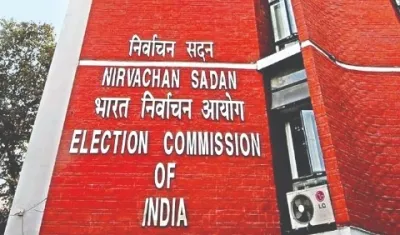
New Delhi, Oct 28 (NationPress) With the Election Commission of India (ECI) initiating the second phase of the Special Intensive Revision (SIR) of voter lists across 12 states and Union Territories, including election-focused Tamil Nadu, West Bengal, Kerala, and Puducherry, the BJP has voiced strong criticism against the INDIA Bloc. The party claims that certain individuals have developed a tendency to foster “imaginary confusion” and engage in a “criminal conspiracy” against every reform aimed at the nation’s welfare.
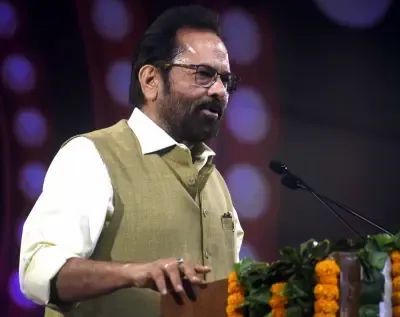
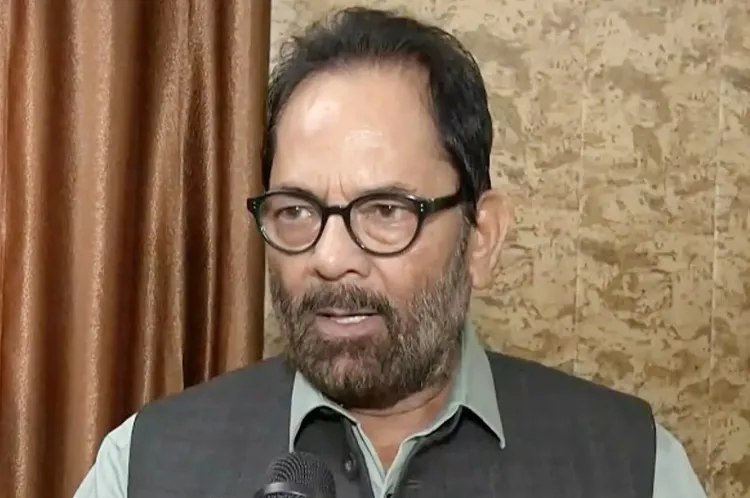
“The effort to purify voter lists should not devolve into political lynching; such actions are against the nation’s interest. Certain individuals have now made it a habit to create imaginary confusion and engage in a criminal conspiracy against every reform or initiative taken for the country’s welfare,” stated BJP leader Mukhtar Abbas Naqvi during an interview with IANS.
Naqvi emphasized that their goal is to sow confusion, instill fear, and politicize the process, but ultimately, they will reap no benefits from it. The SIR is a valid process focused on purifying voter lists, identifying illegal voters, and safeguarding legitimate ones. This is not the inaugural revision; it is a standard practice to ensure fairness and transparency in the electoral framework.
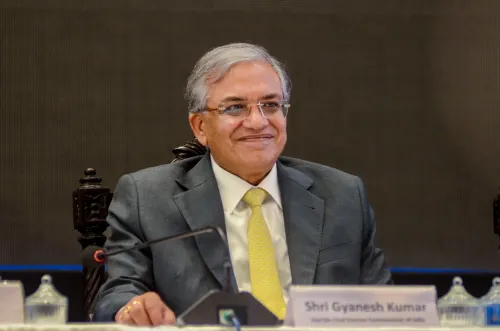
During a media briefing regarding the voter revision initiative, Chief Election Commissioner (CEC) Gyanesh Kumar expressed his congratulations to polling officials and electors for a successful SIR in Bihar. He elaborated on the process and justification for undertaking this ‘purification drive’ periodically.
The CEC noted that since the nation gained independence, the SIR has been conducted eight times, spanning from 1951 to 2004, with the most recent occurring in 2004. Political parties have consistently called for voter verification to guarantee that only valid voters partake in the electoral process.
He asserted the importance of cleansing the electoral rolls every few years due to issues such as voter duplication and the removal of names belonging to deceased individuals or those who have permanently relocated from the polling state.
Point of View
The ongoing political discourse surrounding the SIR is a critical examination of the electoral process. It is essential to prioritize transparency and integrity in voter lists, which ultimately fortifies the democratic framework of our nation. As the situation unfolds, it is vital for all parties to engage constructively rather than resort to accusations that may hinder progress.
NationPress
9 Oct 2026
Frequently Asked Questions
What is the Special Intensive Revision (SIR)?
The SIR is an initiative by the Election Commission of India aimed at purifying voter lists by identifying illegal voters and protecting legitimate ones.
Why is the BJP criticizing the INDIA Bloc?
The BJP alleges that the INDIA Bloc is creating imaginary confusion and engaging in a criminal conspiracy against electoral reforms.
How often is the SIR conducted?
The SIR has been conducted eight times since India's independence, with the last one held in 2004.
What are the benefits of purifying voter lists?
Purifying voter lists ensures that only legitimate voters participate in elections, thus enhancing the fairness and transparency of the electoral process.
What happens if voter lists are not updated?
Failure to update voter lists can lead to issues like voter duplication and the inclusion of deceased individuals, undermining the electoral process.