Balochistan attacks: BLA targets Pakistani forces across multiple districts, torches mineral convoys
Synopsis
In a single day, Baloch armed fighters struck Pakistani security forces across at least five districts — attacking convoys on the N-40 highway, torching mineral transport vehicles, blowing up a levies station and a telecom tower, and firing mortars at withdrawing troops. The BLA's declared 'economic blockade' has now reportedly seen over 200 vehicles set ablaze, marking one of the most geographically dispersed escalations in the insurgency in recent memory.
Key Takeaways
Baloch armed fighters launched coordinated attacks across multiple Balochistan districts on 27 July , killing several Pakistani security personnel.
Mineral transport vehicles were seized and torched in the Nokchah area of Chagai district as part of the BLA's declared 'economic blockade.' A military convoy on the N-40 highway near Killi Batto was attacked; a deputy commissioner's vehicle was struck, though the official reportedly escaped unhurt.
Fighters blew up the Delkona Levies station and a telecommunications tower in Pan Ghar, Harnai district , using explosives.
The BLA earlier claimed killing more than 45 security personnel in a separate Mastung district convoy attack — figures not independently verified.
More than 200 vehicles have reportedly been set ablaze across Balochistan since the BLA's economic blockade was announced, according to The Balochistan Post .
Baloch armed fighters launched a coordinated series of attacks on Pakistani security forces and installations across multiple districts of Balochistan on 27 July, leaving several personnel dead, according to local media reports citing sources. The strikes targeted convoys, levies stations, and telecommunications infrastructure in what analysts describe as an intensification of the Baloch Liberation Army's (BLA) declared 'economic blockade' of the province.
Key Developments Across Districts
In the Nokchah area of Chagai district, armed fighters opened fire on a convoy transporting minerals and subsequently seized and torched multiple vehicles. The incident is consistent with the BLA's stated strategy of disrupting resource extraction, which the group frames as economic exploitation of the region.
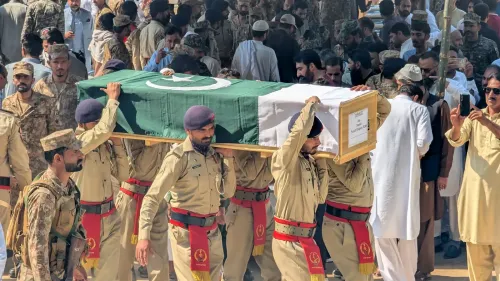
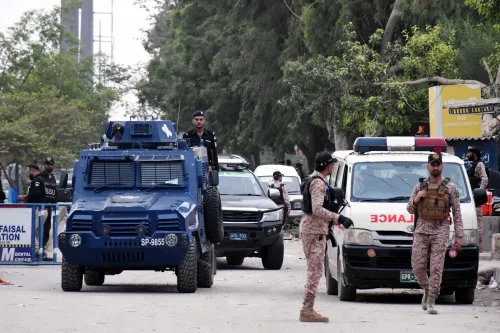
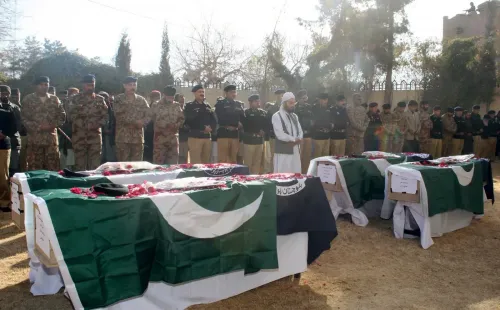
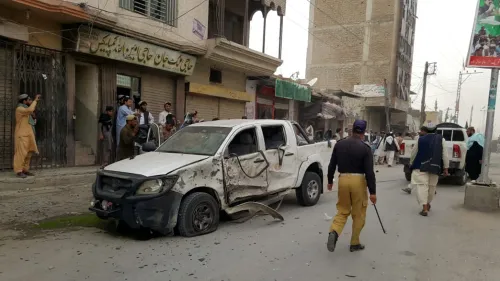
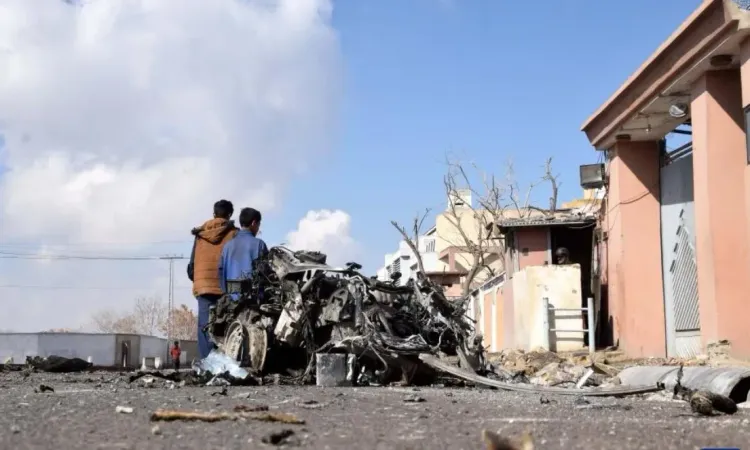
A large Pakistani military convoy travelling toward Noshki city on the N-40 highway near the Killi Batto area was also attacked. The convoy reportedly included bulletproof vehicles and police escorts. According to reports, security personnel were killed in the strike, though the exact number could not be immediately confirmed. A vehicle assigned to the deputy commissioner was struck; the official reportedly escaped unhurt.
In Harnai district, fighters blocked the highway near the Zinda Pir area, searched passing vehicles, and subsequently detonated explosives at the nearby Delkona Levies station and a telecommunications tower in Pan Ghar.
In Kohlu district's Hasri area, personnel of the Anti-Terrorist Force (ATF) came under attack, with preliminary reports indicating casualties and material losses. Separately, in Kharan district, fighters fired mortar shells at Pakistani forces during an operation in the Tazina area; the forces reportedly suffered casualties before withdrawing.
The BLA's 'Economic Blockade'
The attacks form part of a broader campaign following the BLA's announcement of an 'economic blockade' across Balochistan. Since that declaration, the group has reportedly established control over major highways in the province. According to The Balochistan Post, more than 200 vehicles have been set ablaze since the blockade began. No group has yet claimed responsibility for the specific attacks reported on 27 July, according to available reports.
Mastung Attack and BLA's Recent Escalation
The latest wave of violence follows an earlier attack this week in which the BLA claimed responsibility for striking a Pakistani military convoy in Mastung district. BLA spokesperson Jeeyand Baloch said the assault was carried out in the Khadkucha area by the group's unit, the 'Fatah Squad', describing it as 'coordinated and intense.'
According to the BLA's statement, the attack targeted buses transporting personnel of what the group called the 'occupying' Pakistani army, along with their security details and military reinforcements that arrived subsequently. The BLA claimed more than 45 security personnel were killed and dozens injured — figures that could not be independently verified.
The Noshki Pattern
The attack on the N-40 highway near Noshki is notably the second such strike in the area within days. A previous assault on a military convoy near Noshki city resulted in the confirmed deaths of three personnel and injuries to three others, underlining the BLA's sustained focus on this corridor.
What Comes Next
With the BLA's economic blockade showing no signs of easing and attacks spanning at least five districts in a single day, pressure is mounting on Islamabad to respond — both militarily and politically. The targeting of mineral transport vehicles signals a deliberate effort to disrupt Balochistan's resource economy, a flashpoint that has long underpinned the separatist grievance in the province.
Point of View
Noshki, Harnai, Kohlu, and Kharan in a single day — signals a qualitative shift in the BLA's operational reach, not just its ambition. Targeting mineral transport is deliberate: Balochistan holds the bulk of Pakistan's copper, gold, and coal reserves, and disrupting their extraction strikes at the economic rationale Islamabad uses to justify its security presence. What mainstream coverage often misses is that the 'economic blockade' framing is itself a political communication strategy — the BLA is not just fighting a military campaign but contesting the narrative that Balochistan benefits from Pakistani development. Islamabad's response will be telling: a purely kinetic answer risks deepening the alienation that fuels recruitment, while political engagement with separatist demands remains a domestic political third rail.
NationPress
25 Oct 2026
Frequently Asked Questions
What happened in Balochistan on 27 July 2025?
Baloch armed fighters launched a series of coordinated attacks on Pakistani security forces and installations across multiple districts of Balochistan on 27 July, killing several personnel and torching mineral transport vehicles. The strikes hit Chagai, Noshki, Harnai, Kohlu, and Kharan districts in a single day.
What is the BLA's economic blockade of Balochistan?
The Baloch Liberation Army (BLA) declared an 'economic blockade' of Balochistan, during which its fighters have seized control of major highways and reportedly set more than 200 vehicles ablaze, targeting resource transport in particular. The blockade is framed by the group as a challenge to what it calls economic exploitation of the province.
What was the Mastung convoy attack claimed by the BLA?
Earlier in the week, the BLA claimed responsibility for attacking a Pakistani military convoy in Mastung district's Khadkucha area, carried out by its 'Fatah Squad.' BLA spokesperson Jeeyand Baloch said more than 45 security personnel were killed and dozens injured — figures that have not been independently verified.
Was the deputy commissioner of Noshki harmed in the attack?
No. A police vehicle assigned to the deputy commissioner was struck during the attack on the military convoy near Killi Batto on the N-40 highway, but the official reportedly escaped without injury, according to available reports.
Who carried out the attacks across Balochistan on 27 July?
Local media reports attributed the attacks to Baloch armed fighters, consistent with the BLA's ongoing campaign. However, as of the time of reporting, no group had formally claimed responsibility for the specific 27 July strikes across the province.