Bombay HC slams NCB inquiry against Sameer Wankhede as 'recipe to chaos'
Synopsis
The Bombay High Court has called the NCB's inquiry against its own former officer Sameer Wankhede a 'recipe to chaos,' warning that acting on an accused's allegations against an investigating officer sets a dangerous precedent. The court has granted Wankhede interim protection while admitting the petition for final hearing — a significant check on how agencies conduct internal proceedings.
Key Takeaways
The Bombay High Court on 30 July questioned the NCB for initiating inquiries against former Zonal Director Sameer Wankhede based on allegations by an accused and anonymous complaints.
A division bench of Justice A.S.
Gadkari and Justice Kamal Khata called the NCB's approach a 'recipe to chaos' that would demoralise honest officers.
The court warned the move sets a 'dangerous and undesirable precedent' enabling accused persons to target investigating officers.
The Bombay High Court admitted the writ petition for final hearing and granted interim relief to Wankhede, protecting him pending adjudication.
Wankhede had led the 2 October 2021 operation that resulted in the arrest of Aryan Khan and 19 others under the NDPS Act, 1985 .
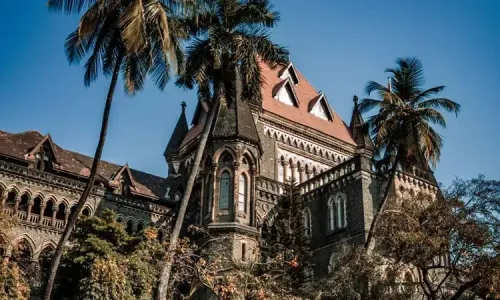
The Bombay High Court on Thursday, 30 July sharply questioned the Narcotics Control Bureau (NCB) for initiating multiple inquiries against its former Zonal Director Sameer Wankhede solely on the basis of allegations by an accused and anonymous complaints, calling the approach a 'recipe to chaos' in criminal justice administration. The court's remarks came during the hearing of a writ petition filed by Wankhede seeking the quashing of preliminary enquiry notices issued against him.
What the Court Said
A division bench comprising Justice A.S. Gadkari and Justice Kamal Khata expressed serious concern over the manner in which the NCB had proceeded against Wankhede, warning that such conduct would demoralise honest officers. The bench observed that permitting accused persons to make allegations against investigating officers — and having those allegations readily acted upon — would create chaos in the criminal justice system, according to a lawyer from Wankhede's legal team.
The court further remarked that such a course of action would set a 'dangerous and undesirable precedent,' enabling accused individuals to target officers simply because those officers had discharged their statutory duties.
Key Questions Posed to the NCB
The bench pressed the NCB on a pointed question: whether the accused had raised allegations against Wankhede at the time of his initial arrest or during the investigation itself. The court asked why such allegations surfaced only at a later stage and sought an explanation for why the department entertained them so belatedly. No satisfactory answer was reported during the hearing.
Interim Relief Granted to Wankhede
The Bombay High Court admitted the writ petition for final hearing and granted interim relief in favour of Sameer Wankhede, thereby protecting him from the inquiry proceedings pending final adjudication. Wankhede has consistently maintained that the proceedings against him are arbitrary, malafide, legally unsustainable, and constitute an abuse of the administrative process, according to his legal counsel.
Background: The Aryan Khan Case
Wankhede is no stranger to controversy. On 2 October 2021, he led a search and seizure operation aboard a cruise ship operated by Cordelia Cruises, during which Aryan Khan — son of actor Shah Rukh Khan — was arrested along with 19 others for alleged offences under the Narcotic Drugs and Psychotropic Substances (NDPS) Act, 1985. The case drew intense national attention and triggered a prolonged legal and political controversy surrounding the NCB's conduct.
What Happens Next
With the Bombay High Court admitting the petition for final hearing and the interim order protecting Wankhede in place, the NCB will now be required to respond formally to the court's queries. The case is expected to have broader implications for how investigative agencies handle internal disciplinary proceedings against officers who become targets of complaints from accused persons.
Point of View
They hand a tactical weapon to well-resourced defendants. The Wankhede case, rooted in the politically charged Aryan Khan arrest, illustrates how high-profile investigations can become arenas for institutional pressure. The court's interim protection and its sharp questioning of why allegations emerged only after the investigation suggest the judiciary is alert to this dynamic — but the systemic fix requires agencies like the NCB to codify clearer thresholds before initiating internal proceedings.
NationPress
14 Sept 2026
Frequently Asked Questions
Why did the Bombay High Court criticise the NCB over Sameer Wankhede?
The Bombay High Court criticised the NCB for initiating multiple inquiries against former Zonal Director Sameer Wankhede solely on the basis of allegations by an accused person and anonymous complaints. The court said this approach was a 'recipe to chaos' that would demoralise honest officers and set a dangerous precedent.
What interim relief did the Bombay High Court grant Sameer Wankhede?
The court admitted Wankhede's writ petition for final hearing and granted him interim relief, protecting him from the NCB's inquiry proceedings until the petition is finally adjudicated.
What is Sameer Wankhede's connection to the Aryan Khan case?
Wankhede, as the NCB's Zonal Director, led the search and seizure operation on 2 October 2021 aboard a Cordelia Cruises ship, during which Aryan Khan — son of Shah Rukh Khan — was arrested along with 19 others under the NDPS Act, 1985. The case became one of the most high-profile drug-related arrests in recent Indian legal history.
What question did the Bombay High Court pose to the NCB during the hearing?
The bench asked the NCB whether the accused had raised allegations against Wankhede at the time of the initial arrest or during the investigation, and why those allegations surfaced only at a later stage. The court sought an explanation for why the department entertained such delayed complaints.
What are the broader implications of this case for investigating officers in India?
The case could influence how investigative agencies handle internal disciplinary proceedings triggered by complaints from accused persons. The court's observations suggest that acting on such complaints without scrutinising their timing or motivation could be deemed an abuse of administrative process, potentially prompting agencies to set higher evidentiary thresholds before initiating inquiries.