What Did Brazilian and Spanish Leaders Discuss About the Mercosur-EU Deal and Venezuela?
Synopsis
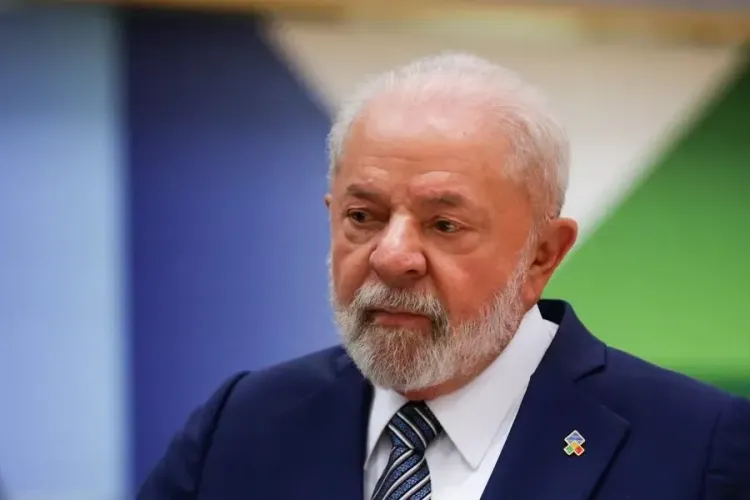
In a significant conversation, Brazilian President Lula and Spanish Prime Minister Sanchez addressed critical topics including the Mercosur-EU agreement and the troubling situation in Venezuela. Their dialogue underscores the importance of multilateralism and the need for international cooperation amid current tensions.
Key Takeaways
Dialogue on Mercosur-EU agreement highlights multilateral trade efforts.
Venezuela Situation remains critical as leaders discuss cooperation.
Brazil sent medical supplies to assist Venezuela.
Joint statement opposes force in international relations .
Forum on combating extremism planned for Spain.
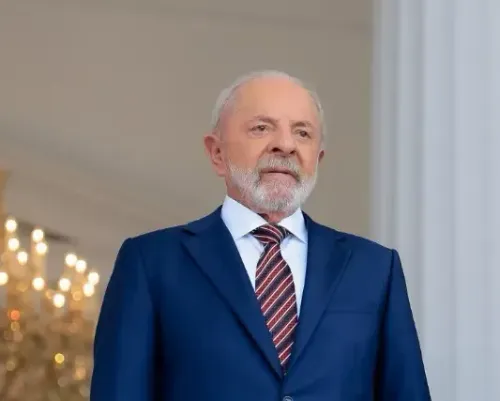
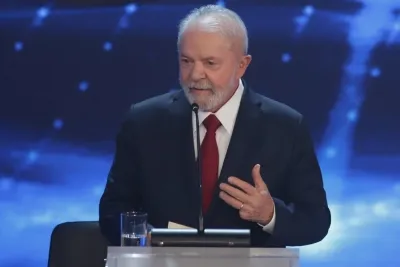
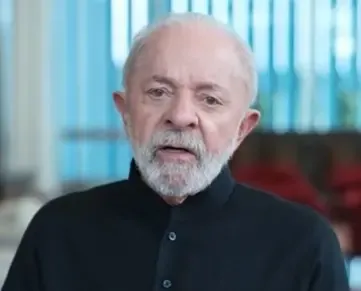
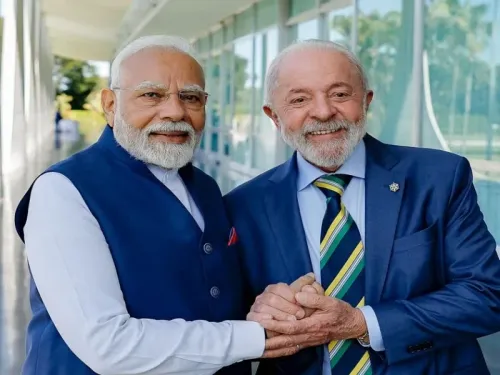
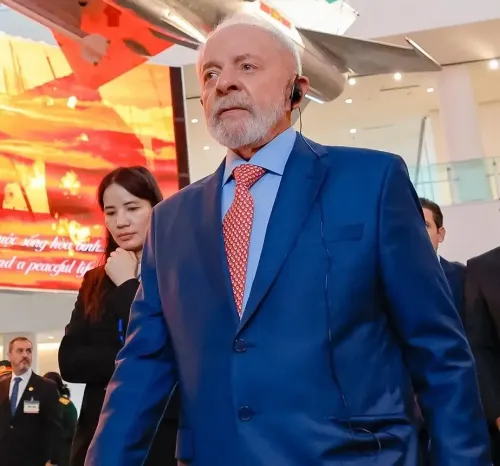
Brasilia, Jan 10 (NationPress) Brazilian President Luiz Inacio Lula da Silva and Spanish Prime Minister Pedro Sanchez held a discussion regarding the Mercosur-EU free trade agreement and the situation in Venezuela, as reported by Brazil's presidential office.
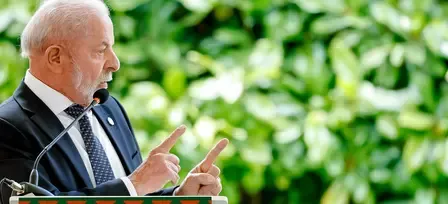
During their phone call on Friday (local time), Lula expressed gratitude to the Spanish government for its support of the agreement, deeming the deal "a very positive signal in defense of multilateralism and stable, predictable trade regulations."
Concerning Venezuela, both leaders emphasized a joint statement made with Chile, Colombia, Mexico, and Uruguay, which condemns any attempts to divide the world into spheres of influence and stands against the use of force in international matters without UN Charter approval, as per Xinhua news agency.
They also applauded the announcement from Jorge Rodriguez, President of the Venezuelan National Assembly, regarding the release of Venezuelan and foreign detainees, including four Spanish nationals.
Lula verified that Brazil dispatched 40 tons of dialysis supplies and medications on Friday to replenish stocks at a distribution center that was damaged by US bombings on January 3.
The two leaders concurred on the necessity of organizing a new edition of the forum titled "In Defense of Democracy: Combating Extremism" in Spain in the upcoming months.
Additionally, Delcy Rodriguez, Venezuela's acting President, engaged in phone discussions with Brazilian President Lula, Colombian President Gustavo Petro, and Spanish Prime Minister Sanchez.
On her Telegram channel, Rodriguez noted that the leaders agreed on the significance of advancing a cooperation agenda, amid what she termed "the grave criminal, illegal, and illegitimate aggression" against Venezuela.
Rodriguez informed the leaders about the US armed attacks against Venezuela, which resulted in civilian and military casualties.
"We concur on the necessity to move forward with a broad bilateral cooperation agenda, founded on respect for international law, state sovereignty, and dialogue among peoples," Rodriguez asserted.
Point of View
I believe that the dialogue between Brazil and Spain highlights the necessity for international unity and cooperation, especially in light of the challenges posed by geopolitical tensions. The focus on the Mercosur-EU agreement and the situation in Venezuela is crucial, as it indicates a proactive approach to maintaining stability in the region.
NationPress
20 Sept 2026
Frequently Asked Questions
What was discussed between the Brazilian and Spanish leaders?
They discussed the Mercosur-EU free trade agreement and the situation in Venezuela .
What supplies did Brazil send to Venezuela?
Brazil sent 40 tons of dialysis supplies and medications to support Venezuela's medical needs.
What was the significance of the joint statement issued?
The joint statement emphasized rejecting divisions into spheres of influence and opposing the use of force in international relations without UN approval.
Who else was involved in the discussions regarding Venezuela?
Venezuela's acting President Delcy Rodriguez also held talks with the Brazilian and Colombian leaders.
What actions were agreed upon to advance cooperation?
The leaders agreed on the importance of advancing a cooperation agenda and organizing a forum titled "In Defense of Democracy: Combating Extremism."