Calcutta HC questions Abhishek Banerjee's refusal to give voice samples
Synopsis
The Calcutta High Court declined to urgently hear Abhishek Banerjee's petition against a district court order directing him to provide voice samples — and questioned why the TMC MP was resisting cooperation despite already holding court-granted protection from arrest. With the next hearing set for 10 July, the case puts a spotlight on the conditions attached to his interim relief.
Key Takeaways
Calcutta High Court on 7 July declined to grant an urgent hearing on Abhishek Banerjee's petition challenging a voice sample order.
Justice Sougata Bhattacharya questioned Banerjee's reluctance to cooperate, noting he already has interim protection from arrest until 31 July .
The case relates to an alleged hate speech at a campaign rally where Banerjee reportedly made violence-inciting remarks and allegedly threatened Home Minister Amit Shah .
The court rejected the argument that voice samples were unnecessary because Banerjee had acknowledged the voice in the video as his own.
The Bidhannagar Court in North 24 Parganas had directed Banerjee to furnish samples before a judicial magistrate and forensic experts.
The next hearing on the petition is scheduled for 10 July .
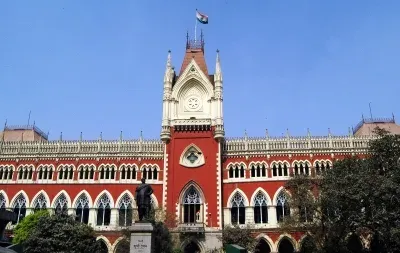
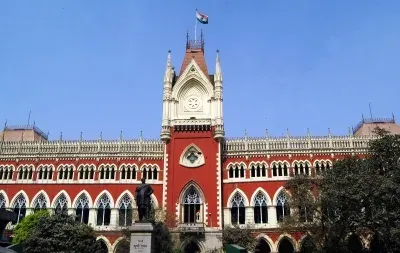
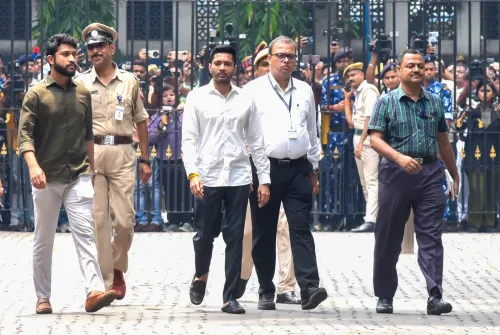
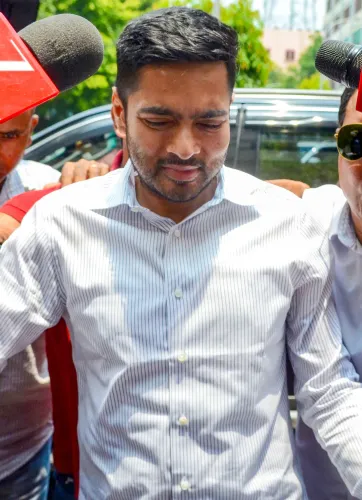
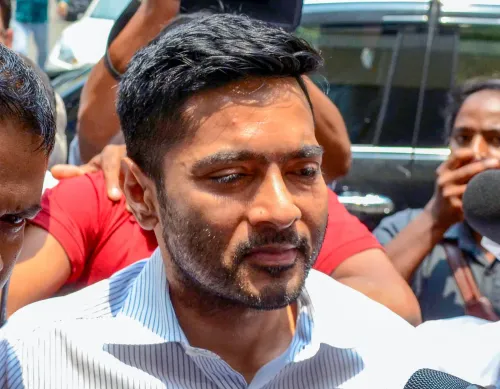
The Calcutta High Court on Tuesday, 7 July questioned why Trinamool Congress (TMC) national general secretary and Diamond Harbour MP Abhishek Banerjee was reluctant to provide voice samples to investigators, and declined to grant an urgent hearing on his petition challenging a district court order directing him to do so. The development marks a significant escalation of legal pressure on Banerjee in connection with a Criminal Investigation Department (CID) probe into an alleged hate speech case tied to the recent West Bengal Assembly elections.
Background: The Alleged Hate Speech Case
The case stems from a campaign rally where Banerjee was accused of making violence-inciting remarks and allegedly threatening Union Home Minister Amit Shah. The CID, which is investigating the matter, sought his voice samples to verify the authenticity of speech captured in video evidence. The Bidhannagar Court in North 24 Parganas district had earlier directed Banerjee to furnish the samples before a judicial magistrate and forensic experts, with his appearance scheduled for Wednesday, 8 July.
What Happened in Court
Seeking relief ahead of that appearance, Banerjee's counsel moved the single-judge bench of Justice Sougata Bhattacharya for an urgent hearing. The court declined. Justice Bhattacharya orally observed that since Banerjee already enjoyed interim protection from coercive police action — including arrest — granted by the Calcutta High Court until 31 July, there was no compelling reason for him to withhold cooperation from investigators.
The court also rejected the argument that voice samples were unnecessary because Banerjee had already acknowledged the voice in the campaign video as his own. The bench noted that forensic verification serves a distinct evidentiary purpose and cannot be substituted by an admission alone.
State Government's Position
Opposing the petition, the state government argued that Banerjee's refusal to provide voice samples amounted to a lack of cooperation with the investigation. The state's counsel contended that forensic examination was essential to establish the authenticity of the recorded speech and complete the probe. The prosecution further reminded the court that one of the primary conditions attached to the interim protection was that the TMC MP must fully cooperate with the investigating agency — and that furnishing voice samples formed a critical part of that obligation.
Next Steps
Justice Bhattacharya fixed 10 July as the next date for hearing Banerjee's petition challenging the district court's order. Notably, this is not the first time Banerjee has faced judicial scrutiny over his cooperation with the CID probe; the court's interim protection itself came with strings attached. How he responds ahead of the 10 July hearing — and whether he ultimately complies with the Bidhannagar Court's direction — is expected to shape the trajectory of the case significantly.
Point of View
This case tests whether interim relief from arrest can be used to slow-walk a probe — a pattern that, if allowed, would hollow out the very conditions courts attach to such protection. The 10 July hearing will be closely watched.
NationPress
6 Oct 2026
Frequently Asked Questions
Why is Abhishek Banerjee being asked to provide voice samples?
The CID is investigating an alleged hate speech case in which Banerjee was accused of making violence-inciting remarks and allegedly threatening Home Minister Amit Shah at a campaign rally during the West Bengal Assembly elections. Voice samples are sought to forensically verify the authenticity of speech captured in video evidence.
What did the Calcutta High Court say on 7 July?
Justice Sougata Bhattacharya declined to grant an urgent hearing on Banerjee's petition and orally observed that, since he already enjoys interim protection from arrest, he should cooperate with investigators and provide voice samples without further delay. The next hearing was fixed for 10 July.
Does Abhishek Banerjee have protection from arrest?
Yes. The Calcutta High Court had earlier granted Banerjee interim protection from coercive police action, including arrest, until 31 July. However, the court has noted that full cooperation with the CID is one of the conditions attached to that protection.
Why did the court reject the argument that voice samples were unnecessary?
Banerjee's counsel argued that samples were not needed because he had already acknowledged the voice in the video as his own. The court rejected this, holding that forensic examination serves a distinct evidentiary purpose that cannot be replaced by an admission alone.
What happens next in the case?
The Calcutta High Court has scheduled 10 July as the next date to hear Banerjee's petition challenging the Bidhannagar Court's order. His compliance — or continued refusal — ahead of that date is expected to be a key factor in how the case proceeds.