UP: CBI court sentences 2 ex-bank officials for farmer loan bribes

Synopsis
Two former bank officials in Uttar Pradesh have been convicted and sentenced to rigorous imprisonment — up to five years — for demanding bribes from farmers applying for Kisan Credit Card loans. The CBI caught both red-handed in separate trap operations, and the verdicts, years in the making, highlight how agricultural credit schemes remain vulnerable to last-mile corruption.
Key Takeaways
Special CBI Anti-Corruption Courts in Lucknow sentenced three convicts on 25 August in two separate farmer loan bribery cases.
Rakesh Chandra Thakur , ex-Branch Manager of Baroda UP Gramin Bank , received 5 years rigorous imprisonment and a fine of ₹25,000 for demanding ₹6,000 to disburse a ₹4.25 lakh KCC loan .
Ravi Kumar Gupta , ex-Assistant Manager of Purvanchal Bank , and accomplice Indrajeet Singh each received 4 years rigorous imprisonment and a fine of ₹40,000 for accepting ₹10,000 to process a KCC loan.
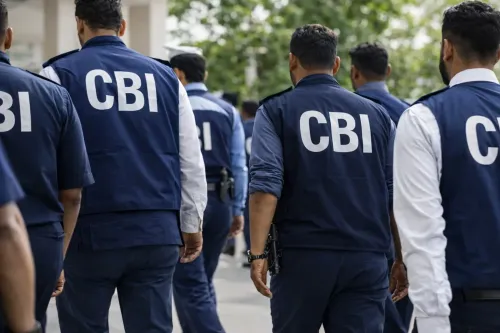
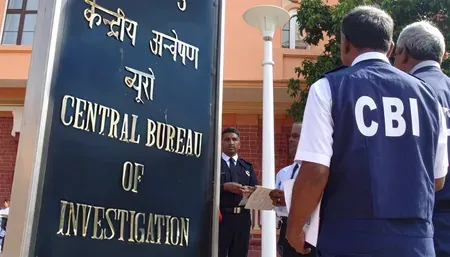
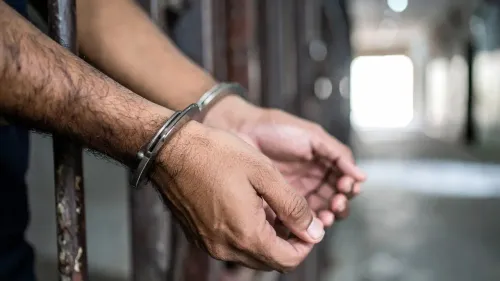
Both cases involved CBI trap operations that caught the accused red-handed.
The cases were registered in 2016 and 2018 respectively, highlighting the lengthy timeline of anti-corruption trials in India.
Special CBI Anti-Corruption Courts in Lucknow on Tuesday, 25 August sentenced three convicts — including two former bank officials — in two separate bribery cases linked to Kisan Credit Card (KCC) farmer loans. The sentences range up to five years of rigorous imprisonment, with fines totalling up to ₹40,000 per convict.
Case 1: Baroda UP Gramin Bank Branch Manager
The first case was registered by the Central Bureau of Investigation (CBI) on 12 March 2018 against Rakesh Chandra Thakur, the then Branch Manager of Baroda UP Gramin Bank's Hariharpur Branch in Sultanpur. A complainant alleged that Thakur demanded an illegal gratification of ₹6,000 in exchange for disbursing the first instalment of a KCC loan of ₹4.25 lakh.
CBI operatives laid a trap and caught Thakur red-handed while accepting the bribe. A charge sheet was filed on 10 May 2018, and charges were formally framed on 21 December 2020. On Tuesday, the Special CBI Judge sentenced Thakur to five years of rigorous imprisonment along with a fine of ₹25,000.
Case 2: Purvanchal Bank Assistant Manager and Accomplice
The second case dates to 11 August 2016, when the CBI registered a complaint against Ravi Kumar Gupta, the then Assistant Manager of Purvanchal Bank's Partawal Bazar Branch in Maharajganj. The complainant alleged that Gupta demanded ₹15,000 to process his KCC loan application.
Gupta accepted ₹10,000 through a private intermediary, Indrajeet Singh alias Babu Saheb. Both were caught red-handed by the CBI. The Special CBI Judge on Tuesday sentenced both Gupta and Indrajeet to four years of rigorous imprisonment each, with a fine of ₹40,000 each.
Why These Convictions Matter
Both cases expose a pattern of corruption at the last mile of agricultural credit delivery — where farmers, often with limited financial literacy, are most vulnerable to extortion by the very officials meant to serve them. Kisan Credit Card loans are a flagship government scheme designed to give farmers quick, low-cost access to credit; bribery at this stage directly undermines rural welfare policy.
Notably, the CBI's use of trap operations in both cases resulted in red-handed arrests, leaving little room for the accused to dispute the charges. The convictions come years after the original arrests — underscoring the slow pace of anti-corruption trials in India, even where evidence is strong.
What Happens Next
The convicted officials are expected to serve their sentences at a designated facility. Both cases are now closed at the trial court level, though the convicts retain the right to appeal before a higher court. The CBI has not indicated whether further investigations into systemic lapses at either bank are underway.
Point of View
Yet both cases show that gatekeepers at branch level can extract rent with near-impunity — until a CBI trap intervenes. The years-long gap between arrest and conviction (2016 to 2025 in one case) is itself a policy failure: delayed justice reduces deterrence. If the government is serious about protecting farmers from last-mile corruption, it needs faster trial timelines and proactive vigilance audits at rural bank branches, not just reactive CBI operations.
NationPress
10 Oct 2026
Frequently Asked Questions
What did the CBI courts in Lucknow decide on 25 August?
Special CBI Anti-Corruption Courts in Lucknow sentenced three convicts — two former bank officials and one private individual — to rigorous imprisonment of up to five years for demanding and accepting bribes from farmers seeking Kisan Credit Card loans in Uttar Pradesh.
Who is Rakesh Chandra Thakur and what was his sentence?
Rakesh Chandra Thakur was the Branch Manager of Baroda UP Gramin Bank's Hariharpur Branch in Sultanpur. He was sentenced to five years of rigorous imprisonment and fined ₹25,000 for demanding ₹6,000 from a farmer to disburse a ₹4.25 lakh KCC loan.
Who is Ravi Kumar Gupta and what was his sentence?
Ravi Kumar Gupta was the Assistant Manager of Purvanchal Bank's Partawal Bazar Branch in Maharajganj. He was sentenced to four years of rigorous imprisonment and fined ₹40,000 for accepting ₹10,000 through an intermediary to process a KCC loan application.
What is a Kisan Credit Card loan and why does it matter here?
A Kisan Credit Card (KCC) loan is a government-backed short-term credit facility designed to give farmers quick access to funds for agricultural needs. These cases are significant because bribery at this stage directly harms the farmers the scheme is meant to protect.
Can the convicted officials appeal the verdict?
Yes, the convictions are at the trial court level, and all three convicts retain the right to appeal before a higher court. No announcement of an appeal had been made at the time of the verdict.