CBI court jails ex-railway official 4 years for ₹20,000 bribe in 2016 case
Synopsis
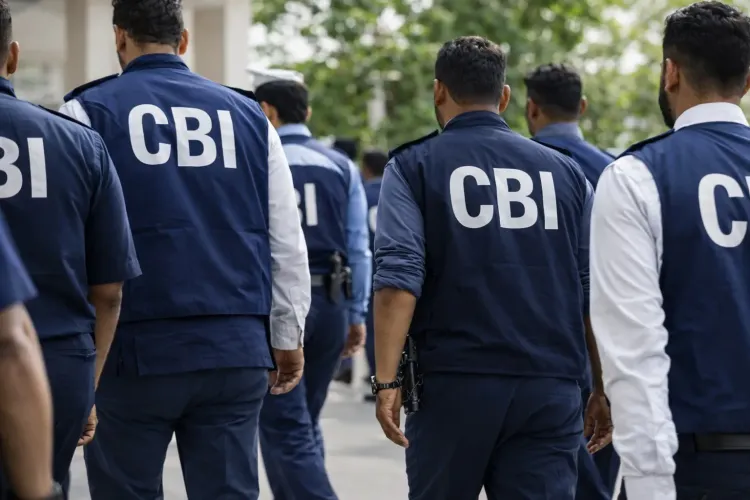
Two CBI courts delivered bribery convictions on consecutive days — one in Lucknow jailing a former North Central Railway engineer for four years, another in Kurnool sentencing a former Kadapa Airport director for three years. Both cases, registered nearly a decade ago, were cracked through trap operations where officials were caught red-handed accepting cash.
Key Takeaways
A Special CBI Court in Lucknow sentenced Girijesh Kumar Gaur , former ADSTE, North Central Railway , to 4 years rigorous imprisonment and a ₹20,000 fine on Tuesday .
Gaur was caught red-handed on 27 May 2016 accepting ₹9,700 at his residence; the CBI had registered the case on 5 May 2016 .
He had allegedly demanded ₹20,000 in two instalments to pass contractor bills worth ₹80,000 .
In a separate case, a Special CBI Court in Kurnool sentenced Mukundagiri Rangachari Srinivasan , former Officiating Airport Director of Kadapa Airport , to 3 years rigorous imprisonment and a ₹50,000 fine.
The Kadapa case was registered on 24 July 2015 ; Srinivasan had allegedly demanded ₹50,000 to clear pending bills and avoid blacklisting a contractor's firm.
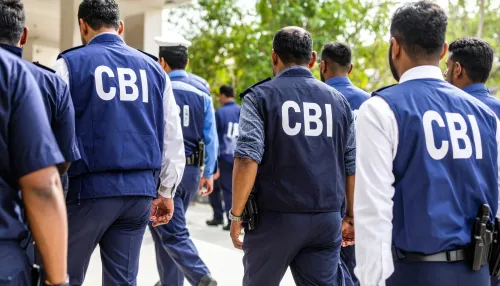
A Special CBI Court in Lucknow on Tuesday sentenced a former railway official to four years of rigorous imprisonment and a fine of ₹20,000 in a bribery case registered in 2016. The verdict closes a nearly decade-long prosecution that began when the accused was caught red-handed accepting illegal gratification at his own residence.
Who Was Convicted and What He Did
Girijesh Kumar Gaur, who served as Assistant Divisional Signal and Telecommunication Engineer (ADSTE) with North Central Railway in Banda, Uttar Pradesh, was convicted under India's anti-corruption law. According to the CBI, Gaur demanded a bribe of ₹20,000 from a contractor in exchange for passing and sanctioning the contractor's bills worth ₹80,000 — bills related to a vehicle engaged under contract with his office.
Gaur allegedly structured the demand in two instalments: ₹10,000 before the bills were sanctioned and a further ₹10,000 after sanction. The complainant approached the CBI, which registered the case on 5 May 2016.
The Trap and Arrest
The CBI laid a trap on 27 May 2016 and caught Gaur red-handed at his residence while he was demanding and accepting ₹9,700 — against the alleged demand of ₹10,000 — as illegal gratification. A charge sheet was filed on 24 June 2016, and the Special Court convicted and sentenced him following the completion of trial.
A Parallel Verdict in Andhra Pradesh
In a separate case decided a day earlier, a Special CBI Court in Kurnool, Andhra Pradesh, sentenced a former airport official to three years of rigorous imprisonment and a fine of ₹50,000 in a nine-year-old bribery matter.
Mukundagiri Rangachari Srinivasan, who served as Assistant General Manager (Air Traffic Management) and Officiating Airport Director at Kadapa Airport, was found guilty of demanding ₹50,000 from a contractor. According to the CBI, he abused his official position to demand the bribe for expediting pending bills and for refraining from initiating blacklisting proceedings against the complainant's firm. The CBI had registered that case on 24 July 2015.
Pattern of CBI Anti-Corruption Action
Both convictions reflect the CBI's sustained use of trap operations — where officials are caught accepting bribes in controlled conditions — as its primary tool against public-servant corruption. Notably, both cases took nearly a decade from registration to sentencing, underscoring the pace of special court proceedings even in cases with strong forensic evidence. The courts' decisions to impose rigorous imprisonment in both instances signal a firm judicial stance on bribery by public servants.
Point of View
Slow on timelines. Nearly a decade from registration to sentencing is not exceptional for India's special courts, but it is a systemic problem: delayed justice reduces deterrence even when conviction eventually follows. The Lucknow case also raises a structural question — a contractor compelled to pay a bribe just to get legitimate bills cleared is a symptom of procurement-level accountability gaps that a single conviction does not fix.
NationPress
19 Sept 2026
Frequently Asked Questions
Who is Girijesh Kumar Gaur and why was he sentenced?
Girijesh Kumar Gaur was the Assistant Divisional Signal and Telecommunication Engineer (ADSTE) with North Central Railway in Banda, Uttar Pradesh. He was sentenced to four years of rigorous imprisonment and a ₹20,000 fine by a Special CBI Court in Lucknow for demanding and accepting a bribe to pass a contractor's bills worth ₹80,000.
How did the CBI catch Girijesh Kumar Gaur?
The CBI laid a trap on 27 May 2016 and caught Gaur red-handed at his residence while he was accepting ₹9,700 as illegal gratification. The case was registered on 5 May 2016 following a complaint from the contractor whose bills were being withheld.
What was the Kadapa Airport bribery case about?
Mukundagiri Rangachari Srinivasan, then Officiating Airport Director of Kadapa Airport, was convicted of demanding ₹50,000 from a contractor to expedite pending bills and to avoid initiating blacklisting of the contractor's firm. The CBI registered the case on 24 July 2015, and a Special CBI Court in Kurnool sentenced him to three years of rigorous imprisonment.
How long did these cases take from registration to conviction?
The Lucknow case took approximately nine years — from registration in May 2016 to sentencing in 2025. The Kurnool case took roughly a decade, registered in July 2015 and concluded in 2025. Both are illustrative of the extended timelines in special court proceedings even in trap-operation cases.
What law was used to convict both officials?
Both officials were convicted under India's anti-corruption law — the Prevention of Corruption Act — which governs bribery and abuse of official position by public servants.